







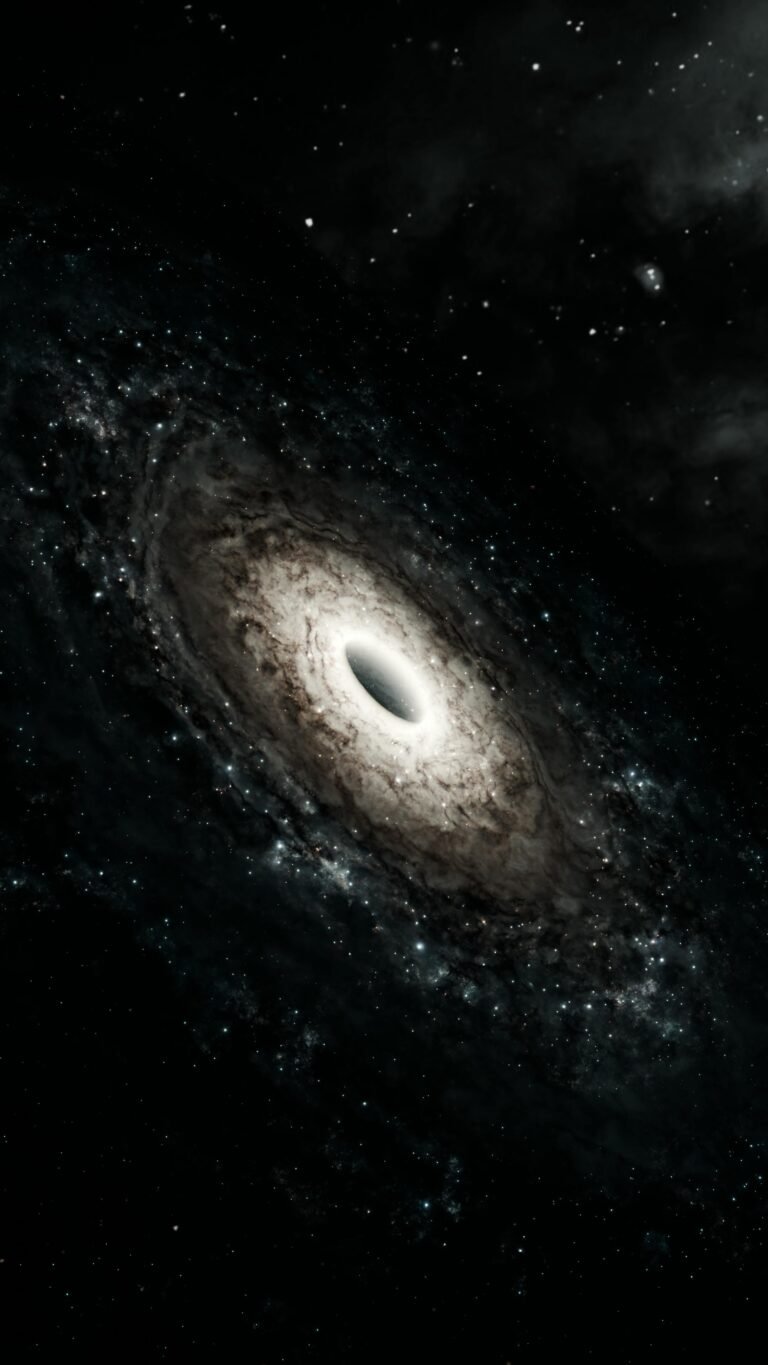



Large-Scale Structure of the Universe – cosmic web and galaxy clusters
In March 2026, the "Large-Scale Structure" of the universe is viewed not as a collection of isolated objects, but as...
Gravitational Waves from Black Hole Mergers – modern astrophysics discovery
In March 2026, gravitational wave astronomy has transitioned from a "discovery phase" to a "survey phase." While we once celebrated...
Binary Star Systems and Their Evolution – interaction between stars
In March 2026, our understanding of binary star systems has shifted from seeing them as "cosmic rarities" to recognizing them...
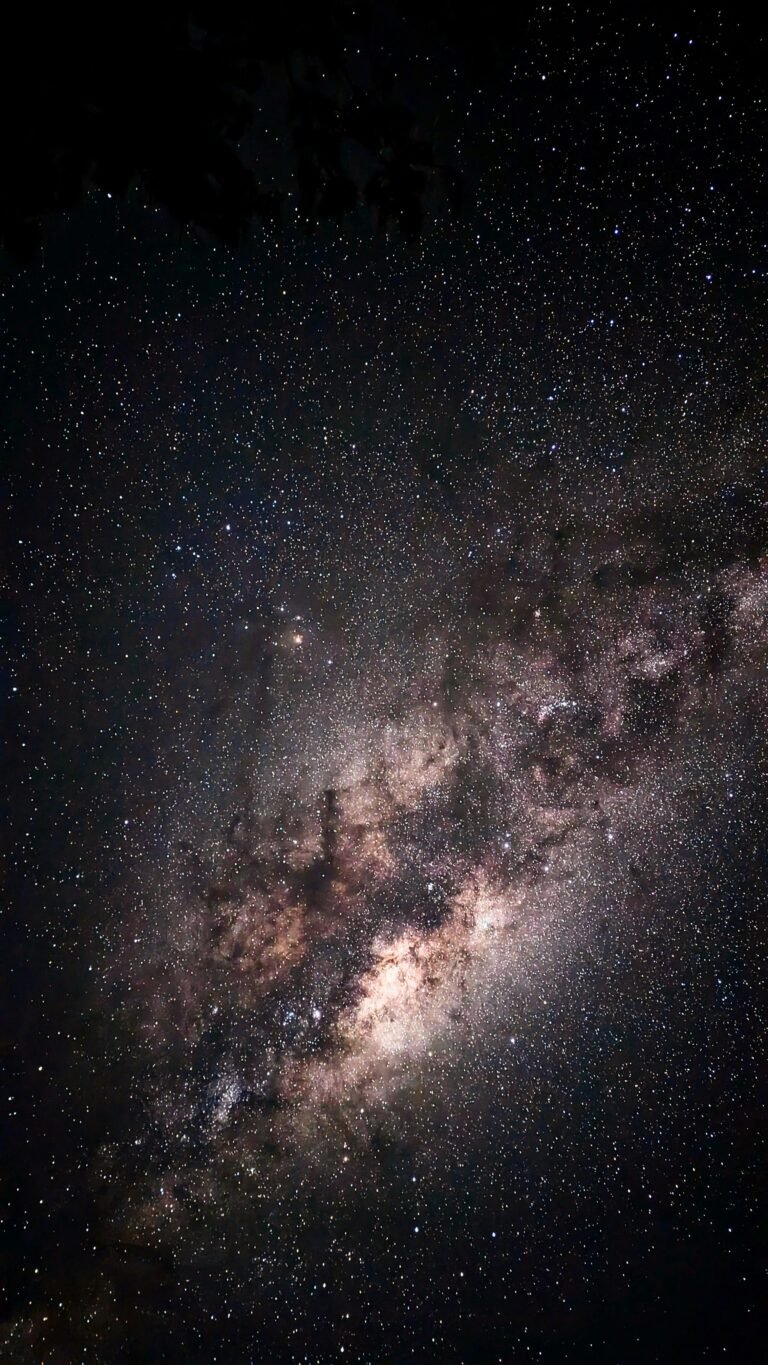
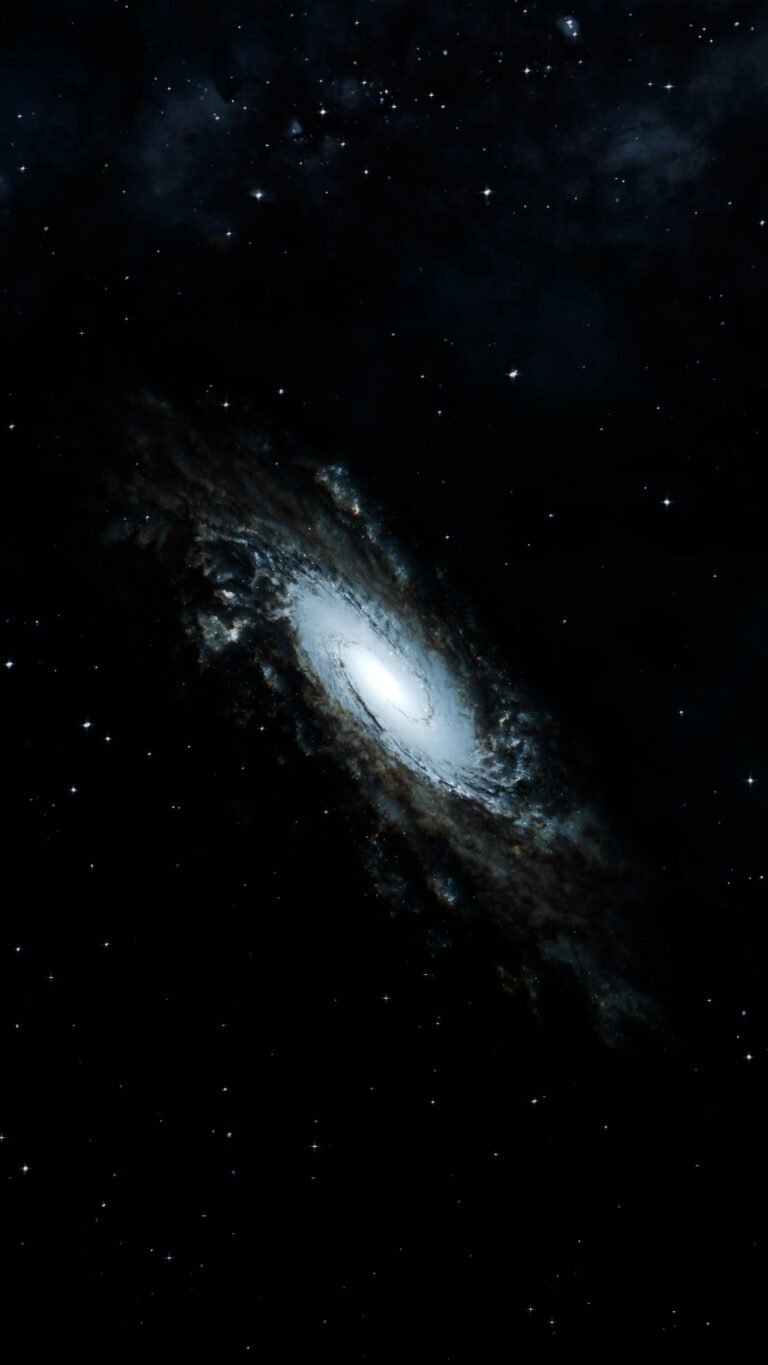
The Milky Way Galaxy Structure and Dynamics – our home galaxy
The Milky Way is a barred spiral galaxy and the cosmic home to our solar system. In March 2026, our...
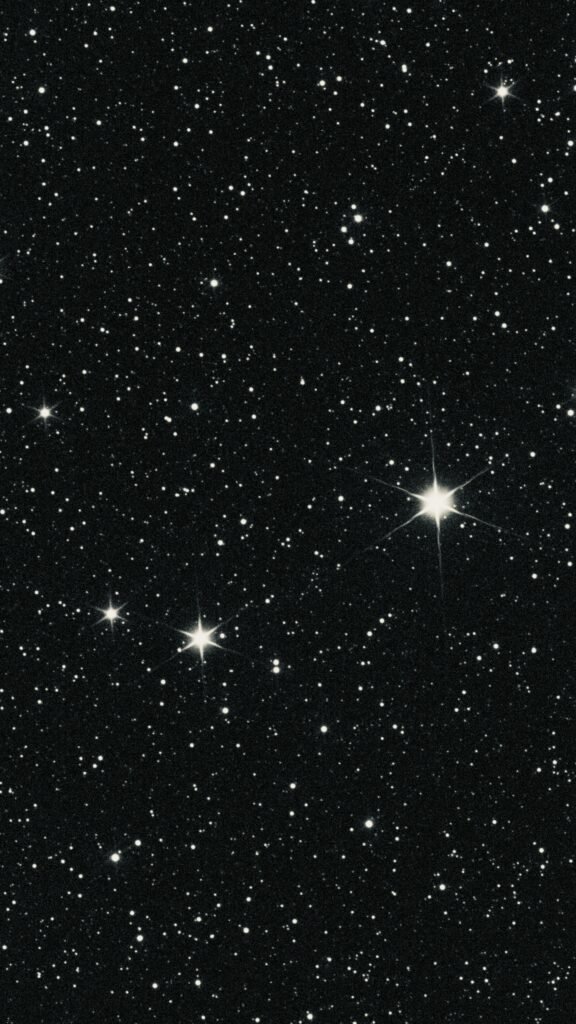
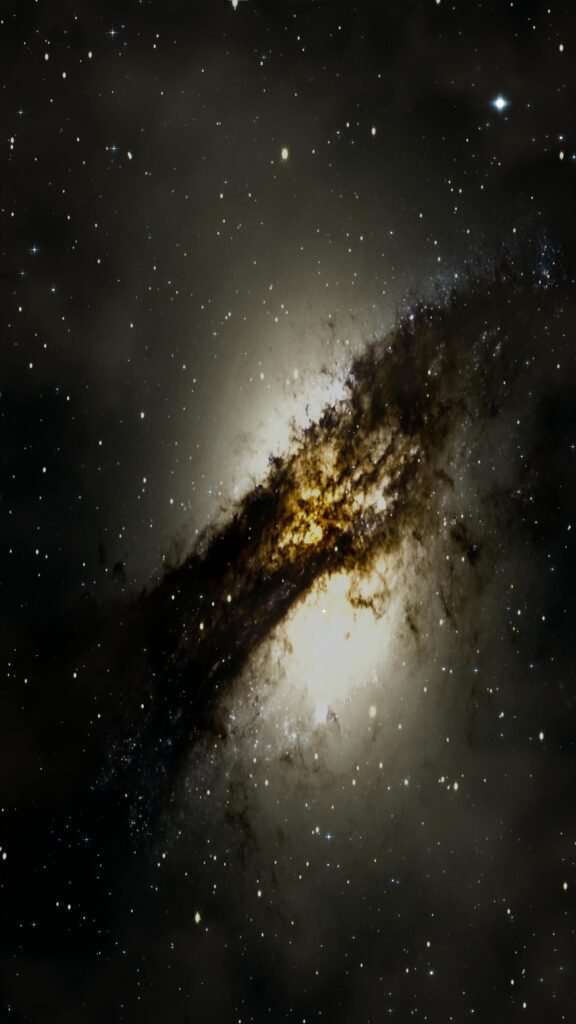
Active Galactic Nuclei and Quasars – extremely bright galactic cores
In March 2026, Active Galactic Nuclei (AGN) are recognized as the most powerful "engines" in the universe. An AGN is...
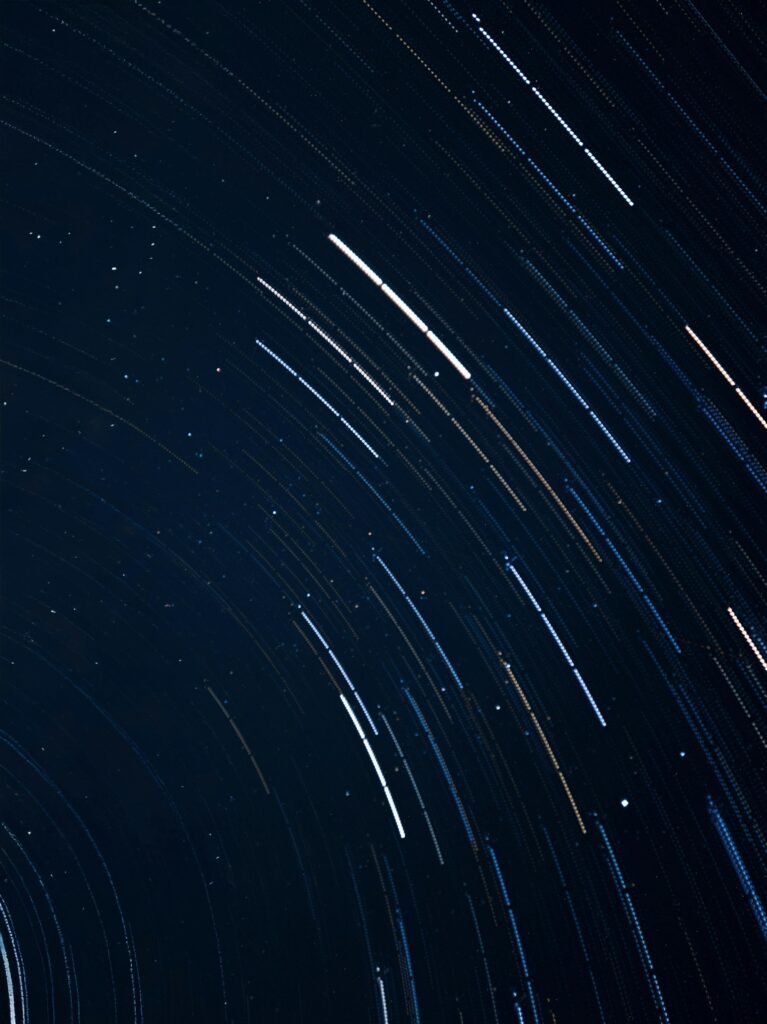
Dark Energy and the Expanding Universe – acceleration of cosmic expansion
In March 2026, our understanding of Dark Energy is undergoing its most significant shift since its discovery in 1998. For...
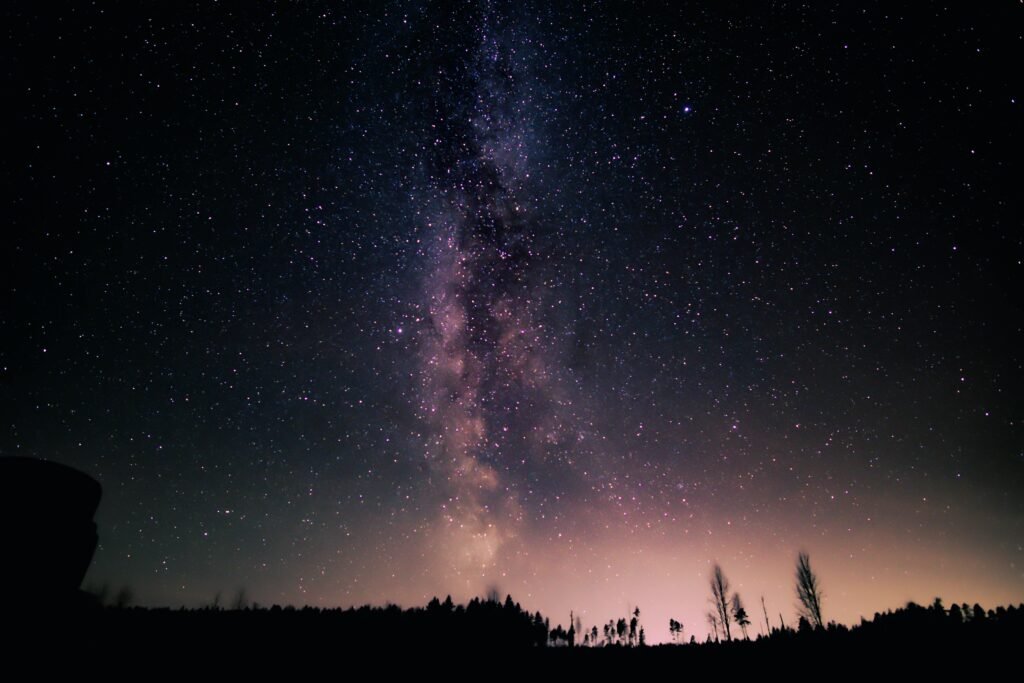
Dark Matter and Its Role in Galaxy Formation – unseen mass in universe
In March 2026, our understanding of Dark Matter has shifted from a "missing mass" problem to the realization that it...

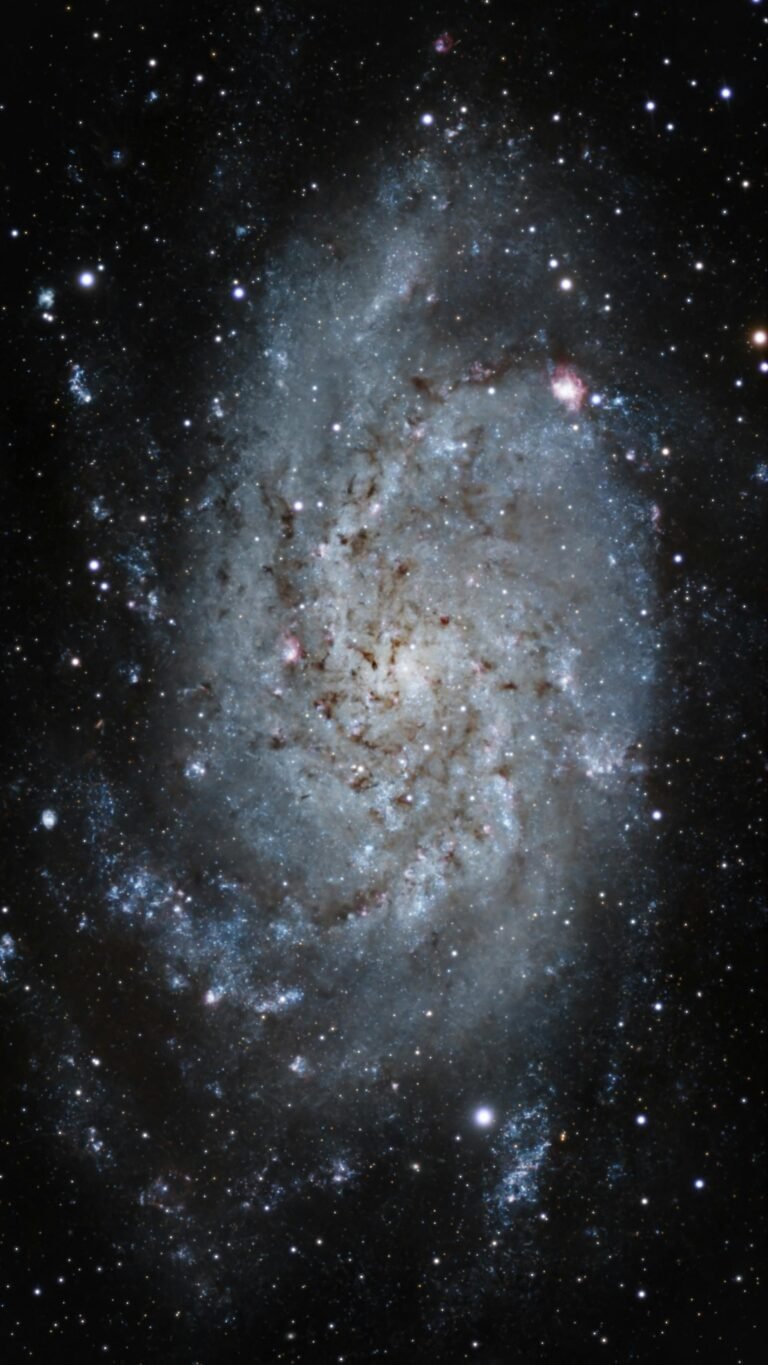
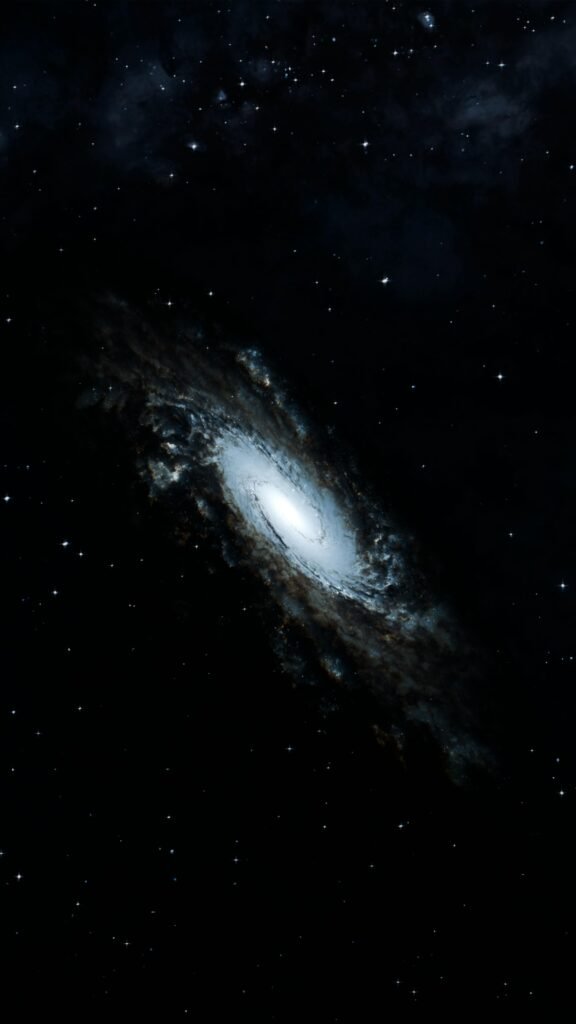
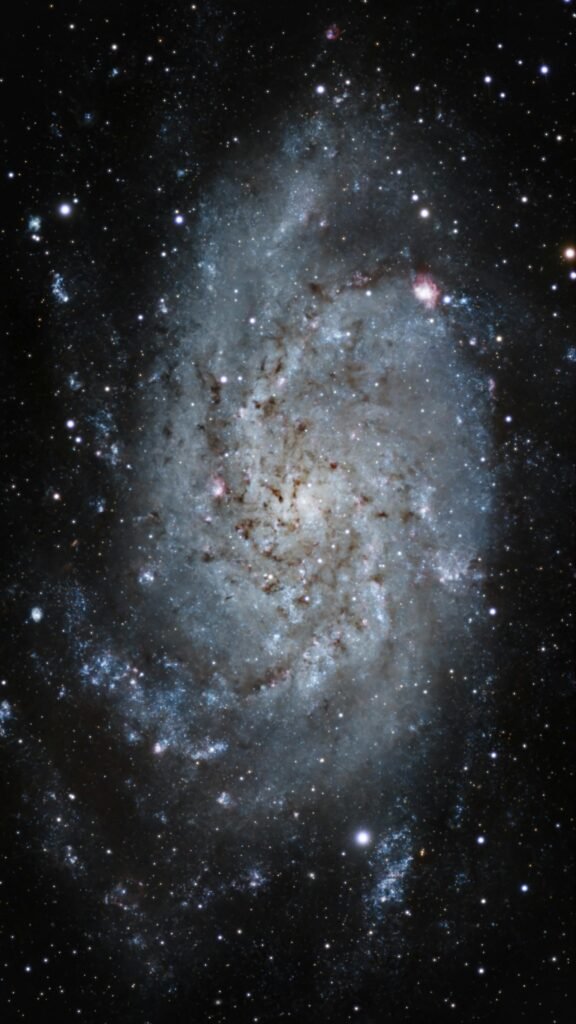
The Structure and Evolution of Galaxies – spiral, elliptical, irregular galaxies
Galaxies are the building blocks of the large-scale universe—vast collections of stars, gas, dust, and dark matter held together by...
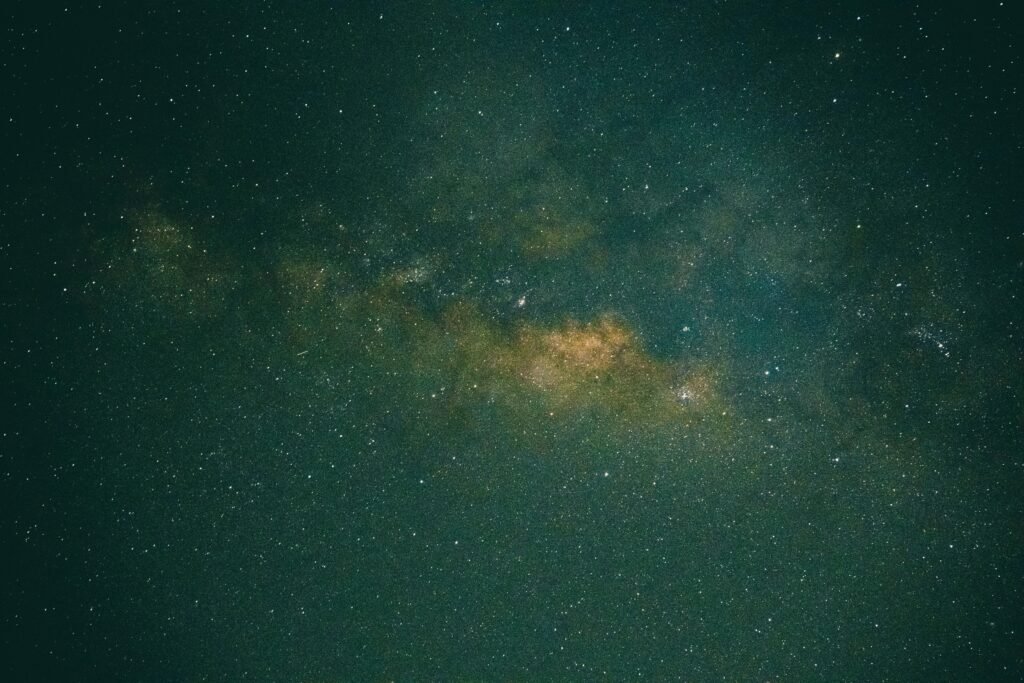
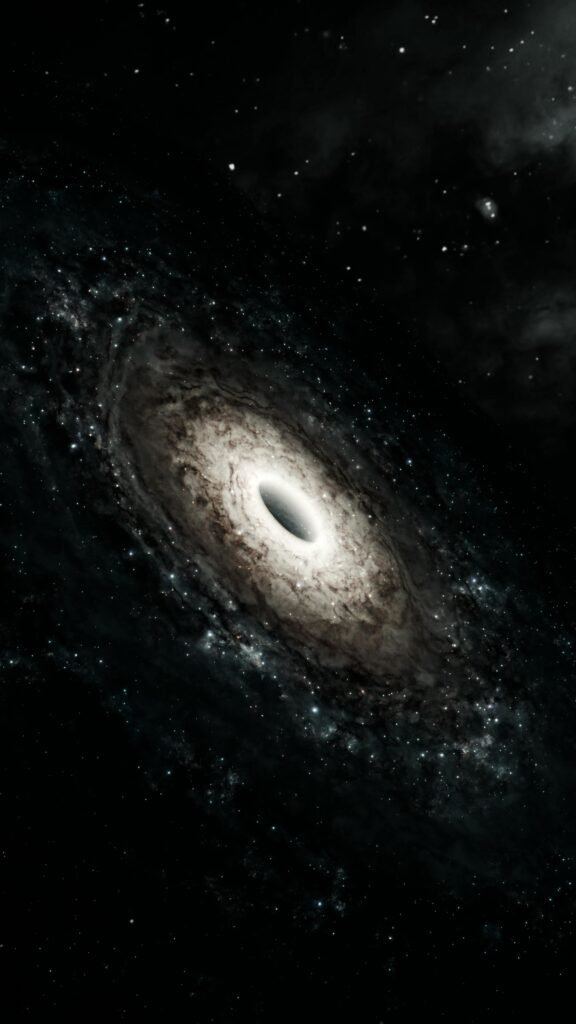
Supermassive Black Holes in Galactic Centers – role in galaxies
In the core of nearly every massive galaxy, including our own Milky Way, lies a Supermassive Black Hole (SMBH). While...
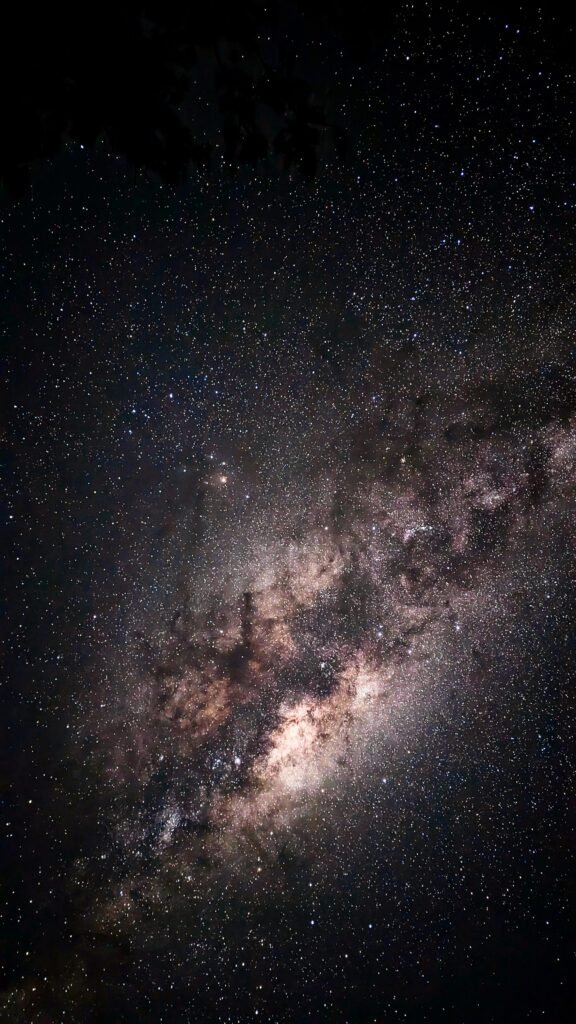
Formation of Neutron Stars and Black Holes – end stages of massive stars
When a star with more than 8 times the mass of our Sun reaches the end of its life, it...