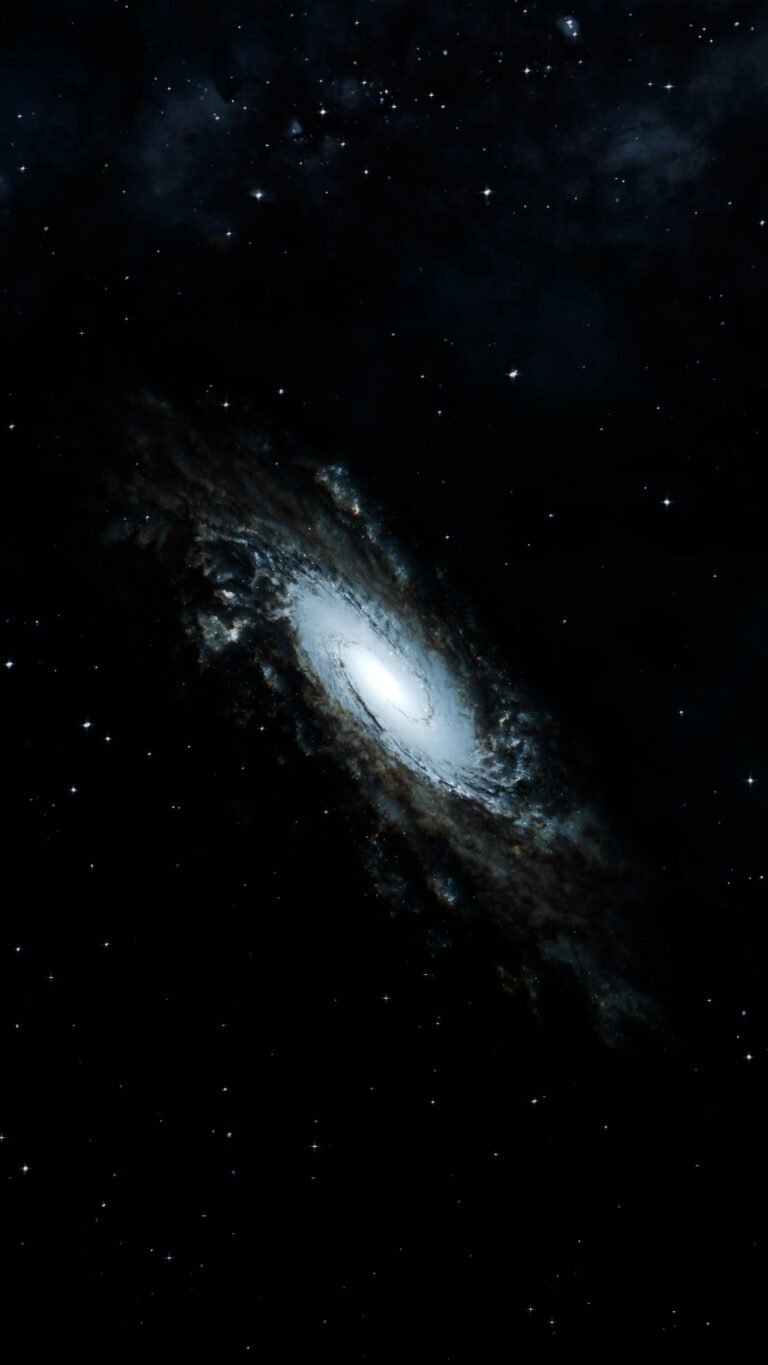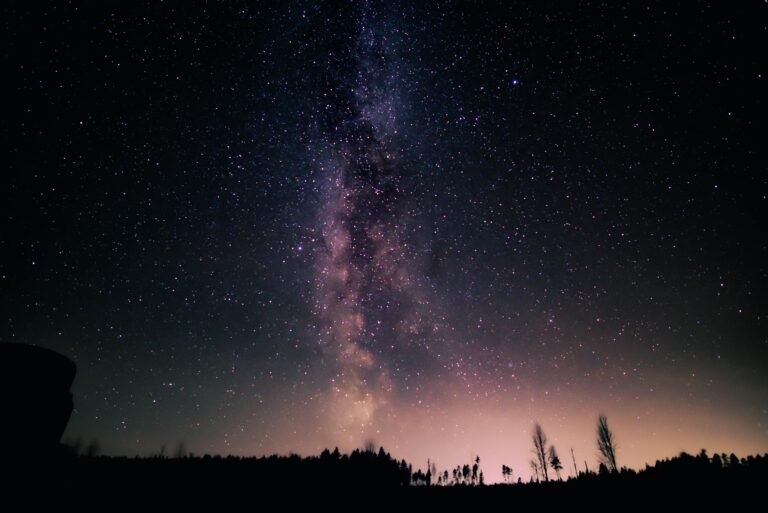







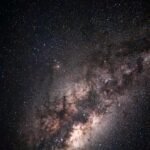
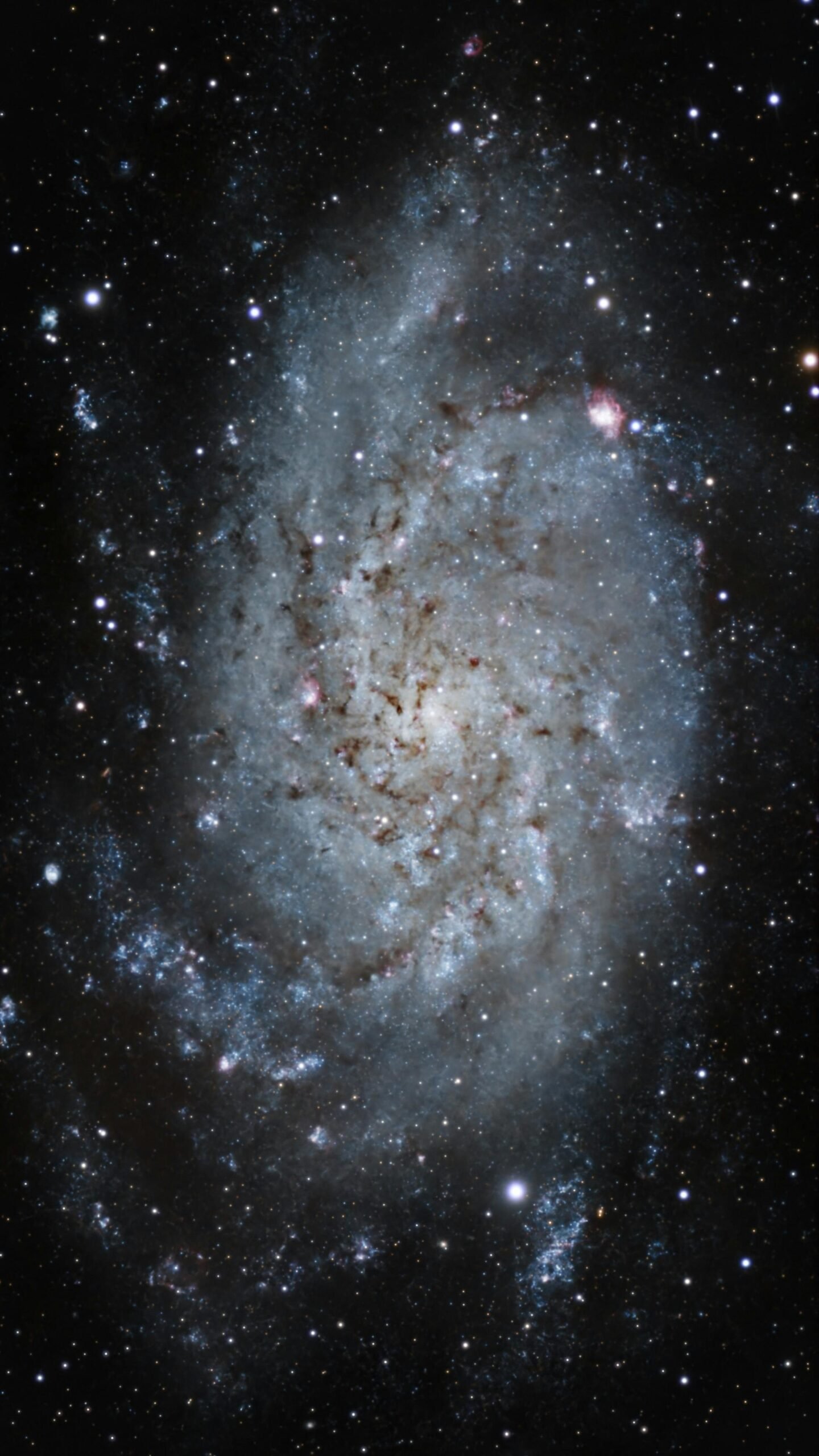
The Milky Way is a barred spiral galaxy and the cosmic home to our solar system. In March 2026, our understanding of its structure has been refined by high-precision data from the Gaia mission, which has allowed astronomers to map the positions and motions of over a billion stars with unprecedented accuracy.
🌌 1. The Core Components
The Milky Way is composed of four primary structural elements, each with distinct stellar populations and dynamics.
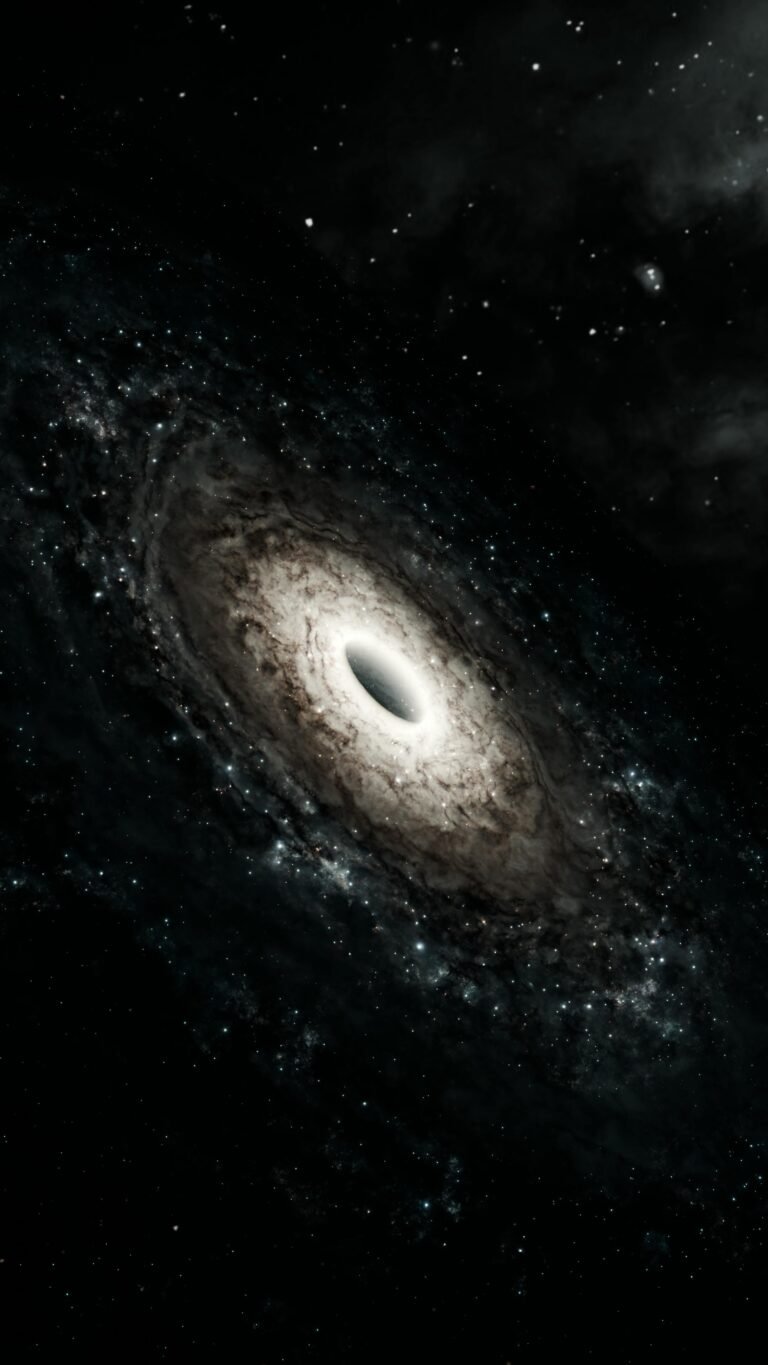
- The Galactic Center & SMBH: At the very heart lies Sagittarius A* (Sgr A*), a supermassive black hole with approximately 4.3 million times the mass of the Sun.
- The Galactic Bulge & Bar: Surrounding the center is a dense, peanut-shaped bulge of mostly older, red stars. Extending through this bulge is a central bar (roughly 27,000 light-years long) that funnels gas toward the center, fueling star formation.
- The Thin and Thick Disks:
- Thin Disk: Contains most of the galaxy’s gas, dust, and young stars (including the Sun). This is where active star formation occurs.
- Thick Disk: Surrounds the thin disk and contains older stars with lower “metallicity” (fewer heavy elements), representing an earlier epoch of the galaxy’s history.
- The Stellar Halo: A vast, spherical cloud of old stars and globular clusters that encases the entire disk. It is sparsely populated but contains some of the oldest stars in the universe.
🌀 2. Spiral Arms and the Sun’s Location
The Milky Way has two major spiral arms (Scutum-Centaurus and Perseus) and several minor arms or “spurs.”
- The Orion Arm (Local Pur): Our Solar System is located in the Orion Arm, situated about 26,000 light-years from the Galactic Center.
- Galactic Rotation: The Sun orbits the center of the galaxy at a speed of approximately 220 km/s (490,000 mph). It takes about 230 million years to complete one full revolution—a period known as a Galactic Year.
⚖️ 3. Dynamics and Dark Matter
The visible stars and gas only account for a small fraction of the Milky Way’s total mass.
- The Dark Matter Halo: To explain why the outer stars orbit as fast as the inner stars (the rotation curve problem), scientists have mapped a massive, invisible dark matter halo that extends far beyond the visible stellar disk.
- Satellite Galaxies: The Milky Way is the “anchor” of a small group of galaxies, including the Large and Small Magellanic Clouds. These satellite galaxies are currently being “cannibalized” by the Milky Way’s gravity, contributing new gas and stars to our system.
📊 Vital Statistics (2026 Estimates)
| Feature | Value / Description |
| Type | SBbc (Barred Spiral) |
| Diameter | ~100,000 to 150,000 Light-Years |
| Total Mass | ~1 to 1.5 Trillion Solar Masses (including Dark Matter) |
| Number of Stars | 100 to 400 Billion |
| Age | ~13.6 Billion Years |
🚀 4. The Future: Collision Course
The Milky Way is not a closed system. It is currently moving toward the Andromeda Galaxy (M31) at about 110 km/s.
- Milkomeda: In roughly 4.5 billion years, the two galaxies will begin a massive merger.
- The Result: The distinct spiral structures will be destroyed, and the two will eventually settle into a giant Elliptical Galaxy, often referred to by astronomers as “Milkomeda.”
- Compare the Milky Way to the Andromeda Galaxy
- Summarize the latest findings from the Gaia mission in 2026
- Explain the process of galactic cannibalism in our local group