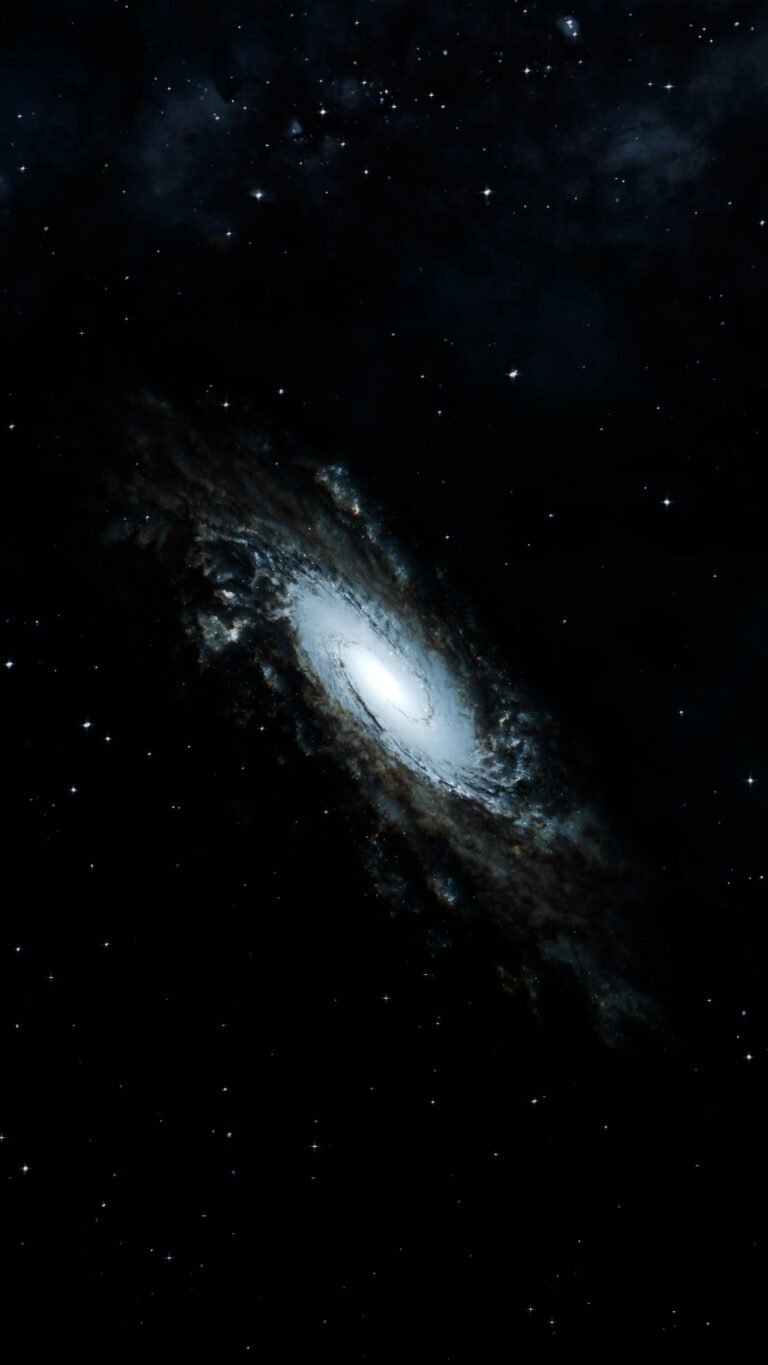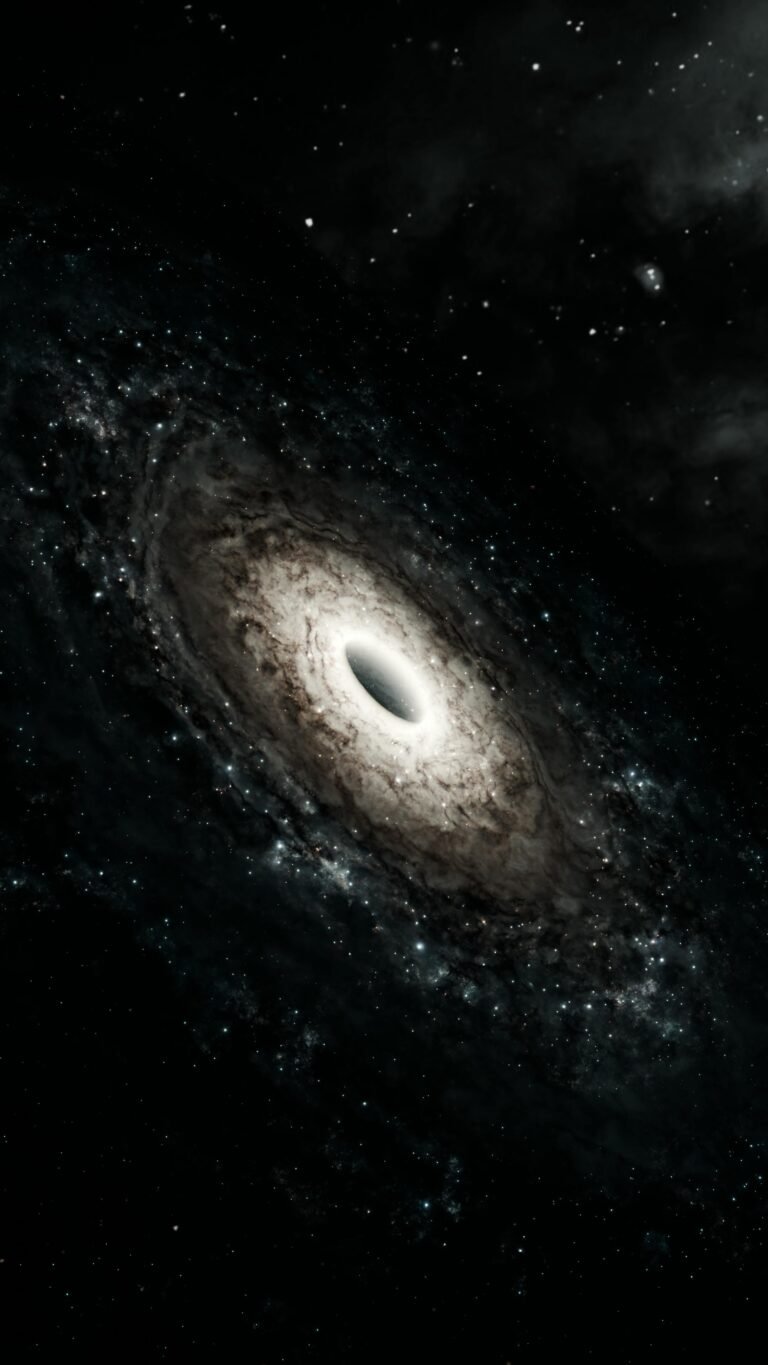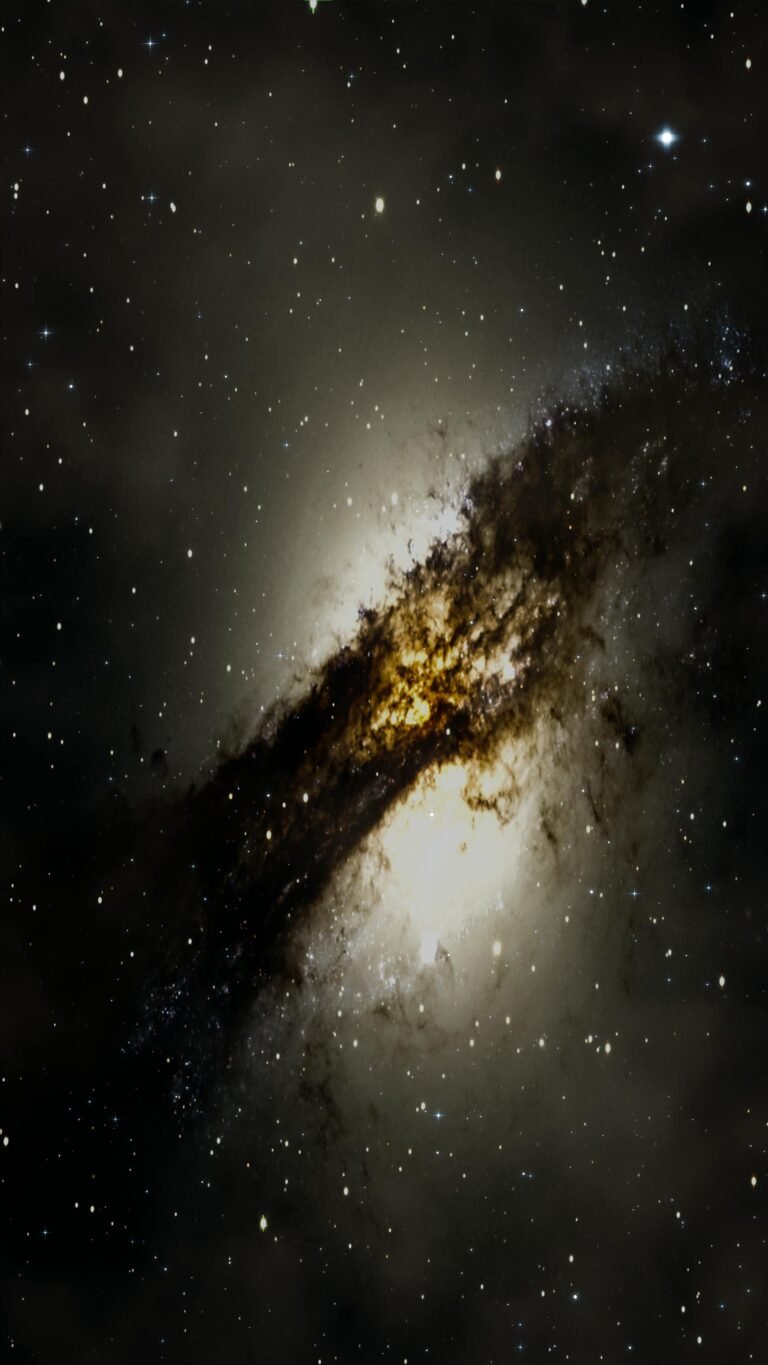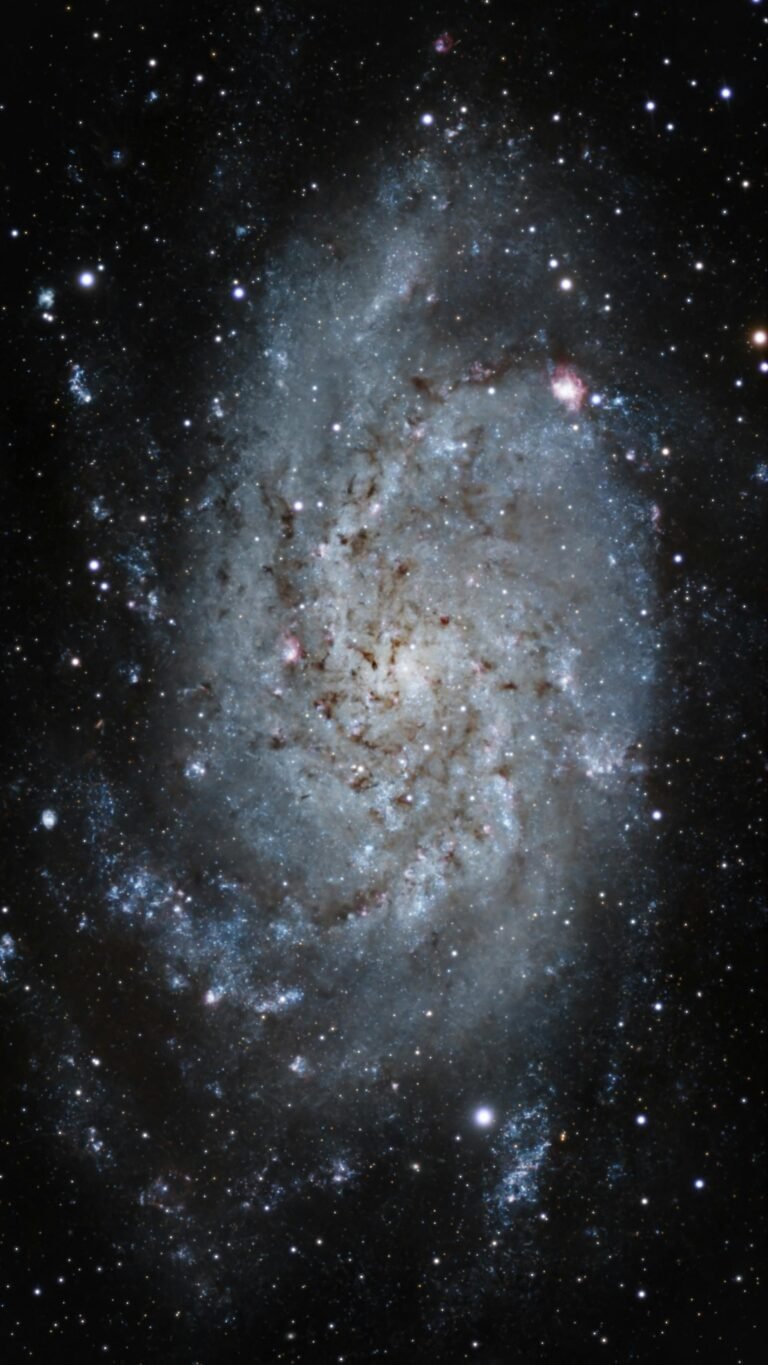









In March 2026, our understanding of Dark Matter has shifted from a “missing mass” problem to the realization that it is the primary architect of the universe. While it remains invisible—neither emitting, absorbing, nor reflecting light—it provides the gravitational “scaffold” upon which all galaxies are built.
🌌 1. The Evidence: Why We Know It’s There
We cannot see dark matter, but we can measure its massive gravitational influence on visible objects.
- Galaxy Rotation Curves: In the 1970s, Vera Rubin observed that stars at the outer edges of galaxies rotate just as fast as those near the center. Without the extra gravity of a “dark halo,” these galaxies would fly apart.
- Gravitational Lensing: Massive concentrations of dark matter act like a magnifying glass, bending the light from distant galaxies behind them. By measuring this distortion, astronomers can “map” where the dark matter is located.
- The Bullet Cluster: When two galaxy clusters collided, the visible gas slowed down due to friction, but the mass (detected via lensing) passed right through, proving that the majority of the mass is non-interactive “dark” material.
🏗️ 2. The “Scaffold” of Galaxy Formation
In the early universe, dark matter was the first substance to clump together under gravity.
- Dark Matter Halos: Small fluctuations in the density of dark matter created “wells” of gravity.
- Pulling in Gas: These halos acted as gravitational traps, pulling in vast clouds of hydrogen and helium gas from the surrounding space.
- Star Birth: As the gas settled into the center of these dark matter halos, it compressed and ignited, forming the first stars and, eventually, galaxies.
- The Cosmic Web: On a large scale, dark matter forms a vast, interconnected “web” of filaments. Galaxies form at the intersections where these filaments meet.
🧪 3. What is Dark Matter? (The 2026 Search)
As of 2026, the exact particle remains a mystery, but physicists have narrowed down the leading candidates:
- WIMPs (Weakly Interacting Massive Particles): Heavy particles that only interact via gravity and the weak nuclear force. Despite decades of searching with underground detectors (like LUX-ZEPLIN), they have not yet been directly caught.
- Axions: Extremely light, theoretical particles that could solve problems in both cosmology and particle physics. In 2026, experiments like ADMX are using powerful magnets to try and convert axions into detectable photons.
- SIMPs (Strongly Interacting Massive Particles): A newer theory suggesting dark matter particles might interact strongly with each other but weakly with normal matter, explaining why some galaxy cores are less dense than expected.
📊 Matter Distribution in the Universe
| Component | Percentage | Role in the Universe |
| Normal Matter | ~5% | Everything we see: stars, planets, people. |
| Dark Matter | ~27% | The “glue” that holds galaxies together. |
| Dark Energy | ~68% | The force causing the universe’s expansion to accelerate. |
⚠️ 4. Challenges to the Standard Model
While the $\Lambda$CDM (Lambda Cold Dark Matter) model is the gold standard, 2026 observations from the James Webb Space Telescope (JWST) have revealed “impossibly” massive galaxies existing very early in the universe. This suggests that either:
- Dark matter seeded galaxies much faster than we thought.
- Our understanding of how gas turns into stars inside dark matter halos needs a major update.
💡 The 2026 Perspective: The “Invisible” Majority
Without dark matter, the universe would be a thin, uniform soup of gas. There would be no galaxies, no stars, and no life. We are essentially living in a “Dark Matter Universe,” where visible matter is just the bright frosting on a much larger, invisible cake.
- Compare WIMP and Axion detection methods
- Summarize JWST’s impact on dark matter models in 2026
- Explain gravitational lensing and dark matter mapping