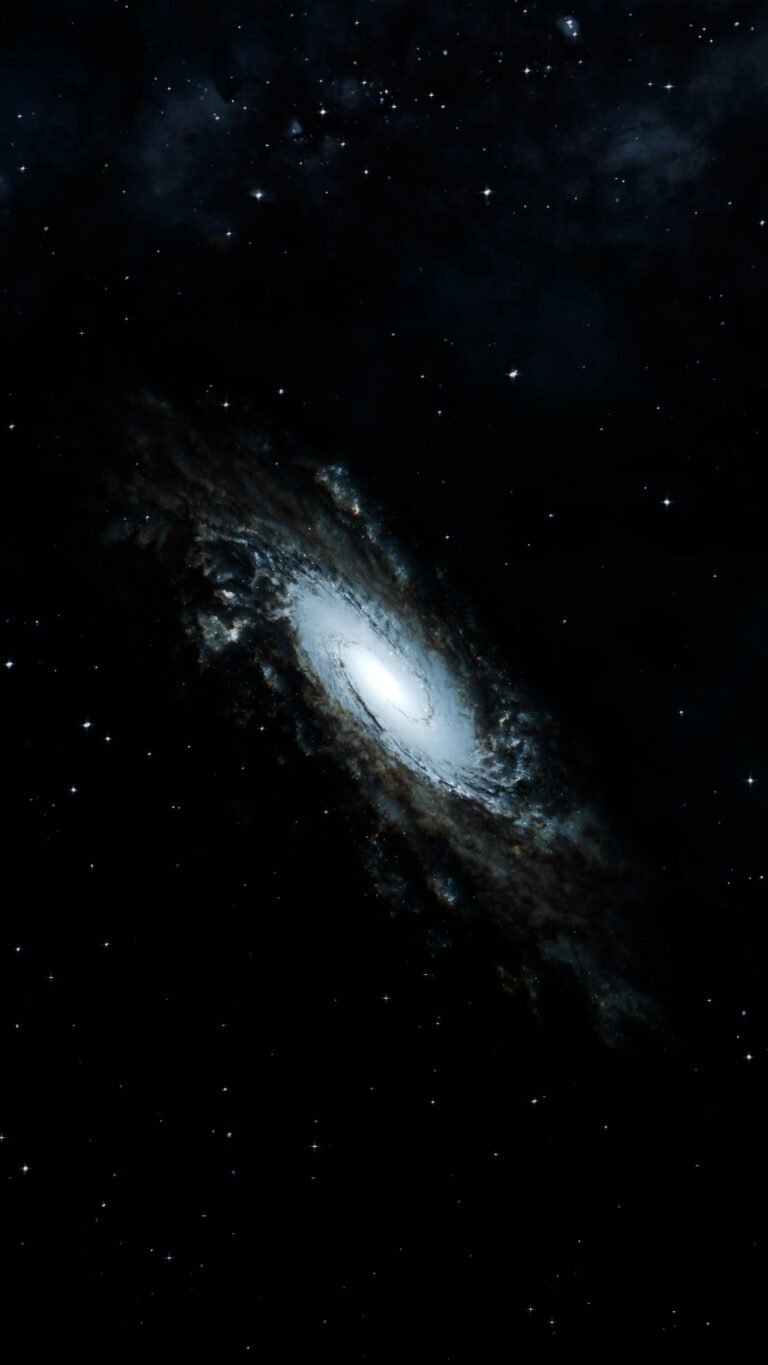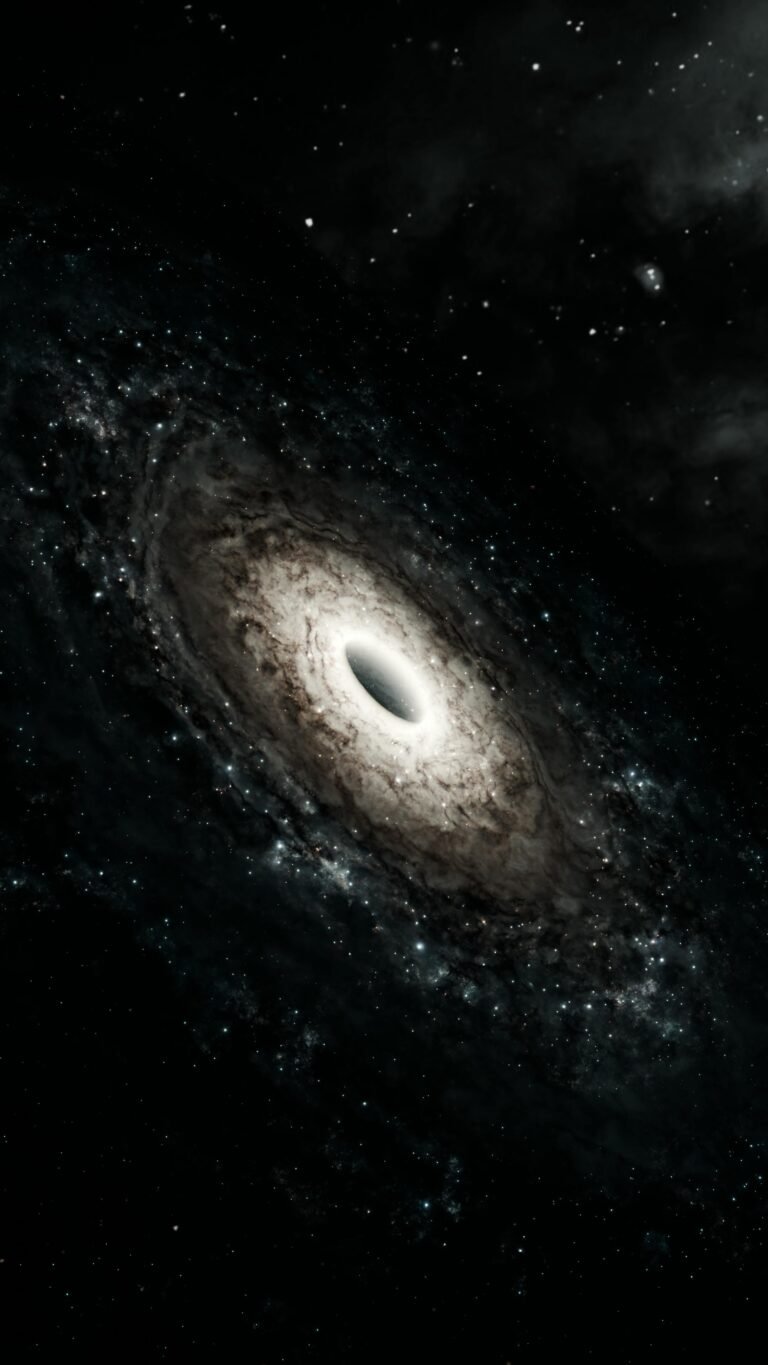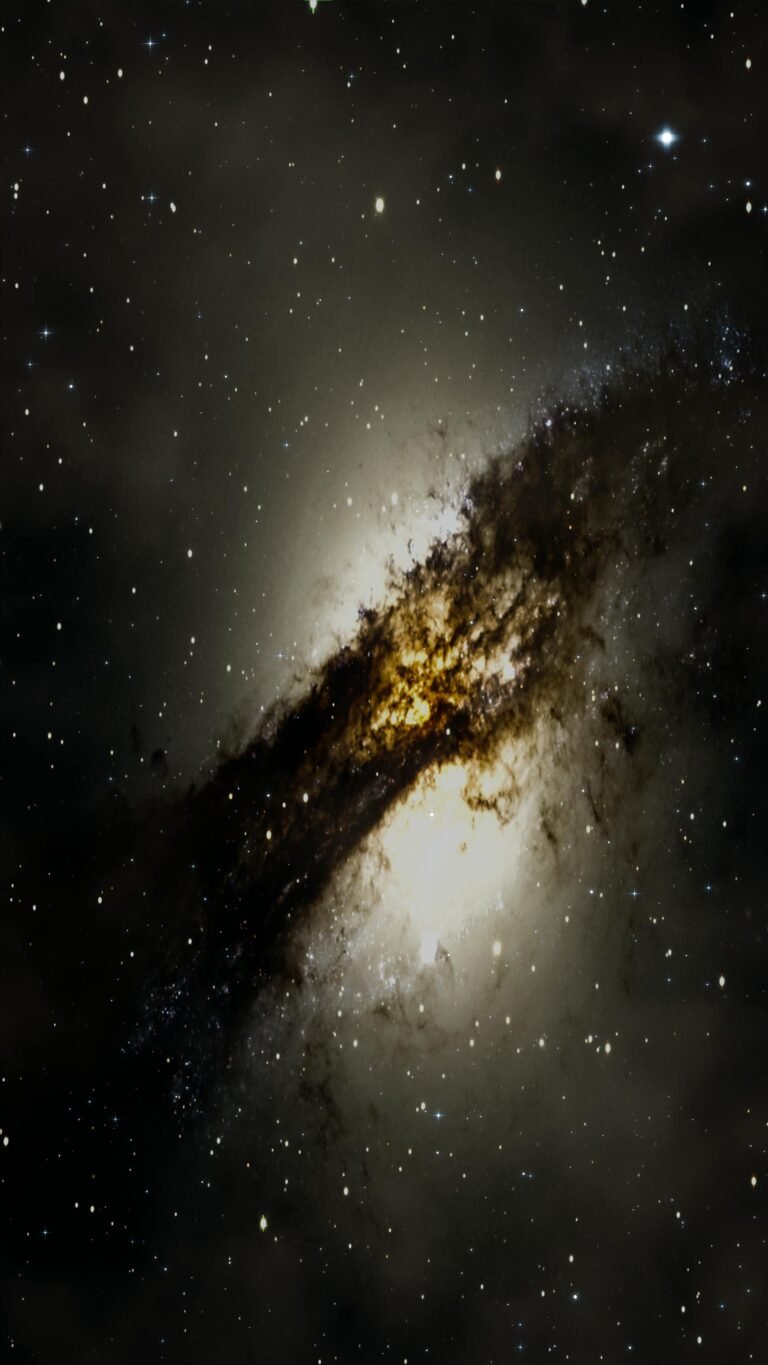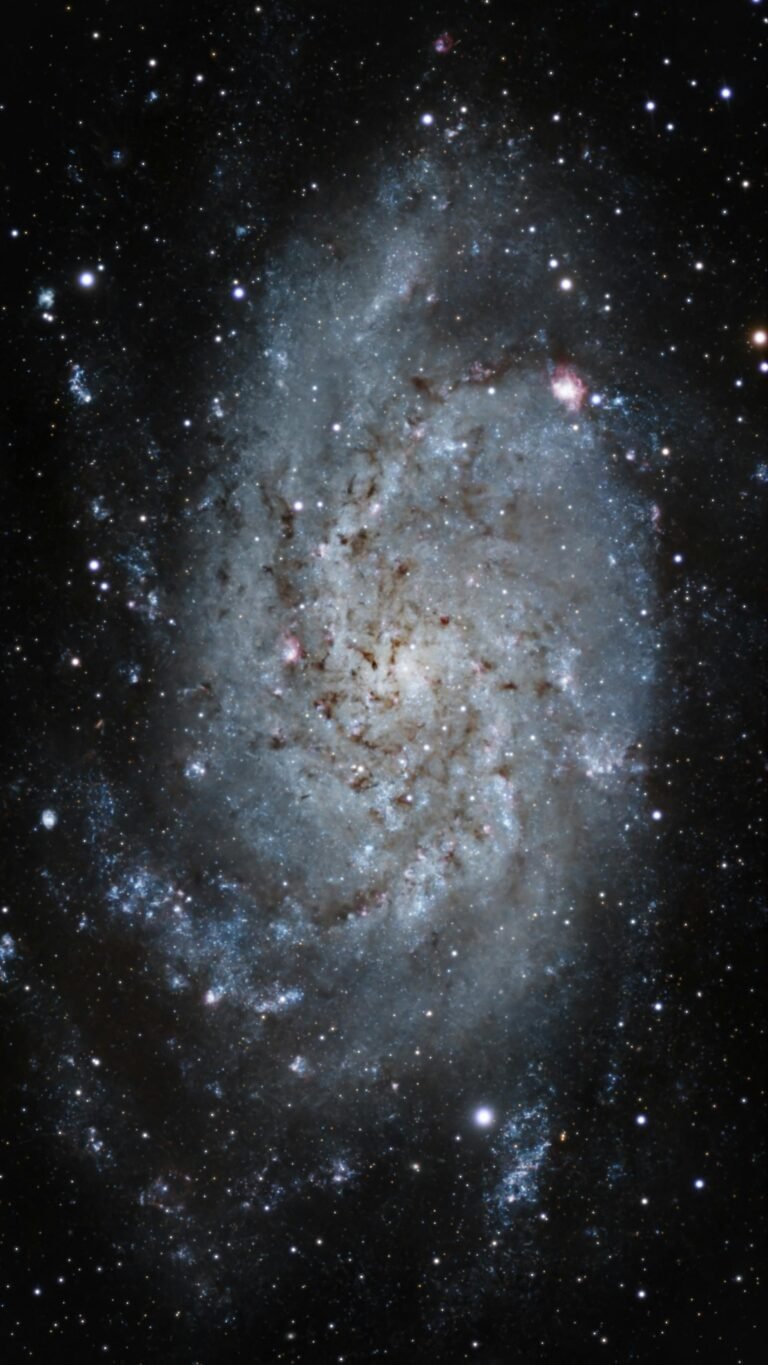








Galaxies are the building blocks of the large-scale universe—vast collections of stars, gas, dust, and dark matter held together by gravity. In March 2026, astronomers view galaxy evolution not as a static classification, but as a dynamic process driven by mergers, gas consumption, and the influence of supermassive black holes.
🌌 1. The Three Main Morphologies
Edwin Hubble’s classification system remains the foundation for describing galaxy shapes, though we now understand these shapes represent different stages of a galaxy’s life.
A. Spiral Galaxies (The “Live” Galaxies)
- Structure: A central bulge surrounded by a flat, rotating disk with spiral arms. Many, like the Milky Way, have a central “bar” of stars.
- Characteristics: These are “star factories.” The spiral arms are regions of high density where gas and dust are compressed to form new, blue stars.
- Evolutionary Role: Spirals represent gas-rich systems that have not yet undergone a major collision.
B. Elliptical Galaxies (The “Dead” Galaxies)
- Structure: Shaped like spheres or elongated footballs. They lack a disk and spiral arms.
- Characteristics: These contain mostly old, red stars and very little cool gas. Consequently, star formation has almost entirely stopped (“quenched”).
- Evolutionary Role: They are often the “end state” of galaxy evolution, formed when two or more spiral galaxies collide and merge.
C. Irregular Galaxies (The “Chaos” Galaxies)
- Structure: No distinct shape or symmetry.
- Characteristics: Usually small and rich in gas.
- Evolutionary Role: These are often the result of gravitational “tugging” from larger neighbors or represent the early, chaotic stages of galaxy formation in the distant universe.
🔄 2. The Evolutionary Path: “Blue Cloud” to “Red Sequence”
Astronomers in 2026 track galaxies across a color-magnitude diagram to understand how they change over billions of years.
- The Blue Cloud: Young, spiral galaxies actively forming stars. They appear blue because of the massive, short-lived stars they produce.
- The Green Valley: A transitional phase. As a galaxy runs out of gas—often because its central supermassive black hole “blows” the gas away—star formation slows down.
- The Red Sequence: The final destination. These are massive elliptical galaxies. They appear red because only old, long-lived stars remain.
🛠️ 3. Drivers of Evolution
Galaxy shapes are not permanent; they are constantly being reshaped by their environment.
- Galactic Mergers: When two spirals collide, their gas clouds crash and trigger a “starburst” (a frenzy of star formation). Eventually, the stars settle into a random, swarming orbit, creating an elliptical galaxy.
- Dark Matter Halos: Galaxies reside within massive halos of dark matter. The gravity of these halos dictates how much gas a galaxy can pull in from the cosmic web to keep forming stars.
- Black Hole Feedback: As discussed previously, the energy released by a central supermassive black hole can heat up a galaxy’s gas, preventing it from collapsing into new stars—essentially “killing” the galaxy’s growth.
📊 Galaxy Type Comparison
| Feature | Spiral | Elliptical | Irregular |
| Star Formation | High (Active) | Low to None | High |
| Gas/Dust Content | Abundant | Very Sparse | Abundant |
| Star Population | Mixed (Young & Old) | Mostly Old (Red) | Mostly Young (Blue) |
| Shape Stability | Rotational Disk | Pressure Supported | Unstable/Changing |
🔭 4. The 2026 Perspective: JWST Discoveries
By 2026, the James Webb Space Telescope (JWST) has revolutionized our view of early galaxy evolution. We now know that “mature” disk galaxies existed much earlier in the universe’s history (within the first 500 million years) than previously thought, challenging our models of how quickly gravity can organize chaos into structure.
- Create a table of 2026 JWST discoveries in early galaxy formation
- Summarize the process of galactic cannibalism
- List the differences between Lenticular and Elliptical galaxies