What are the ethical considerations in monkey rescue and rehabilitation?

What are the ethical considerations in monkey rescue and rehabilitation?
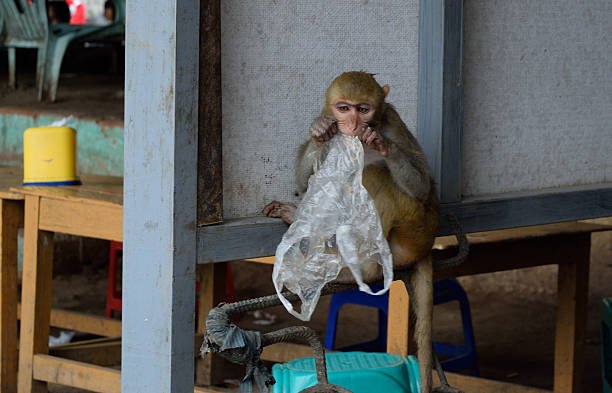
In this article, we delve into the complex ethical considerations surrounding monkey rescue and rehabilitation efforts. As our understanding of animal cognition and emotions deepens, so does our responsibility towards their welfare. Monkeys, often subjected to exploitation in various industries or displaced from their natural habitats due to human activities, face unique challenges in their rescue and rehabilitation.
The ethical dilemmas arise at various stages of the process, from the decision to intervene in wild populations to the methods used for rehabilitation and eventual release. Balancing the immediate needs of individual monkeys with the long-term goals of species conservation requires careful consideration of ethical principles such as beneficence, non-maleficence, autonomy, and justice. Furthermore, the involvement of humans in these efforts introduces additional layers of complexity, as conflicts of interest and differing perspectives on animal rights come into play. Through thoughtful examination and informed decision-making, we aim to navigate these ethical challenges and ensure the well-being of monkeys under our care.
Conservation Implications: Impact on Wild Populations and Ecosystems
The conservation implications of monkey rescue and rehabilitation efforts are profound, extending beyond the individuals in need of assistance to encompass entire wild populations and ecosystems. When monkeys are rescued from situations of exploitation or displacement, it not only affects the individuals directly involved but also their respective social groups and the broader ecological balance. Disrupting natural populations through human interference can lead to cascading effects, such as altered behaviors, changes in resource utilization patterns, and decreased genetic diversity, all of which can have significant repercussions for the health and sustainability of ecosystems.
Efforts to rescue and rehabilitate monkeys must carefully consider the potential consequences for wild populations and ecosystems. Introducing rehabilitated individuals back into their natural habitats can impact existing social dynamics and resource availability, potentially leading to conflicts or competition with resident monkeys. Furthermore, the spread of diseases or parasites from rehabilitated individuals to wild populations is a valid concern that must be addressed through rigorous health assessments and quarantine measures. Thus, conservation implications necessitate a holistic approach that balances the immediate needs of rescued monkeys with the long-term conservation goals of preserving wild populations and ecosystems.

To mitigate the negative conservation implications of monkey rescue and rehabilitation efforts, strategies must be implemented to minimize human interference and promote sustainable coexistence between humans and monkeys. This includes prioritizing conservation education and community engagement initiatives to foster greater understanding and appreciation for wildlife and their habitats. By empowering local communities to become stewards of their natural environments, it is possible to reduce human-wildlife conflicts and create synergistic relationships that benefit both people and monkeys. Additionally, supporting habitat restoration and conservation projects can help offset the impacts of human activities on wild populations, providing essential resources and refuge for monkeys and other wildlife species. Ultimately, by integrating conservation principles into monkey rescue and rehabilitation practices, we can strive towards a more harmonious relationship between humans and the natural world, ensuring the long-term survival of monkeys and their ecosystems.
Ethical Treatment: Ensuring Respect and Dignity in Rehabilitation Processes
Ethical treatment lies at the heart of monkey rescue and rehabilitation efforts, demanding careful consideration of the principles of respect and dignity throughout the entire process. Central to ethical treatment is the recognition of monkeys as sentient beings capable of experiencing pain, suffering, and a range of emotions akin to humans. As such, it is imperative that all interactions with rescued monkeys prioritize their well-being and autonomy, safeguarding them from harm and exploitation. This entails providing appropriate medical care, nutrition, and enrichment to address their physical and psychological needs, as well as ensuring their freedom from unnecessary confinement or coercion.
Furthermore, ethical treatment extends beyond the direct care of individual monkeys to encompass broader considerations of justice and fairness. This includes equitable access to resources and opportunities for all rescued monkeys, regardless of their species, age, or health status. Additionally, it involves transparent decision-making processes that prioritize the best interests of the monkeys themselves, rather than serving the agendas of external stakeholders. Upholding ethical treatment also requires accountability and oversight mechanisms to prevent abuses of power or neglect within rehabilitation facilities, ensuring that standards of care are consistently met and monitored.

Ultimately, ethical treatment in monkey rescue and rehabilitation necessitates a commitment to compassion, empathy, and humility in our interactions with these vulnerable beings. It requires us to continually reflect on our own biases and assumptions, challenging ourselves to prioritize the interests of the monkeys above our own desires or convenience. By cultivating a culture of respect and dignity within the field of wildlife rescue and rehabilitation, we can set a precedent for ethical behavior that extends to all interactions with animals, fostering a more compassionate and just society for humans and non-human animals alike.
Release Criteria: Determining Readiness for Reintroduction into Natural Habitats
Determining when a rescued monkey is ready for release back into its natural habitat is a critical aspect of rehabilitation efforts, requiring careful assessment of various factors to ensure the successful transition from captivity to the wild. Release criteria encompass a range of considerations, including the physical health and fitness of the individual monkey, its behavioral repertoire and social skills, as well as the suitability of the release site and the presence of potential threats or challenges in the environment.
Physical health and fitness serve as fundamental criteria for release, as monkeys must be capable of surviving and thriving in their natural habitat without the need for ongoing intervention. This includes ensuring that they are free from any lingering health issues or injuries that could compromise their ability to forage, evade predators, or compete for resources. Additionally, monkeys must possess adequate strength and agility to navigate the complex terrain of their natural environment, allowing them to move freely and engage in typical behaviors such as climbing, grooming, and socializing with conspecifics.
Behavioral readiness is equally crucial, as released monkeys must be able to exhibit natural behaviors and interact appropriately with other members of their species. This entails assessing their ability to forage for food, identify and avoid predators, and communicate effectively with conspecifics. Monkeys must also demonstrate independence from human caregivers, displaying minimal reliance on supplementary feeding or artificial stimuli. Moreover, they should exhibit appropriate social behaviors, including forming and maintaining social bonds, resolving conflicts, and participating in group activities such as grooming and play.

In addition to individual readiness, the suitability of the release site plays a pivotal role in determining the success of reintroduction efforts. Release sites must offer adequate food resources, shelter, and protection from predators, as well as opportunities for social interaction and territorial behavior. Moreover, the presence of human activities or infrastructure must be carefully evaluated to minimize potential conflicts and ensure the safety of released monkeys. Environmental assessments may also consider factors such as habitat fragmentation, connectivity, and resilience to climate change, aiming to select release sites that support the long-term viability of reintroduced populations.
Overall, establishing clear and comprehensive release criteria is essential for ensuring the welfare and conservation success of rescued monkeys undergoing rehabilitation. By rigorously evaluating individual readiness, assessing the suitability of release sites, and accounting for potential threats and challenges in the environment, rehabilitation programs can maximize the chances of successful reintroduction and contribute to the long-term sustainability of wild populations.
Long-term Monitoring: Assessing Success and Addressing Ongoing Needs
Long-term monitoring constitutes a vital component of monkey rescue and rehabilitation efforts, serving to evaluate the success of reintroduction programs and address the ongoing needs of released individuals and wild populations. Monitoring initiatives typically involve tracking the post-release behavior and survival of released monkeys, collecting data on their movements, social interactions, reproductive success, and overall health status. By systematically assessing these parameters over time, conservationists can gauge the effectiveness of rehabilitation efforts and identify any challenges or deficiencies that may require intervention.
One key aspect of long-term monitoring is assessing the survival and reproductive success of released monkeys in their natural habitats. By tracking individuals through methods such as radio telemetry, GPS tracking, or visual observations, researchers can determine whether released monkeys are able to establish themselves in the wild and contribute to the breeding population. Monitoring reproductive outcomes, such as birth rates, offspring survival, and reproductive behavior, provides valuable insights into the sustainability of reintroduced populations and their ability to maintain genetic diversity over time.
Moreover, long-term monitoring efforts extend beyond the individual level to encompass broader ecological and community dynamics within release sites. This includes assessing the impact of released monkeys on local ecosystems, such as their foraging patterns, habitat use, and interactions with other wildlife species. Additionally, monitoring initiatives may involve engaging with local communities to gather information on human-wildlife interactions, perceptions of released monkeys, and any conflicts or concerns that may arise. By integrating ecological data with socio-economic considerations, long-term monitoring helps to inform adaptive management strategies that promote coexistence between humans and monkeys while safeguarding the integrity of natural ecosystems.
Overall, long-term monitoring plays a crucial role in evaluating the outcomes of monkey rescue and rehabilitation efforts and guiding future conservation interventions. By systematically collecting and analyzing data on the behavior, survival, and ecological impact of released monkeys, conservationists can assess the effectiveness of reintroduction programs, identify areas for improvement, and implement adaptive management strategies that support the long-term well-being of both released individuals and wild populations. Through ongoing monitoring and adaptive management, we can strive towards sustainable solutions that ensure the continued survival and coexistence of monkeys and humans in their natural habitats.
Stakeholder Involvement: Considering Perspectives of Communities and Organizations
Stakeholder involvement is paramount in monkey rescue and rehabilitation efforts, necessitating the consideration of diverse perspectives from communities, organizations, and individuals with vested interests in the welfare of monkeys and their habitats. Engaging stakeholders throughout the decision-making process fosters collaboration, transparency, and accountability, ensuring that the needs and concerns of all parties are taken into account and addressed effectively.
Local communities are primary stakeholders in monkey rescue and rehabilitation initiatives, as they often share habitats with wild populations and may be directly impacted by conservation activities. Engaging with community members allows conservationists to gain valuable insights into local knowledge, cultural beliefs, and socio-economic dynamics that may influence the success of rehabilitation efforts. Moreover, involving communities in conservation planning and implementation can foster a sense of ownership and stewardship over natural resources, empowering them to become active participants in wildlife conservation and habitat restoration initiatives.
In addition to local communities, non-governmental organizations (NGOs), governmental agencies, and research institutions play crucial roles as stakeholders in monkey rescue and rehabilitation efforts. These organizations contribute expertise, resources, and funding to support conservation projects, ranging from field research and monitoring to habitat protection and community outreach. Collaboration among stakeholders facilitates the exchange of knowledge, best practices, and lessons learned, enabling more effective decision-making and implementation of conservation strategies. Furthermore, involving diverse stakeholders helps to build consensus around conservation goals and priorities, fostering collective action and support for long-term sustainability initiatives.
Conclusion
In conclusion, the ethical considerations surrounding monkey rescue and rehabilitation are multifaceted, requiring a delicate balance between the immediate needs of individual animals and the long-term goals of species conservation. By considering the conservation implications, ensuring ethical treatment, establishing clear release criteria, implementing long-term monitoring, engaging stakeholders, and fostering collaboration, we can strive towards more effective and sustainable approaches to primate welfare. It is essential to recognize the interconnectedness of human activities and the well-being of wildlife, acknowledging our responsibility to act as stewards of the natural world.
I hope that by continuing to prioritize ethical principles, promote scientific research, and engage with stakeholders at all levels, we can pave the way for a future where monkeys are respected, protected, and able to thrive in their natural habitats. Through collective effort and dedication, we can create a more compassionate and sustainable world for both humans and non-human animals alike.