How Does Protein Intake Impact Hair and Nail Health?

How Does Protein Intake Impact Hair and Nail Health?
In this article, we delve into the intricate relationship between protein intake and its profound effects on hair and nail health. Our bodies require a balanced diet rich in essential nutrients to maintain optimal function, and protein stands out as a crucial building block for various tissues, including hair and nails. The structural composition of both hair and nails heavily relies on proteins, particularly keratin, which lends strength and resilience to these structures.
Adequate protein intake plays a pivotal role in promoting healthy hair and nails. Insufficient protein consumption can lead to brittle nails, dull hair, and even hair loss over time. Understanding how protein impacts the health of our hair and nails not only underscores the importance of maintaining a well-rounded diet but also offers insights into potential dietary adjustments to support vibrant and robust hair and nails.
Importance of Protein for Hair and Nail Structure
Proteins play a fundamental role in maintaining the structural integrity and health of both hair and nails. Keratin, a fibrous structural protein, forms the building blocks of hair and nails, providing them with strength, elasticity, and resilience. Without adequate protein intake, the production of keratin can be compromised, leading to various issues such as brittle nails, dull hair, and even hair loss. Protein acts as a crucial component in the formation of keratinocytes, the specialized cells responsible for producing keratin, ensuring that hair and nails grow strong and healthy.
In addition to keratin, proteins also contribute to the overall health of hair follicles and nail beds. Hair follicles are anchored in the dermal layer of the skin and rely on a steady supply of nutrients, including proteins, to support the growth and maintenance of hair. Proteins aid in the production of essential enzymes and hormones involved in hair follicle function, ensuring proper hair growth cycles and minimizing hair loss. Similarly, nails grow from the nail matrix, a specialized area of cells at the base of the nail. Adequate protein intake is essential for providing the necessary building blocks for the continuous growth and repair of nails, preventing issues such as splitting and peeling.

Furthermore, proteins play a vital role in the repair and regeneration of damaged hair and nails. Both hair and nails are constantly subjected to external stressors such as environmental pollutants, heat styling, and chemical treatments, which can damage their structure over time. Protein-rich diets supply the body with the amino acids needed to repair and rebuild damaged tissues, promoting the regeneration of healthy hair and nails. Incorporating protein-rich foods into one’s diet can help replenish the protein stores in hair and nails, restoring their strength, shine, and vitality. Additionally, consuming proteins alongside other essential nutrients, such as vitamins and minerals, can further enhance the health and appearance of hair and nails, ensuring they remain resilient and beautiful.
Role of Keratin in Hair and Nail Health
Keratin is a crucial protein that plays a significant role in maintaining the health and integrity of both hair and nails. As a structural protein, keratin forms the main component of the hair shaft and the nail plate, providing them with strength, flexibility, and protection. In hair, keratin helps to maintain its structure, preventing breakage and split ends. Additionally, keratin forms a protective layer around the hair shaft, shielding it from damage caused by environmental factors such as UV radiation and pollutants.
Similarly, in nails, keratin contributes to their hardness and durability, allowing them to withstand daily activities without easily breaking or chipping. The keratinocytes in the nail matrix produce keratin, which gradually hardens as the nail grows outward, forming the sturdy nail plate. This keratinized structure acts as a barrier, protecting the underlying nail bed from damage and infection. Without sufficient keratin production, nails may become weak and brittle, making them more prone to splitting and breaking.

Moreover, keratin also plays a role in the overall appearance of hair and nails. The alignment and organization of keratin fibers determine the texture and smoothness of hair strands, as well as the clarity and strength of nails. Healthy keratin production results in shiny, lustrous hair and smooth, glossy nails. Conversely, deficiencies in keratin production can lead to dull, lackluster hair and brittle, discolored nails. Understanding the importance of keratin in hair and nail health highlights the significance of maintaining a balanced diet rich in protein and other essential nutrients to support optimal keratin production and ensure the vitality and beauty of hair and nails.
Impact of Protein Deficiency on Hair and Nails
Insufficient protein intake can have detrimental effects on the health and appearance of both hair and nails. Protein deficiency can lead to a condition known as protein-energy malnutrition, which affects the body’s ability to produce keratin, the key structural protein in hair and nails. As a result, individuals may experience a range of hair and nail problems, including thinning hair, hair loss, brittle nails, and slowed nail growth.
Hair follicles require a constant supply of amino acids, the building blocks of protein, to support the growth and maintenance of hair. When protein intake is inadequate, the body prioritizes essential functions over non-essential ones, such as hair growth. As a result, hair follicles may enter a resting phase called telogen effluvium, leading to increased shedding and thinning of the hair. Additionally, without sufficient protein, the hair shaft may become weak and prone to breakage, resulting in frizzy, damaged hair.

Similarly, nails rely on protein for their strength and resilience. Protein deficiency can impair the production of keratin in the nail matrix, leading to slow nail growth and brittle nails that are prone to splitting and breaking. Furthermore, inadequate protein intake may also affect the health of the nail bed, increasing the risk of fungal infections and other nail disorders. To maintain healthy hair and nails, it is essential to ensure an adequate intake of protein-rich foods such as lean meats, poultry, fish, eggs, dairy products, legumes, nuts, and seeds. Incorporating these foods into the diet can help prevent protein deficiency and support the growth and maintenance of strong, beautiful hair and nails.
Dietary Sources of Protein for Hair and Nail Care
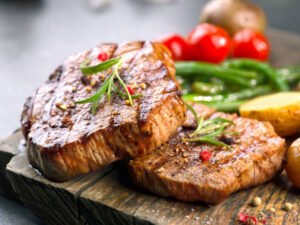
A balanced diet rich in protein is essential for maintaining the health and vitality of both hair and nails. Protein can be obtained from a variety of food sources, including animal-based and plant-based sources. Animal-based proteins such as lean meats, poultry, fish, eggs, and dairy products are excellent sources of complete protein, containing all the essential amino acids necessary for the production of keratin and other proteins vital for hair and nail health.
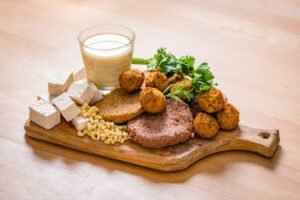
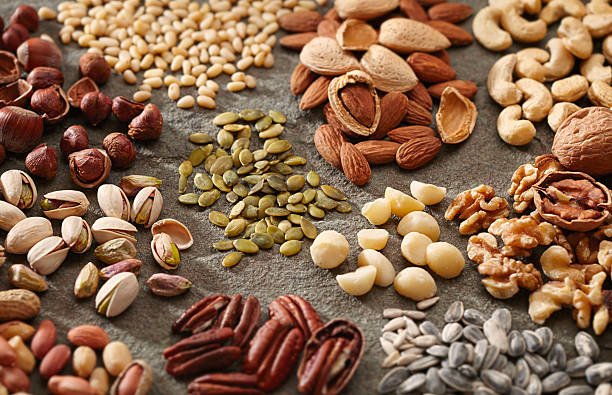
Plant-based sources of protein include legumes such as beans, lentils, and chickpeas, as well as nuts, seeds, and soy products like tofu and tempeh. While plant-based proteins may not always provide all the essential amino acids in the same proportions as animal-based proteins, combining different plant-based protein sources can help ensure a complete amino acid profile. Incorporating a variety of protein-rich foods into the diet not only supports the growth and maintenance of healthy hair and nails but also provides a wide range of other essential nutrients such as vitamins, minerals, and antioxidants.
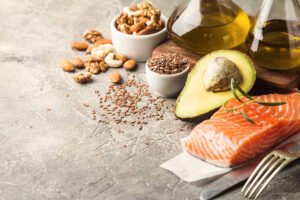
Furthermore, it’s essential to consider the quality of protein consumed for optimal hair and nail care. Choosing lean protein sources such as skinless poultry, fish, and low-fat dairy products can help minimize saturated fat intake, which is important for overall health. Additionally, selecting protein sources rich in vitamins and minerals like iron, zinc, and biotin can further support hair and nail health. Incorporating protein-rich snacks such as Greek yogurt with berries, nuts and seeds, or hummus with vegetables can help maintain steady energy levels throughout the day while providing essential nutrients for healthy hair and nails.
Protein-Rich Diet Recommendations for Optimal Results
To optimize hair and nail health, it’s essential to incorporate protein-rich foods into your daily diet. Aim to include a variety of protein sources in each meal to ensure you’re getting a diverse array of essential amino acids and nutrients necessary for hair and nail growth and maintenance. Start your day with a protein-packed breakfast, such as scrambled eggs with spinach and avocado or Greek yogurt topped with nuts and berries, to provide your body with the fuel it needs to kickstart your metabolism and support hair and nail health.
Throughout the day, incorporate lean protein sources such as grilled chicken, fish, tofu, or lentils into your meals. These protein-rich foods not only provide essential amino acids but also contain important vitamins and minerals like iron, zinc, and biotin, which are vital for healthy hair and nails. Snack on protein-rich foods like hard-boiled eggs, edamame, or cottage cheese with whole-grain crackers to keep hunger at bay and provide your body with sustained energy.
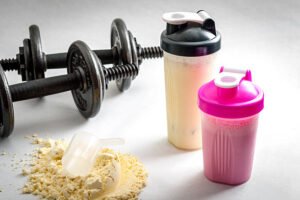
Incorporating protein-rich snacks such as Greek yogurt with berries, nuts and seeds, or hummus with vegetables can help maintain steady energy levels throughout the day while providing essential nutrients for healthy hair and nails. Additionally, consider incorporating protein-rich ingredients into your favorite recipes, such as adding beans or lentils to soups and salads, topping whole-grain toast with nut butter, or enjoying a smoothie made with protein powder, fruits, and vegetables. By prioritizing protein-rich foods in your diet, you can support optimal hair and nail health and promote overall well-being.
Additional Factors Influencing Hair and Nail Health
While protein intake is crucial for maintaining the health of hair and nails, several other factors can also influence their condition. Adequate hydration is essential for maintaining the moisture balance in hair and nails, preventing them from becoming dry and brittle. Drinking plenty of water throughout the day helps hydrate the body from within, promoting healthy hair growth and preventing nail breakage.
Furthermore, vitamins and minerals play a significant role in supporting hair and nail health. Biotin, also known as vitamin B7, is particularly important for promoting hair growth and strengthening nails. Foods rich in biotin include eggs, nuts, seeds, and leafy green vegetables. Additionally, vitamins such as vitamin C and vitamin E help protect hair follicles and nail beds from oxidative damage, while minerals like iron and zinc support the production of keratin and collagen, essential proteins for hair and nail structure.
Moreover, lifestyle factors such as stress management and proper hair and nail care routines also contribute to their overall health. Chronic stress can disrupt the hair growth cycle, leading to increased shedding and thinning of the hair. Practicing relaxation techniques such as meditation, yoga, or deep breathing exercises can help reduce stress levels and support healthy hair and nail growth. Additionally, adopting gentle hair care practices such as using sulfate-free shampoos, avoiding excessive heat styling, and minimizing chemical treatments can help prevent damage to the hair shaft and maintain its integrity.
Similarly, practicing good nail hygiene, such as keeping nails clean and dry, avoiding harsh chemicals, and using moisturizing nail treatments, can help prevent nail infections and promote nail strength and resilience. By considering these additional factors alongside protein intake, individuals can support the overall health and appearance of their hair and nails, ensuring they remain strong, vibrant, and beautiful.
Conclusion
In conclusion, the impact of protein intake on hair and nail health cannot be overstated. Protein serves as the foundation for the structure and resilience of both hair and nails, with keratin playing a central role in their composition. Insufficient protein intake can lead to a range of issues, including brittle nails, dull hair, and increased susceptibility to damage. By prioritizing protein-rich foods in our diet and ensuring adequate hydration and nutrient intake, we can support the growth and maintenance of strong, healthy hair and nails.
I hope this exploration of the importance of protein for hair and nail health serves as a reminder of the interconnectedness between our dietary choices and physical well-being. By nourishing our bodies with the nutrients they need, we can enhance not only the appearance but also the strength and vitality of our hair and nails, ultimately promoting a sense of confidence and well-being.