Are There Any Health Risks Associated with Consuming Too Much Protein?


Are There Any Health Risks Associated with Consuming Too Much Protein?
In this article, we explore the intriguing question: Are there any health risks associated with consuming too much protein? Protein is undeniably essential for the body, serving as a building block for muscles, bones, skin, and other tissues. It plays a crucial role in various bodily functions, including enzyme production, immune system support, and hormone regulation. Consequently, the emphasis on protein-rich diets has surged in recent years, particularly within fitness and health communities, where high-protein regimes are often promoted for muscle building and weight management.
However, while adequate protein intake is vital, consuming excessive amounts may pose potential health risks. Beyond the popular belief that “more is better,” an imbalance in protein consumption can strain the kidneys, potentially leading to kidney damage or dysfunction. Moreover, excessive protein intake may also contribute to nutrient deficiencies, disrupt metabolic processes, and even increase the risk of certain chronic conditions. Thus, it’s imperative to delve deeper into the potential drawbacks of overconsuming protein to make informed dietary choices and safeguard overall health and well-being.
Importance of Protein in Bodily Functions and Tissues
Proteins are essential macronutrients that play a fundamental role in maintaining the structure and function of the human body. They are comprised of amino acids, which are often referred to as the “building blocks” of life. These amino acids are necessary for the synthesis of proteins, which in turn are crucial for the growth, repair, and maintenance of various tissues and organs. For instance, proteins are vital for muscle development, as they provide the necessary amino acids for muscle fiber repair and growth after exercise or injury. Additionally, proteins are integral components of skin, hair, nails, and other connective tissues, contributing to their strength, elasticity, and overall health.
Furthermore, proteins serve numerous essential functions beyond structural support. They act as enzymes, catalysts for biochemical reactions within the body, facilitating processes such as digestion, metabolism, and cellular signaling. Enzymes are responsible for breaking down food into nutrients, synthesizing essential molecules, and regulating various metabolic pathways. Moreover, proteins play a crucial role in the immune system, as antibodies are specialized proteins that help defend the body against harmful pathogens by identifying and neutralizing them. Additionally, certain proteins serve as hormones, signaling molecules that regulate various physiological processes, including growth, reproduction, and metabolism. Overall, the importance of proteins in maintaining optimal health and functioning cannot be overstated.

In summary, proteins are indispensable for the human body, serving as the building blocks of tissues, enzymes, antibodies, and hormones. They play a crucial role in muscle development, tissue repair, metabolic processes, and immune function. Adequate protein intake is essential to support these vital functions and ensure overall health and well-being. However, while protein is essential, it is essential to maintain a balanced diet and avoid excessive consumption, as it may lead to potential health risks, as discussed further in subsequent sections.
Rising Popularity of High-Protein Diets in Health Communities
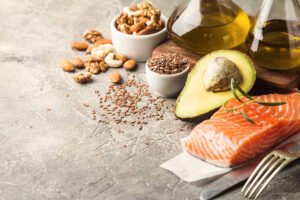
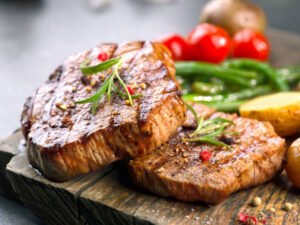
In recent years, high-protein diets have gained widespread popularity, particularly among health and fitness enthusiasts. These diets typically emphasize increased protein intake while moderating carbohydrate and fat consumption. The rationale behind such dietary patterns stems from the belief that higher protein consumption can promote muscle growth, aid in weight loss, and improve overall metabolic health. Consequently, many individuals turn to protein-rich foods such as lean meats, poultry, fish, eggs, dairy products, legumes, and nuts to meet their nutritional needs and achieve their health goals.
Moreover, the popularity of high-protein diets is fueled by various factors, including the proliferation of fitness trends, celebrity endorsements, and the abundance of protein supplements and meal replacement products in the market. Additionally, scientific research highlighting the potential benefits of protein for muscle repair, satiety, and metabolic rate further contributes to the appeal of these dietary approaches. As a result, high-protein diets have become ingrained in mainstream culture, with many people adopting them as a means to optimize their physical performance, body composition, and overall well-being.

However, while high-protein diets may offer certain advantages, it’s essential to approach them with caution and consideration of individual needs and preferences. Not everyone may benefit from or tolerate high levels of protein intake, and excessive consumption can pose health risks, as explored in subsequent sections. Therefore, it’s crucial to strike a balance between protein intake and other macronutrients while ensuring a diverse and nutrient-rich diet to support long-term health and sustainability.
Potential Strain on Kidneys from Excessive Protein Consumption
While protein is crucial for overall health, excessive consumption can potentially strain the kidneys and compromise their function. The kidneys play a vital role in filtering waste products and excess substances from the bloodstream, including nitrogenous waste generated from protein metabolism. When protein intake exceeds the body’s needs, the kidneys must work harder to eliminate the surplus nitrogen, leading to increased renal workload and potential long-term damage.
Moreover, high protein intake can elevate glomerular filtration rate (GFR), which is the rate at which blood is filtered by the kidneys. This increased filtration can put additional stress on the kidneys, potentially leading to renal hypertrophy and dysfunction over time. Individuals with pre-existing kidney conditions or compromised renal function may be particularly susceptible to the adverse effects of excessive protein consumption, exacerbating their condition and increasing the risk of kidney disease progression.

Furthermore, prolonged consumption of high-protein diets may contribute to the formation of kidney stones, as excessive protein intake can lead to higher urinary excretion of calcium, oxalate, and uric acid, which are common components of kidney stones. Additionally, acidic metabolites produced during protein metabolism can alter urine pH, promoting the crystallization of minerals and the formation of stones. Therefore, while protein is essential for various physiological functions, it’s crucial to consume it in moderation and consider individual factors such as kidney health and function to mitigate potential risks.
Risk of Nutrient Deficiencies Due to Imbalanced Protein Intake
While protein is vital for overall health, excessive focus on protein consumption may lead to imbalanced nutrient intake and potential deficiencies. High-protein diets often prioritize protein-rich foods while neglecting other essential nutrients, such as carbohydrates, fats, vitamins, and minerals, necessary for optimal health and well-being. This imbalance can result in micronutrient deficiencies, impacting various bodily functions and potentially compromising overall health.
Moreover, reliance on animal-based protein sources in high-protein diets may exacerbate the risk of nutrient deficiencies, as these foods may lack certain vitamins and minerals found abundantly in plant-based sources. For instance, while meat and dairy products provide ample protein, they may be low in fiber, antioxidants, and phytonutrients found in fruits, vegetables, whole grains, and legumes. Inadequate intake of these nutrient-dense foods can increase the risk of deficiencies in essential nutrients such as fiber, vitamin C, vitamin A, potassium, and magnesium, which are crucial for immune function, cardiovascular health, bone health, and overall vitality.
Furthermore, excessive protein consumption may interfere with nutrient absorption and utilization, as high-protein diets can create an acidic environment in the body, potentially impairing the absorption of certain minerals such as calcium, iron, and zinc. Additionally, some high-protein foods, particularly processed meats and protein supplements, may contain added preservatives, sodium, and unhealthy fats, further compromising nutrient quality and overall dietary balance. Therefore, it’s essential to adopt a holistic approach to nutrition, focusing on a diverse and balanced diet that includes a variety of nutrient-rich foods to meet the body’s requirements for protein and other essential nutrients.
Disruption of Metabolic Processes from Overconsumption
Excessive protein consumption can disrupt various metabolic processes within the body, potentially leading to adverse health outcomes. One such consequence is the increased production of ammonia during protein metabolism. Ammonia is a toxic byproduct that must be converted into urea by the liver and subsequently eliminated by the kidneys. However, when protein intake surpasses the body’s needs, excess ammonia production can overwhelm the liver and kidneys, leading to ammonia buildup in the bloodstream, a condition known as hyperammonemia. Hyperammonemia can have detrimental effects on brain function, causing symptoms such as confusion, lethargy, and even coma in severe cases.
Furthermore, high-protein diets may alter insulin sensitivity and glucose metabolism, potentially increasing the risk of insulin resistance and type 2 diabetes. Excessive protein intake can stimulate the release of insulin and glucagon, hormones involved in regulating blood sugar levels. Chronic elevation of these hormones can disrupt insulin signaling pathways, leading to insulin resistance, impaired glucose uptake by cells, and elevated blood sugar levels over time. Consequently, individuals consuming high-protein diets may be more prone to developing insulin resistance and diabetes, particularly if accompanied by excess calorie intake and sedentary lifestyle habits.
Moreover, prolonged overconsumption of protein may place a strain on the liver, the primary organ responsible for metabolizing and detoxifying dietary proteins. Excessive protein intake can increase the liver’s workload, leading to hepatic stress and potentially impairing liver function over time. Furthermore, high intake of certain types of protein, such as processed meats and animal-derived proteins high in saturated fats, may exacerbate liver inflammation and fatty liver disease, further compromising metabolic health. Therefore, while protein is essential for various physiological processes, moderation is key to maintaining metabolic balance and safeguarding long-term health.
Increased Likelihood of Certain Chronic Health Conditions
Excessive protein consumption has been associated with an increased risk of certain chronic health conditions, including cardiovascular disease. While protein itself is not inherently harmful, the source and context of protein consumption can significantly impact cardiovascular health. High intake of animal-based proteins, particularly those high in saturated fats and cholesterol, has been linked to elevated levels of LDL cholesterol, commonly referred to as “bad” cholesterol, and an increased risk of atherosclerosis and coronary artery disease.
Moreover, high-protein diets may promote inflammation within the body, contributing to the development and progression of chronic inflammatory conditions such as arthritis, inflammatory bowel disease, and autoimmune disorders. Animal-derived proteins, especially processed meats, have been implicated in promoting systemic inflammation due to their high content of pro-inflammatory compounds such as advanced glycation end products (AGEs), heme iron, and saturated fats. Chronic inflammation is a key underlying factor in the pathogenesis of many chronic diseases, highlighting the importance of dietary strategies that mitigate inflammation and promote overall health.
Furthermore, excessive protein consumption may increase the risk of certain cancers, particularly colorectal cancer. High intake of red and processed meats, which are common sources of protein in Western diets, has been consistently linked to an elevated risk of colorectal cancer in epidemiological studies. Processed meats, in particular, contain carcinogenic compounds such as nitrites and nitrosamines, which can damage DNA and promote tumor formation. Therefore, while protein is essential for various physiological functions, it’s crucial to prioritize sources of protein that promote cardiovascular health, mitigate inflammation, and reduce the risk of chronic diseases.
Conclusion
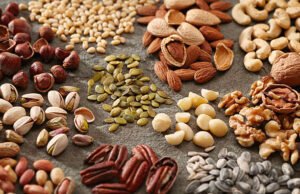
In conclusion, while protein is undeniably essential for bodily functions and tissue repair, it’s crucial to approach consumption with moderation and consideration of overall dietary balance. Excessive protein intake can lead to various health risks, including strain on the kidneys, nutrient deficiencies, metabolic disruptions, and increased susceptibility to certain chronic diseases. Therefore, individuals should strive to incorporate a diverse array of protein sources into their diet, including lean meats, poultry, fish, dairy products, legumes, nuts, and seeds, while also prioritizing nutrient-rich whole foods such as fruits, vegetables, and whole grains.
I hope this exploration of the potential health risks associated with excessive protein consumption serves as a reminder of the importance of balanced nutrition and informed dietary choices. By adopting a holistic approach to nutrition and focusing on overall dietary quality, individuals can optimize their health and well-being while enjoying the benefits of protein as a vital macronutrient in the human diet.