What Are the Differences Between Animal and Plant Protein Sources?

What Are the Differences Between Animal and Plant Protein Sources?
In this article, we will delve into the distinctions between animal and plant protein sources, shedding light on their respective characteristics, nutritional profiles, and potential impacts on human health. Protein serves as a fundamental building block for the human body, essential for muscle growth, tissue repair, and overall cellular function. While both animal and plant-based foods offer protein, they differ significantly in their composition and accompanying nutrients.
Animal protein sources, such as meat, dairy, and eggs, are considered complete proteins, containing all nine essential amino acids necessary for human health. Additionally, they often boast higher concentrations of certain nutrients like vitamin B12, iron, and zinc. On the other hand, plant protein sources, including legumes, grains, nuts, and seeds, offer a variety of health benefits, such as being lower in saturated fat and cholesterol while providing dietary fiber, antioxidants, and phytonutrients. Understanding these differences is crucial for individuals seeking to optimize their diets and make informed choices about protein consumption.
Protein sources: Animal vs. plant-based
Animal and plant-based protein sources offer distinct nutritional profiles and come from different food groups. Animal protein sources primarily include meat, poultry, fish, eggs, and dairy products, while plant-based protein sources encompass legumes, grains, nuts, seeds, and certain vegetables. Animal proteins are often considered “complete” proteins because they contain all nine essential amino acids required by the human body. On the contrary, plant-based proteins may lack one or more essential amino acids individually, but when combined, they can provide a complete amino acid profile. While animal proteins are known for their high-quality protein content, plant-based sources offer a diverse range of nutrients and health-promoting compounds, making both valuable components of a balanced diet.
Animal protein sources, such as meat and dairy, are rich in essential nutrients like vitamin B12, iron, and zinc, which are crucial for various bodily functions. Vitamin B12, primarily found in animal products, is essential for neurological function and the formation of red blood cells. Iron, particularly heme iron found in animal sources, is more readily absorbed by the body compared to non-heme iron from plant sources. Zinc, abundant in meat and seafood, plays a vital role in immune function, wound healing, and DNA synthesis. While these nutrients are predominantly found in animal-derived foods, plant-based sources offer their own set of benefits, including dietary fiber, antioxidants, and phytonutrients.

Consuming a diet rich in animal proteins has been associated with certain health risks, including an increased risk of heart disease, cancer, and diabetes. Some studies suggest that excessive consumption of red and processed meats may contribute to these conditions due to their high saturated fat and cholesterol content. In contrast, plant-based proteins have been linked to various health benefits, such as improved heart health, weight management, and reduced inflammation. Plant foods are typically lower in saturated fat and cholesterol and higher in fiber and antioxidants, which can help lower cholesterol levels, regulate blood sugar, and protect against chronic diseases. By incorporating a balance of both animal and plant-based proteins into the diet, individuals can enjoy a wide range of nutrients while minimizing potential health risks associated with excessive consumption of animal products.
Nutritional composition: Amino acids, vitamins, minerals
Animal protein sources are renowned for their rich nutritional composition, providing high-quality protein along with essential vitamins and minerals. These sources typically contain all nine essential amino acids required by the human body, making them complete proteins. Amino acids are the building blocks of protein and play critical roles in various physiological processes, including muscle repair, immune function, and hormone synthesis. Additionally, animal proteins are excellent sources of vitamins such as B12, which is primarily found in animal-derived foods and is essential for nerve function and DNA synthesis. Furthermore, minerals like iron and zinc, abundant in animal products, are crucial for oxygen transport, immune function, and overall health.
On the other hand, plant-based protein sources offer a diverse array of nutrients, albeit in varying concentrations. While plant proteins may not always provide all essential amino acids individually, consuming a variety of plant foods throughout the day ensures a complete amino acid profile. Plant sources also offer vitamins and minerals, with some notable examples including vitamin C in fruits and vegetables, calcium in leafy greens, and magnesium in nuts and seeds. Additionally, plant foods are rich in phytonutrients, bioactive compounds with antioxidant and anti-inflammatory properties that contribute to overall health and disease prevention. By incorporating a combination of animal and plant-based protein sources into the diet, individuals can access a broad spectrum of essential nutrients necessary for optimal health and well-being.

In terms of nutritional composition, animal and plant-based proteins each offer unique advantages and can complement each other to provide a well-rounded diet. While animal proteins excel in delivering complete proteins along with essential vitamins and minerals like B12, iron, and zinc, plant-based sources offer a diverse array of nutrients, including vitamins, minerals, fiber, and phytonutrients. Both types of proteins play crucial roles in supporting overall health, and incorporating a variety of protein sources from both animal and plant origins ensures a balanced intake of essential nutrients. By understanding the nutritional composition of different protein sources, individuals can make informed dietary choices that promote optimal health and well-being.
Complete proteins: Animal sources’ advantage
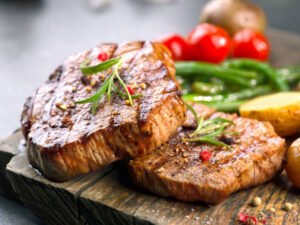
Animal protein sources are often regarded as “complete” proteins because they contain all nine essential amino acids required by the human body in the right proportions. These amino acids cannot be produced by the body and must be obtained through diet. Complete proteins are crucial for various physiological processes, including muscle growth and repair, immune function, and hormone synthesis. Animal products such as meat, poultry, fish, eggs, and dairy are rich sources of complete proteins, making them valuable components of a balanced diet. Consuming adequate amounts of complete proteins ensures that the body receives all essential amino acids necessary for optimal health and well-being.
In addition to providing complete proteins, animal sources offer other nutritional advantages. For instance, they are rich in bioavailable nutrients like vitamin B12, iron, and zinc, which are essential for various bodily functions. Vitamin B12, primarily found in animal-derived foods, plays a critical role in neurological function and red blood cell formation. Iron, particularly heme iron found in animal products, is more readily absorbed by the body compared to non-heme iron from plant sources. Zinc, abundant in meat and seafood, supports immune function, wound healing, and DNA synthesis. These nutrients are essential for overall health and are readily available in animal protein sources.

While animal sources have their advantages, it’s essential to balance their consumption with other nutrient-rich foods to promote overall health. Excessive intake of animal proteins, particularly from sources high in saturated fat and cholesterol, may increase the risk of certain health conditions such as heart disease and cancer. Therefore, incorporating a variety of protein sources from both animal and plant origins ensures a balanced intake of essential nutrients while minimizing potential health risks associated with excessive consumption of animal products. By diversifying the sources of dietary protein, individuals can optimize their nutrient intake and support overall health and well-being.
Plant sources: Diversity, fiber, phytonutrients
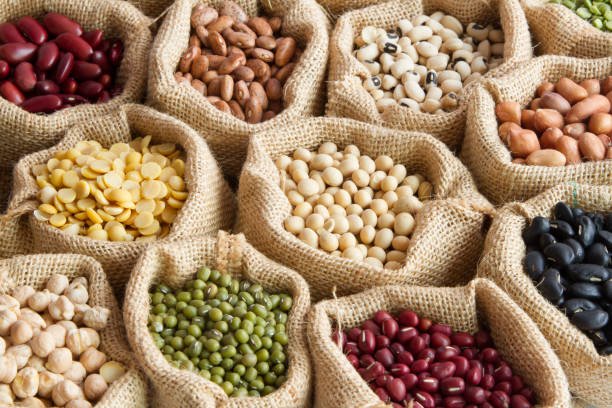
Plant-based protein sources offer a diverse array of options, providing individuals with a wide range of nutrients and health benefits. Legumes, such as beans, lentils, and peas, are excellent sources of plant-based protein and also contain dietary fiber, which aids in digestion and promotes satiety. Additionally, legumes are rich in complex carbohydrates, vitamins, minerals, and phytonutrients, making them a nutritious addition to any diet. Whole grains like quinoa, brown rice, and oats are another source of plant-based protein that offers essential nutrients and fiber. Consuming a variety of whole grains ensures a diverse intake of vitamins, minerals, and antioxidants, supporting overall health and well-being.
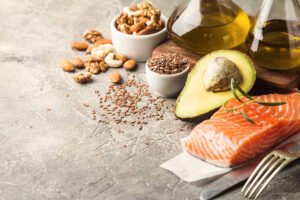
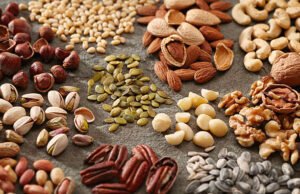
Nuts and seeds are also valuable plant-based protein sources, providing essential fats, vitamins, minerals, and antioxidants. Almonds, walnuts, chia seeds, and flaxseeds are examples of nutrient-dense options that can be easily incorporated into meals and snacks. Additionally, nuts and seeds offer heart-healthy fats, such as omega-3 fatty acids, which have been linked to reduced inflammation and improved cardiovascular health. Incorporating nuts and seeds into the diet can help increase protein intake while providing a range of other health benefits. Furthermore, certain vegetables, such as broccoli, spinach, and Brussels sprouts, also contain protein along with an array of vitamins, minerals, and phytonutrients. Including a variety of vegetables in meals ensures a well-rounded intake of essential nutrients and supports overall health and well-being.
In addition to providing protein, plant-based foods offer numerous health benefits due to their high fiber and phytonutrient content. Dietary fiber is essential for digestive health, regulating bowel movements, and preventing constipation. Additionally, fiber helps control blood sugar levels, promotes satiety, and supports weight management. Plant foods are also rich in phytonutrients, bioactive compounds with antioxidant and anti-inflammatory properties that protect against chronic diseases such as heart disease, diabetes, and cancer. By incorporating a variety of plant-based protein sources into the diet, individuals can access a broad spectrum of nutrients and health-promoting compounds that support overall health and well-being.
Health implications: Saturated fat, cholesterol, antioxidants
The health implications of protein sources extend beyond their nutritional content to their impact on overall well-being. Animal protein sources, particularly red and processed meats, are often associated with higher levels of saturated fat and cholesterol. Diets high in saturated fat and cholesterol have been linked to an increased risk of cardiovascular diseases, including heart disease and stroke. Excessive consumption of animal proteins may also contribute to other health concerns such as obesity, diabetes, and certain types of cancer. Therefore, individuals should be mindful of their intake of animal products and opt for leaner cuts of meat and poultry, as well as incorporate plant-based protein sources to mitigate these risks.
On the contrary, plant-based protein sources offer numerous health benefits, including lower levels of saturated fat and cholesterol. Plant foods are rich in dietary fiber, which helps lower cholesterol levels, regulate blood sugar, and promote satiety. Additionally, plant-based diets have been associated with reduced inflammation and improved cardiovascular health. Antioxidants found in plant foods play a crucial role in neutralizing free radicals and reducing oxidative stress, which can damage cells and contribute to chronic diseases. By incorporating more plant-based protein sources into the diet, individuals can lower their risk of developing diet-related illnesses and promote overall health and well-being.
In summary, the health implications of protein sources depend on various factors, including their nutrient composition and impact on overall health. While animal protein sources may contain higher levels of saturated fat and cholesterol, they also provide essential nutrients like vitamin B12, iron, and zinc. However, excessive consumption of animal proteins may increase the risk of certain health conditions. Plant-based protein sources offer a valuable alternative, providing essential nutrients, fiber, and phytonutrients that support overall health and well-being. By balancing the intake of animal and plant-based protein sources and making informed dietary choices, individuals can optimize their nutrient intake and reduce the risk of chronic diseases associated with poor dietary habits.
Dietary considerations: Balance, preferences, ethical concerns
When considering protein sources, it’s crucial to strike a balance between animal and plant-based options to meet individual nutritional needs and preferences. Some individuals may choose to follow specific dietary patterns for various reasons, including health, environmental concerns, or ethical beliefs. Vegetarian and vegan diets, for instance, exclude animal products entirely and rely solely on plant-based protein sources. These diets can provide adequate nutrition when well-planned but may require careful attention to ensure sufficient intake of essential nutrients such as vitamin B12, iron, calcium, and omega-3 fatty acids.
Furthermore, dietary preferences and cultural factors play a significant role in determining protein sources. Some individuals may have personal preferences for certain types of protein, while others may choose protein sources based on cultural traditions and culinary practices. Additionally, ethical concerns related to animal welfare and environmental sustainability may influence dietary choices. Many people opt for plant-based protein sources due to concerns about animal cruelty in the food industry or the environmental impact of animal agriculture. By aligning dietary choices with personal values and beliefs, individuals can feel more satisfied and empowered in their food choices.
It’s essential to recognize that there is no one-size-fits-all approach to protein consumption, and dietary needs may vary based on individual factors such as age, sex, activity level, and health status. Therefore, it’s essential to consult with a healthcare professional or registered dietitian to determine the most suitable protein sources and dietary patterns to meet specific needs and goals. Additionally, exploring alternative protein sources, such as tofu, tempeh, seitan, and plant-based protein powders, can provide variety and flexibility in meeting protein requirements while catering to different dietary preferences and lifestyles. Ultimately, promoting a balanced and inclusive approach to protein consumption ensures that individuals can enjoy a diverse and nutritious diet that supports overall health and well-being.
Conclusion
In conclusion, understanding the differences between animal and plant protein sources is essential for making informed dietary choices that promote optimal health and well-being. Both animal and plant-based proteins offer unique nutritional profiles, with animal sources providing complete proteins and essential nutrients like vitamin B12, iron, and zinc, while plant sources offer dietary fiber, antioxidants, and phytonutrients. By incorporating a balance of both types of protein into the diet, individuals can access a wide range of nutrients and health benefits while minimizing potential risks associated with excessive consumption of animal products. Furthermore, considering dietary preferences, ethical concerns, and cultural factors allows for a personalized approach to protein consumption that aligns with individual values and beliefs.
I hope this article has provided valuable insights into the importance of diversifying protein sources and considering various factors when making dietary decisions. By prioritizing balance, diversity, and alignment with personal values, individuals can cultivate healthy eating habits that support overall health and contribute to a more sustainable food system for future generations.