How does fast food contribute to obesity?
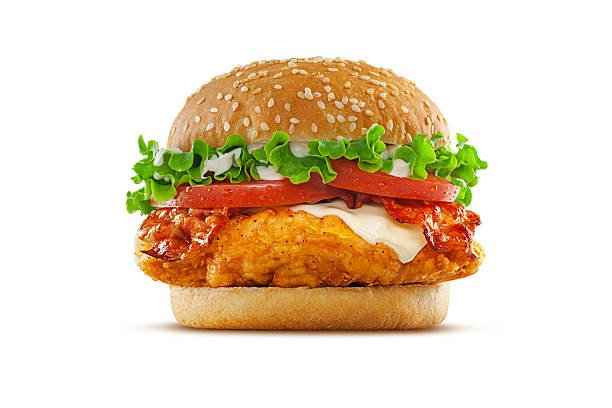

How does fast food contribute to obesity?
In this article, we will delve into the intricate relationship between fast food consumption and the pervasive issue of obesity. Fast food has become an integral part of modern diets, offering convenience and affordability to consumers worldwide. However, its widespread availability and marketing strategies often overshadow the detrimental health consequences associated with its consumption.
Firstly, the high levels of fat, sugar, and calories in fast food items contribute significantly to excessive calorie intake, which can lead to weight gain and ultimately obesity. Moreover, fast food portions tend to be larger than recommended serving sizes, encouraging overeating and exacerbating the problem. Additionally, the addictive nature of fast food, coupled with its accessibility, makes it challenging for individuals to resist frequent indulgence, further perpetuating the cycle of unhealthy eating habits. In the following sections, we will explore the specific mechanisms through which fast food consumption fuels the obesity epidemic and discuss potential strategies to mitigate its adverse effects on public health.
Fast food’s high fat, sugar, and calorie content:
Fast food is notorious for its high levels of fat, sugar, and calories, which significantly contribute to the obesity epidemic. These foods are often laden with unhealthy fats, such as trans fats and saturated fats, which can raise cholesterol levels and increase the risk of heart disease. Moreover, the excessive sugar content in many fast food items can lead to spikes in blood sugar levels, followed by crashes, promoting cravings and overeating. Additionally, the calorie density of fast food is much higher compared to homemade meals, making it easy to consume large amounts of calories in a single sitting. This combination of high fat, sugar, and calorie content creates a perfect storm for weight gain and obesity, particularly when consumed regularly as part of a habitual diet.
Furthermore, the convenience and affordability of fast food often make it a tempting option for individuals with busy lifestyles or limited financial resources. However, the convenience factor comes at a significant cost to one’s health, as fast food tends to prioritize taste and convenience over nutritional value. Many popular fast food items are highly processed and lack essential nutrients such as fiber, vitamins, and minerals. Instead, they are packed with empty calories that provide little to no nutritional benefit, further contributing to weight gain and nutrient deficiencies. Thus, while fast food may offer a quick and easy meal solution, its detrimental effects on health cannot be overlooked.

Despite growing awareness of the health risks associated with fast food consumption, its popularity continues to soar worldwide. This can be attributed in part to aggressive marketing tactics employed by fast food companies, which often target vulnerable populations such as children and adolescents. Through clever advertising campaigns, fast food chains promote their products as desirable and irresistible, creating a sense of urgency and excitement around their consumption. Additionally, the widespread availability of fast food outlets in urban areas and along major transportation routes makes it difficult for individuals to avoid these tempting options. As a result, many people find themselves regularly succumbing to the convenience and allure of fast food, further perpetuating the cycle of obesity and poor dietary habits.
Influence of large portion sizes on overeating habits:
The prevalence of large portion sizes in fast food establishments has a profound influence on overeating habits and contributes significantly to the obesity epidemic. Many fast food restaurants offer value meals and combo deals that include oversized portions of food and beverages at a relatively low cost. This encourages customers to consume more calories than they actually need in a single meal. Research has shown that individuals tend to eat more when presented with larger portion sizes, regardless of their hunger levels, leading to increased calorie intake and weight gain over time.
Moreover, the “supersizing” phenomenon, popularized by fast food chains in the late 20th century, has further exacerbated the issue of portion distortion. By offering customers the option to upgrade their meals to larger sizes for a nominal fee, fast food companies capitalize on the desire for better value and perceived savings. However, this practice normalizes the consumption of excessive amounts of food, making it seem socially acceptable to indulge in oversized portions. As a result, individuals may develop distorted perceptions of appropriate portion sizes, leading to overeating not only at fast food restaurants but also in other settings such as home-cooked meals and dining out at traditional restaurants.

Furthermore, the psychological factors associated with large portion sizes play a significant role in overeating habits. The “clean plate” mentality, instilled in many from childhood, encourages individuals to finish everything on their plates, regardless of portion size. This mindset can be particularly problematic when faced with oversized servings at fast food establishments, as individuals may feel compelled to consume more food than they actually need in order to avoid wasting it. Additionally, the visual cues provided by large portion sizes can override feelings of satiety, leading individuals to continue eating even when they are already full. Overall, the influence of large portion sizes on overeating habits underscores the importance of portion control and mindful eating practices in combating obesity.
Addictive nature and frequent consumption patterns:
Fast food’s addictive nature and the frequency of its consumption contribute significantly to the obesity crisis, posing a serious challenge to public health efforts. Fast food is designed to be palatable, convenient, and satisfying, often containing high levels of fat, sugar, salt, and flavor enhancers that trigger pleasure centers in the brain. This can lead to cravings and compulsive overeating, akin to addictive behaviors observed with substances like drugs and alcohol. The combination of convenience, affordability, and hedonic appeal makes fast food an appealing choice for many individuals, leading to habitual consumption patterns that can be difficult to break.
Moreover, the ubiquity of fast food outlets and aggressive marketing strategies further reinforces its addictive nature and encourages frequent consumption. In many urban areas, fast food restaurants are readily accessible and open 24/7, making it easy for individuals to satisfy cravings at any time of day or night. Additionally, fast food companies invest heavily in advertising campaigns that target vulnerable populations, including children and adolescents, further normalizing and glamorizing fast food consumption. The constant bombardment of enticing advertisements through various media channels cultivates a culture of dependency on fast food, perpetuating unhealthy eating habits and contributing to the rising rates of obesity.

Furthermore, the physiological effects of frequent fast food consumption can exacerbate addictive behaviors and promote weight gain. Research has shown that regular consumption of high-fat, high-sugar foods can lead to changes in brain chemistry, increasing tolerance and reinforcing cravings over time. This creates a vicious cycle of dependence on fast food to satisfy cravings and achieve feelings of pleasure and satisfaction. Additionally, habitual consumption of fast food can disrupt normal hunger and satiety cues, making it difficult for individuals to regulate their food intake and leading to excessive calorie consumption. Overall, the addictive nature and frequent consumption patterns associated with fast food pose significant challenges to individuals striving to maintain a healthy weight and lifestyle.
Impact on excessive calorie intake and weight gain:
Fast food’s impact on excessive calorie intake and subsequent weight gain is a critical aspect of the obesity epidemic. Many fast food items are calorie-dense, meaning they contain a high number of calories relative to their serving size. This makes it easy for individuals to consume large amounts of calories in a single meal, often without realizing it. Furthermore, fast food meals are often accompanied by sugary drinks and high-calorie sides, further increasing the overall calorie content of the meal. As a result, frequent consumption of fast food can quickly lead to an imbalance between calorie intake and expenditure, ultimately contributing to weight gain and obesity.
Moreover, the high fat and sugar content of many fast food items can disrupt metabolic processes and promote fat storage in the body. Diets high in saturated and trans fats have been linked to increased levels of LDL cholesterol and triglycerides, which are risk factors for cardiovascular disease and obesity-related conditions. Similarly, excessive sugar consumption can lead to insulin resistance and metabolic dysfunction, further exacerbating weight gain and increasing the risk of chronic diseases such as type 2 diabetes. Thus, the cumulative effect of consuming fast food regularly can have profound implications for overall health and well-being.
Additionally, the convenience and affordability of fast food make it a convenient option for many individuals, especially those with busy lifestyles or limited access to healthy alternatives. However, the short-term benefits of convenience and taste must be weighed against the long-term consequences of excessive calorie intake and weight gain. As rates of obesity continue to rise worldwide, it is imperative that individuals make informed choices about their dietary habits and prioritize whole, nutrient-dense foods over processed and calorie-laden fast food options. By recognizing the impact of fast food on excessive calorie intake and weight gain, individuals can take proactive steps to improve their health and mitigate the risk of obesity-related complications.
Role of fast food marketing in shaping dietary choices:
The role of fast food marketing is significant in shaping dietary choices and influencing consumer behavior, particularly among vulnerable populations such as children and adolescents. Fast food companies invest billions of dollars each year in advertising campaigns that promote their products as desirable, convenient, and affordable options for meals and snacks. These marketing efforts often target young audiences through various channels, including television, social media, and online gaming platforms, where children are exposed to enticing advertisements that glamorize fast food consumption.
Moreover, fast food marketing tactics often utilize persuasive techniques such as catchy slogans, colorful imagery, and celebrity endorsements to appeal to consumers’ emotions and create positive associations with their brands. By leveraging these tactics, fast food companies can influence consumers’ perceptions and attitudes towards their products, making them more likely to choose fast food over healthier alternatives. Additionally, promotional offers and discounts further incentivize consumers to purchase fast food, reinforcing the idea that it is an accessible and affordable option for meals and snacks.
Furthermore, fast food marketing can shape dietary preferences and consumption patterns from an early age, influencing lifelong habits and contributing to the obesity epidemic. Studies have shown that exposure to fast food advertising is associated with higher consumption of fast food and sugary beverages among children and adolescents, leading to poor dietary choices and increased risk of obesity-related health problems. As such, efforts to regulate fast food marketing, especially targeted towards young audiences, are crucial in promoting healthier dietary habits and combating the obesity epidemic. By raising awareness of the manipulative tactics used by fast food companies and empowering consumers to make informed choices, policymakers and public health advocates can help mitigate the influence of fast food marketing on dietary choices and improve overall health outcomes.
Strategies to mitigate fast food’s contribution to obesity:
Mitigating fast food’s contribution to obesity requires a multifaceted approach that addresses various aspects of the issue, including public policy, education, and community initiatives. One effective strategy is to implement policies that promote healthier food environments, such as zoning regulations that limit the proliferation of fast food outlets in low-income neighborhoods and near schools. Additionally, policymakers can implement measures such as menu labeling requirements and restrictions on marketing unhealthy foods to children to empower consumers to make more informed choices about their diets.
Education plays a crucial role in combating fast food-related obesity by raising awareness about the health risks associated with excessive fast food consumption and promoting the importance of balanced nutrition. Schools can incorporate nutrition education into their curriculum, teaching students about the benefits of whole, nutrient-dense foods and the consequences of consuming too much fast food. Similarly, community-based initiatives, such as cooking classes and community gardens, can empower individuals and families to make healthier food choices and develop cooking skills that promote home-cooked meals over fast food.
Furthermore, collaborations between government agencies, public health organizations, and the food industry are essential for implementing effective strategies to mitigate fast food’s contribution to obesity. By working together to promote healthier food options, improve food labeling, and support initiatives that increase access to fresh, affordable foods in underserved communities, stakeholders can create environments that make it easier for individuals to make healthier choices. Additionally, leveraging technology and social media platforms to disseminate nutrition information and promote healthy eating habits can further support efforts to mitigate fast food-related obesity on a broader scale.
Conclusion
In conclusion, the pervasive presence of fast food in modern society significantly contributes to the obesity epidemic through its high fat, sugar, and calorie content, large portion sizes, addictive nature, and aggressive marketing tactics. The impact of excessive fast food consumption extends beyond individual health outcomes, affecting public health on a global scale. To address this pressing issue, concerted efforts are needed from policymakers, educators, healthcare professionals, and communities alike. By implementing policies that promote healthier food environments, increasing nutrition education and awareness, and fostering collaborations between stakeholders, we can begin to mitigate the harmful effects of fast food on obesity rates. Furthermore, empowering individuals to make informed dietary choices and advocating for greater access to fresh, nutritious foods is crucial in promoting long-term health and well-being for future generations.
I hope that through collective action and a renewed commitment to prioritizing health over convenience, we can create a world where fast food no longer dominates our diets and obesity rates decline. By recognizing the role of fast food in fueling the obesity epidemic and taking proactive steps to address it, we can build healthier communities and improve the quality of life for all.