How do street food vendors maintain hygiene standards?

How do street food vendors maintain hygiene standards?
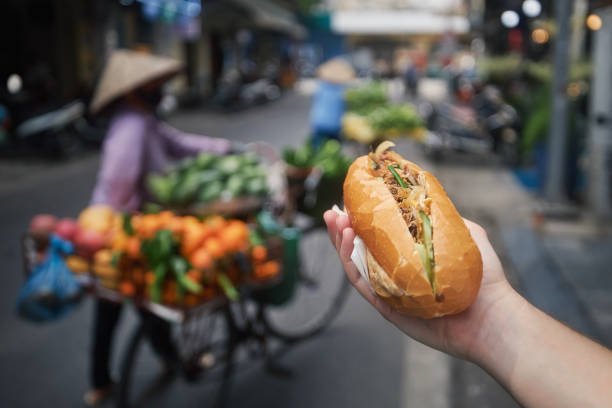
In this article, we delve into the intriguing world of street food vendors and their commitment to maintaining high hygiene standards amidst the bustling and dynamic environment of street markets. Street food, often celebrated for its rich flavors and cultural diversity, presents a unique challenge when it comes to hygiene. Despite operating in open-air settings, street food vendors must adhere to stringent cleanliness protocols to ensure the safety and well-being of their customers.
Amidst the aromatic wafts of sizzling meats and exotic spices, street food vendors employ a variety of techniques to uphold hygiene standards. From frequent handwashing to meticulous cleaning of cooking utensils and surfaces, these vendors prioritize cleanliness as a cornerstone of their operations. Additionally, many vendors invest in quality ingredients and employ proper food storage practices to minimize the risk of contamination. Through their dedication to hygiene, street food vendors not only preserve the integrity of their dishes but also cultivate trust and loyalty among their patrons.
Handwashing Protocols and Frequency
Handwashing is paramount in maintaining hygiene standards for street food vendors. Vendors must establish clear protocols outlining when and how often hands should be washed to prevent the spread of harmful bacteria and viruses. Typically, vendors are required to wash their hands before handling food, after handling raw ingredients, after touching money or other potentially contaminated surfaces, and after using the restroom. This ensures that any pathogens present on the hands are effectively removed, reducing the risk of contamination in the food.
Furthermore, the frequency of handwashing should be emphasized to vendors. In the bustling environment of street markets, vendors may handle various items and interact with numerous customers throughout the day. Therefore, it is essential for vendors to wash their hands regularly, ideally every 30 minutes to one hour, even if they haven’t directly handled food or touched potentially contaminated surfaces. This proactive approach minimizes the likelihood of cross-contamination and helps maintain a safe and hygienic food preparation environment.

Additionally, the proper technique for handwashing should be emphasized to ensure its effectiveness. Vendors should use soap and warm water, scrubbing all surfaces of their hands, including between fingers and under nails, for at least 20 seconds. This thorough scrubbing helps to dislodge and remove any dirt, bacteria, or viruses present on the hands. Moreover, the availability of handwashing facilities, such as hand sinks with running water and soap, should be ensured at street food stalls to facilitate frequent handwashing among vendors. By strictly adhering to handwashing protocols and maintaining a high frequency of handwashing, street food vendors can significantly reduce the risk of foodborne illnesses and uphold hygiene standards.
Cleaning of Cooking Utensils and Surfaces
Maintaining clean cooking utensils and surfaces is essential for preventing cross-contamination and ensuring food safety in street food preparation. Vendors should establish regular cleaning schedules to sanitize utensils and surfaces throughout the day. After each use, cooking utensils such as knives, cutting boards, and cooking pans should be thoroughly washed with hot, soapy water to remove any food residues and bacteria. Additionally, surfaces where food is prepared, such as countertops and tables, should be cleaned and sanitized frequently to prevent the buildup of harmful microorganisms.
Moreover, the use of separate utensils and surfaces for handling raw and cooked foods is crucial to avoid cross-contamination. Vendors should designate specific areas and utensils for preparing raw ingredients, such as meat and vegetables, and separate ones for handling cooked foods to minimize the risk of bacterial transfer. Color-coded cutting boards or utensils can be employed to differentiate between raw and cooked food preparation areas, further reducing the likelihood of contamination.

Furthermore, vendors should utilize approved sanitizers or disinfectants to effectively eliminate germs on cooking utensils and surfaces. These sanitizing agents should be applied according to manufacturer instructions and allowed sufficient contact time to ensure their efficacy. Regular inspection of utensils and surfaces for cleanliness is also important to identify any areas that may require additional cleaning or sanitizing. By implementing rigorous cleaning practices for cooking utensils and surfaces, street food vendors can
maintain a safe and hygienic environment for food preparation, minimizing the risk of foodborne illnesses for their customers.
Proper Waste Disposal and Management
Effective waste disposal and management practices are crucial for maintaining cleanliness and preventing contamination in street food environments. Street food vendors must establish procedures for the proper disposal of food waste, packaging materials, and other refuse generated during food preparation and service. This involves providing designated waste bins or containers for different types of waste, such as organic, recyclable, and non-recyclable materials, to facilitate efficient sorting and disposal.
Furthermore, vendors should regularly empty waste bins to prevent overflow and minimize the risk of attracting pests and vermin. Waste disposal areas should be kept clean and free of debris to prevent odors and potential contamination of food preparation areas. Additionally, vendors should adhere to local regulations regarding waste disposal and ensure compliance with sanitation standards set by health authorities.

Moreover, vendors can adopt eco-friendly practices to minimize waste generation and promote sustainability. This may include using biodegradable or compostable packaging materials, such as paper or plant-based containers, instead of plastic. Vendors can also explore options for recycling or repurposing food waste, such as composting organic scraps for use as fertilizer. By implementing proper waste disposal and management practices, street food vendors can create a clean and hygienic environment for food preparation and service, enhancing the overall dining experience for their customers.
Implementation of Food Safety Training for Staff
Ensuring that staff members are well-trained in food safety practices is paramount for maintaining hygiene standards in street food establishments. Vendors should provide comprehensive training programs covering topics such as proper handwashing techniques, safe food handling procedures, temperature control, and sanitation practices. This training equips staff with the knowledge and skills necessary to prevent foodborne illnesses and maintain a hygienic food preparation environment.
Additionally, vendors should conduct regular refresher courses to reinforce food safety protocols and update staff members on any new regulations or best practices. Training sessions can be conducted both in-person and through online modules to accommodate different learning styles and schedules. Moreover, vendors should appoint designated food safety supervisors or managers responsible for overseeing compliance with food safety protocols and conducting routine inspections.
Furthermore, vendors can encourage a culture of accountability and awareness among staff members by promoting open communication and teamwork. Staff should feel comfortable reporting any concerns or observations regarding food safety practices to management, fostering a collaborative approach to maintaining hygiene standards. Additionally, vendors can incentivize and recognize staff members who demonstrate exemplary adherence to food safety protocols, further emphasizing the importance of maintaining hygiene standards in street food operations. By prioritizing food safety training for staff, street food vendors can ensure a safe and sanitary dining experience for their customers, building trust and loyalty in their brand.
Regular Inspections and Adherence to Local Regulations
Street food vendors must undergo regular inspections by health authorities to ensure compliance with local regulations and hygiene standards. These inspections typically cover various aspects of food handling, storage, preparation, and cleanliness. Vendors should proactively prepare for inspections by conducting self-assessments and addressing any potential issues or deficiencies identified.
Moreover, vendors should maintain detailed records of their food safety practices, including temperature logs, cleaning schedules, and staff training documentation. These records serve as evidence of compliance during inspections and help demonstrate a commitment to maintaining hygiene standards. Additionally, vendors should stay informed about any updates or changes to local regulations pertaining to food safety and hygiene, ensuring timely implementation of necessary adjustments to their operations.
Furthermore, vendors can collaborate with health authorities to seek guidance and support in maintaining hygiene standards. Health inspectors can provide valuable feedback and recommendations for improving practices and addressing areas of concern. Vendors should view inspections as an opportunity to learn and enhance their operations rather than as a mere regulatory requirement. By prioritizing regular inspections and adherence to local regulations, street food vendors can ensure the safety and satisfaction of their customers while maintaining the integrity of their businesses.
Conclusion
In conclusion, the maintenance of hygiene standards among street food vendors is paramount for ensuring the safety and satisfaction of consumers. Through meticulous adherence to handwashing protocols, regular cleaning of cooking utensils and surfaces, sourcing high-quality ingredients, proper waste disposal, comprehensive staff training, and adherence to local regulations, vendors can uphold hygiene standards effectively. These efforts not only mitigate the risk of foodborne illnesses but also contribute to the overall reputation and success of street food businesses.
I hope that this exploration of hygiene practices in the street food industry serves as a reminder of the dedication and diligence required to provide safe and delicious food to consumers. By prioritizing hygiene, street food vendors not only protect public health but also uphold the rich culinary traditions and cultural diversity celebrated in street food markets worldwide. Let us continue to support and patronize vendors who prioritize hygiene standards, ensuring that every street food experience is a delightful and safe culinary adventure.