How Much Protein is in a Single Serving of Chicken Breast?

How Much Protein is in a Single Serving of Chicken Breast?
In this article, we delve into a fundamental question for health-conscious individuals and fitness enthusiasts alike: How much protein is packed into a single serving of chicken breast? Chicken breast has long been hailed as a staple protein source due to its lean nature and versatility in various culinary dishes. Understanding the protein content in this popular meat can aid in meal planning, weight management, and muscle building endeavors.
Firstly, we’ll explore the nutritional profile of chicken breast, highlighting its protein content alongside other essential nutrients. Additionally, we’ll discuss the significance of protein intake in a balanced diet, emphasizing its role in supporting muscle growth, repair, and overall health. By uncovering the protein content of chicken breast and its implications, readers can make informed dietary choices tailored to their nutritional needs and fitness goals.
Chicken Breast’s Protein Content and Nutritional Value Breakdown
Chicken breast is renowned for its high protein content and impressive nutritional profile. A typical serving of boneless, skinless chicken breast weighing around 3 ounces provides approximately 26 grams of protein, making it an excellent protein source for individuals aiming to meet their daily requirements. Not only is chicken breast rich in protein, but it also offers essential vitamins and minerals such as niacin, vitamin B6, phosphorus, and selenium. These nutrients play crucial roles in energy metabolism, immune function, and bone health, further enhancing the nutritional value of chicken breast.
Protein serves as the building blocks for various tissues in the body, including muscles, skin, and organs. Chicken breast boasts a high-quality protein profile, meaning it contains all nine essential amino acids that the body cannot produce on its own and must obtain from dietary sources. This makes chicken breast a complete protein source, promoting muscle repair and growth, aiding in weight management, and supporting overall health. Additionally, the relatively low fat content in chicken breast compared to other cuts of meat makes it an ideal choice for those seeking lean protein options.

When considering the nutritional breakdown of chicken breast, it’s essential to acknowledge the impact of portion size and cooking methods. While chicken breast is naturally low in fat, the addition of oils or sauces during cooking can increase its calorie and fat content. Opting for lean cooking methods such as grilling, baking, or broiling can help preserve the protein content and minimize added fats. Furthermore, being mindful of portion sizes ensures that you’re consuming an appropriate amount of protein without exceeding your daily calorie intake. By understanding the protein content and nutritional breakdown of chicken breast, individuals can make informed dietary choices to support their health and fitness goals.
Importance of Protein Intake for Muscle Growth and Repair
Protein intake plays a pivotal role in facilitating muscle growth and repair, making it essential for individuals engaged in regular exercise and physical activity. When we engage in strength training or endurance exercises, we create micro-tears in our muscle fibers. Protein is instrumental in repairing these tears and promoting muscle recovery, ultimately leading to muscle growth and strength gains. Adequate protein consumption also helps to maintain muscle mass during periods of calorie restriction or weight loss, preventing muscle breakdown and preserving metabolic rate.
Moreover, protein serves as a key component of enzymes, hormones, and antibodies, contributing to various physiological processes beyond muscle repair. Enzymes, for example, facilitate biochemical reactions in the body, while hormones regulate metabolism and cell signaling. Antibodies are essential for immune function, helping to defend the body against pathogens and infections. By consuming sufficient protein, individuals can support not only their muscle health but also overall bodily functions and immune system resilience.

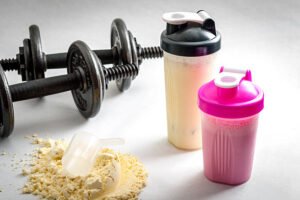
To optimize muscle growth and repair, it’s crucial to distribute protein intake evenly throughout the day, rather than consuming large amounts in one sitting. This ensures a steady supply of amino acids for muscle synthesis and repair processes. Additionally, pairing protein-rich foods with carbohydrates post-exercise can enhance muscle glycogen replenishment and promote recovery. Examples of protein-rich post-workout snacks include chicken breast with sweet potatoes, Greek yogurt with berries, or a protein shake blended with fruit. By prioritizing protein intake and adopting smart nutritional strategies, individuals can maximize their exercise performance, accelerate muscle recovery, and achieve their fitness goals more effectively.
Comparisons with Other Protein Sources for Dietary Planning
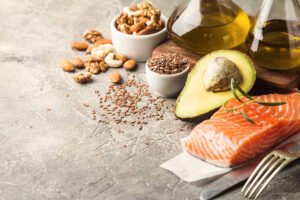
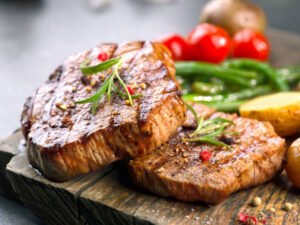
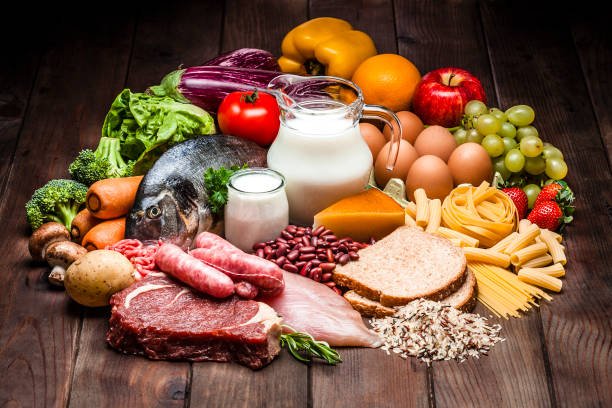
When planning your diet, it’s essential to consider various protein sources and their nutritional profiles to ensure you meet your dietary needs effectively. While chicken breast is a popular choice for its high protein content and lean nature, it’s beneficial to compare it with other protein sources to diversify your nutrient intake and culinary options. For example, lean cuts of beef, such as sirloin or tenderloin, offer comparable protein content to chicken breast but may contain slightly more fat and calories. Fish, such as salmon or tuna, provide not only protein but also heart-healthy omega-3 fatty acids, making them an excellent choice for overall health.
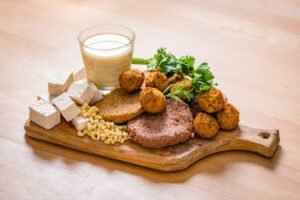
Additionally, plant-based protein sources like beans, lentils, tofu, and quinoa offer alternatives for individuals following vegetarian or vegan diets. These plant-based proteins can be just as nutritious as animal-derived proteins when combined strategically to provide all essential amino acids. Moreover, incorporating a variety of protein sources into your diet ensures you receive a wide array of nutrients, including vitamins, minerals, and antioxidants. This approach promotes overall health and may reduce the risk of nutrient deficiencies associated with a limited diet.
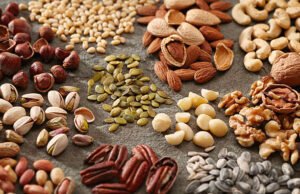
Furthermore, considering the environmental and ethical implications of different protein sources can also inform dietary choices. Sustainable options such as legumes, nuts, and seeds generally have a lower environmental footprint compared to animal-derived proteins. By diversifying protein sources and considering factors such as nutritional content, environmental impact, and personal preferences, individuals can create balanced and sustainable diets that support their health and align with their values.
Serving Size Variations and Protein Content Adjustments
Understanding serving sizes and protein content variations is crucial for accurately assessing your dietary intake and meeting your nutritional needs. While a standard serving of chicken breast is typically around 3 ounces, it’s essential to recognize that protein content can vary based on factors such as the cut of meat, cooking method, and portion size. For example, bone-in chicken breast may contain slightly less protein per ounce compared to boneless varieties due to the inclusion of bone weight. Additionally, marinating or seasoning chicken breast can add negligible calories and protein content, but high-fat sauces or coatings may significantly alter its nutritional profile.
Furthermore, portion sizes play a significant role in protein intake. While a 3-ounce serving of chicken breast provides approximately 26 grams of protein, consuming larger portions will naturally increase protein intake accordingly. This flexibility allows individuals to adjust their protein intake based on their dietary goals and energy needs. However, it’s essential to maintain portion control to prevent excessive calorie consumption, particularly if weight management is a concern. Incorporating a variety of protein sources and balancing them with other macronutrients ensures a well-rounded diet that meets nutritional requirements without overindulging in any particular food group.

Moreover, considering protein content adjustments in meal planning can help individuals achieve specific dietary objectives, such as weight loss or muscle gain. For those aiming to reduce calorie intake while maintaining satiety and muscle mass, opting for lean protein sources like chicken breast can be advantageous. On the other hand, individuals seeking to increase muscle mass or support intense physical activity may benefit from higher protein intake and incorporating protein-rich foods into each meal. By understanding serving size variations and protein content adjustments, individuals can tailor their diet to align with their health and fitness goals effectively.
Impact of Cooking Methods on Protein Retention
The way we cook chicken breast can significantly impact its protein retention and overall nutritional quality. Certain cooking methods preserve more protein than others while enhancing flavor and texture. Grilling, baking, and broiling are considered healthier cooking techniques as they require minimal added fats and help retain the chicken breast’s natural protein content. These dry-heat methods allow excess moisture to evaporate, concentrating the protein per serving and creating a delicious, caramelized exterior without sacrificing nutritional value.
Conversely, frying or deep-frying chicken breast in oil can increase its calorie and fat content, potentially overshadowing its protein benefits. While pan-frying may add flavor and tenderness, excessive oil absorption can diminish the chicken breast’s nutritional profile. However, opting for healthier cooking oils such as olive oil or avocado oil and practicing moderation can mitigate this issue. Additionally, poaching or steaming chicken breast preserves moisture and tenderness while minimizing added fats, making them suitable options for those prioritizing health and nutrition.
Moreover, marinating chicken breast before cooking can influence protein retention and flavor absorption. Acidic marinades containing ingredients like lemon juice, vinegar, or yogurt can tenderize the meat and enhance its flavor without compromising protein content. Similarly, dry rubs or spice blends can add depth of flavor without introducing additional calories or fat. By choosing cooking methods that prioritize protein retention and experimenting with flavor-enhancing techniques, individuals can enjoy delicious and nutritious chicken breast dishes while reaping the full benefits of its protein content.
Practical Tips for Incorporating Chicken Breast into a Balanced Diet
Incorporating chicken breast into a balanced diet requires strategic meal planning and preparation to ensure nutritional variety and satiety. One practical tip is to batch cook chicken breast at the beginning of the week, preparing several portions to use in various meals. This saves time during busy weekdays and allows for easy integration into salads, wraps, stir-fries, or grain bowls. By having pre-cooked chicken breast on hand, individuals can streamline meal preparation while ensuring a consistent intake of lean protein throughout the week.
Another useful strategy is to experiment with different flavor profiles and seasoning combinations to keep chicken breast meals exciting and enjoyable. Whether marinating in a tangy barbecue sauce, seasoning with aromatic herbs and spices, or incorporating ethnic-inspired marinades, there are endless possibilities to add flavor to chicken breast dishes. Pairing chicken breast with a variety of vegetables, whole grains, and healthy fats further enhances its nutritional value and creates well-rounded, satisfying meals.
Additionally, incorporating chicken breast into meal prep staples such as soups, stews, and casseroles allows for versatile and convenient meal options that can be enjoyed throughout the week. By combining chicken breast with nutrient-rich ingredients like vegetables, legumes, and whole grains, individuals can create hearty, balanced meals that provide essential nutrients and support overall health. Planning ahead and diversifying chicken breast recipes ensures dietary variety and adherence to nutritional goals, making it a valuable addition to a balanced diet.
Conclusion
In conclusion, understanding the protein content and nutritional value of chicken breast is essential for maintaining a balanced and healthy diet. Its high protein content, coupled with its versatility and lean nature, makes it a valuable addition to meals for individuals aiming to meet their dietary and fitness goals. By incorporating chicken breast into various recipes and meal plans, individuals can enjoy a delicious and nutrient-dense source of protein while supporting muscle growth, repair, and overall health.
I hope this exploration of chicken breast’s protein content and its role in a balanced diet has provided valuable insights into optimizing nutritional intake and meal planning strategies. Whether grilled, baked, or incorporated into a flavorful stir-fry, chicken breast offers a convenient and nutritious protein option for individuals seeking to prioritize their health and well-being. With mindful consideration of cooking methods, portion sizes, and flavor enhancements, integrating chicken breast into a balanced diet can contribute to achieving dietary goals and fostering long-term health outcomes.