What Are the Best Sources of Protein in a Vegetarian Diet?

What Are the Best Sources of Protein in a Vegetarian Diet?
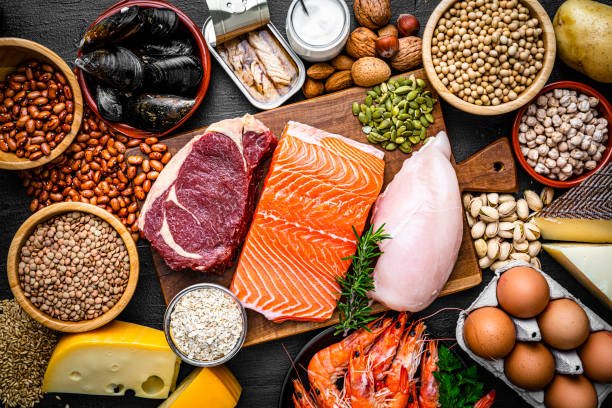
In this article, we will explore the diverse array of protein sources available to those following a vegetarian diet. With the increasing popularity of plant-based lifestyles, understanding the best sources of protein becomes essential for maintaining a balanced and nutritious diet. Contrary to common misconceptions, vegetarians have ample options to meet their protein needs without relying on animal products.
Firstly, legumes stand out as a cornerstone of vegetarian protein sources. Beans, lentils, and chickpeas are not only rich in protein but also offer a range of essential nutrients, including fiber, vitamins, and minerals. Additionally, nuts and seeds emerge as versatile protein-packed options, providing not only protein but also healthy fats crucial for overall well-being. By incorporating these plant-based protein sources into their meals, vegetarians can easily meet their nutritional requirements and enjoy a varied and satisfying diet.
Legumes: Beans, Lentils, Chickpeas – Rich Protein Sources
Legumes are a powerhouse of nutrients, particularly protein, making them a cornerstone of vegetarian diets. Beans, lentils, and chickpeas offer a substantial amount of protein per serving, making them essential for meeting daily protein requirements. For instance, a cup of cooked black beans contains around 15 grams of protein, while the same amount of lentils provides approximately 18 grams. Chickpeas, commonly used in hummus and curries, boast a protein content of about 14 grams per cup. Not only are legumes rich in protein, but they also offer a variety of essential vitamins, minerals, and dietary fiber, contributing to overall health and well-being.
Moreover, legumes are incredibly versatile and can be incorporated into a wide range of dishes, from soups and stews to salads and wraps. Their adaptability allows for creativity in the kitchen, ensuring that vegetarians have plenty of delicious options to choose from. For example, black bean burgers and lentil-based meatballs are popular alternatives to traditional meat dishes, offering a satisfying texture and flavor profile. Additionally, chickpeas can be roasted for a crunchy snack or pureed into a creamy dip, providing a nutritious and flavorful addition to any meal.

Furthermore, legumes offer numerous health benefits beyond their protein content. Research has shown that regularly consuming legumes may help reduce the risk of chronic diseases such as heart disease, diabetes, and certain types of cancer. Their high fiber content promotes digestive health and helps regulate blood sugar levels, making them particularly beneficial for individuals with diabetes. Additionally, legumes are low in fat and cholesterol, making them heart-healthy choices for those looking to improve their cardiovascular health. Overall, incorporating a variety of legumes into a vegetarian diet can contribute to overall health and well-being.
Nuts & Seeds: Versatile, Protein-Packed, Healthy Fats
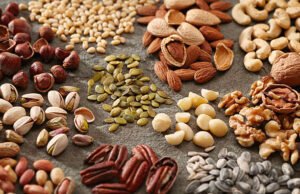
Nuts and seeds are nutritional powerhouses that provide a wealth of protein, healthy fats, vitamins, and minerals. Despite their small size, these plant-based foods pack a punch when it comes to protein content. Almonds, for example, are one of the richest sources of protein among nuts, with approximately 6 grams of protein per ounce. Similarly, pumpkin seeds are a protein powerhouse, containing around 9 grams of protein per ounce. Additionally, nuts and seeds are rich in healthy fats, including omega-3 and omega-6 fatty acids, which are essential for brain health, heart health, and overall well-being.
Moreover, nuts and seeds are incredibly versatile and can be enjoyed in various ways. They can be eaten raw, roasted, or incorporated into dishes such as salads, stir-fries, and baked goods. Nut butters, such as almond butter and peanut butter, are popular choices for spreading on toast or adding to smoothies for an extra protein boost. Seeds like chia seeds and flaxseeds can be added to oatmeal, yogurt, or baked goods to increase their protein and nutrient content. With their rich flavor and crunchy texture, nuts and seeds add depth and nutrition to a wide range of dishes, making them a valuable addition to any vegetarian diet.

Furthermore, the health benefits of nuts and seeds extend beyond their protein and healthy fat content. Studies have shown that regularly consuming nuts and seeds may help lower cholesterol levels, reduce inflammation, and decrease the risk of chronic diseases such as heart disease and type 2 diabetes. Additionally, the antioxidants found in nuts and seeds help protect the body from oxidative stress and may contribute to a longer, healthier life. By incorporating a variety of nuts and seeds into their diet, vegetarians can reap the numerous health benefits while enjoying delicious and satisfying meals.
Soy Products: Tofu, Tempeh, Soy Milk – Complete Proteins
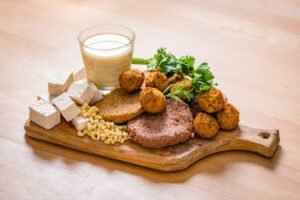
Soy products are exceptional sources of protein for vegetarians, offering all the essential amino acids needed for optimal health. Tofu, made from soybeans, is perhaps the most well-known soy product and is highly versatile in cooking. It contains about 10 grams of protein per 3.5 ounces, making it a significant protein source for vegetarians. Tofu can be grilled, baked, stir-fried, or blended into smoothies, providing a substantial protein boost to a variety of dishes. Similarly, tempeh, another soy-based product, offers approximately 19 grams of protein per 3.5 ounces, making it one of the richest plant-based protein sources available. Tempeh has a nutty flavor and firm texture, making it an excellent meat substitute in sandwiches, salads, and stir-fries.
Moreover, soy milk is a popular dairy alternative that provides around 7 grams of protein per cup, making it a nutritious option for those following a vegetarian diet. It can be used in place of cow’s milk in recipes, poured over cereal, or enjoyed on its own as a beverage. Additionally, soy-based meat substitutes, such as veggie burgers and soy crumbles, offer a convenient way to add protein to meals without sacrificing taste or texture. These products mimic the flavor and texture of meat while providing a comparable amount of protein, making them suitable options for vegetarians looking to incorporate more plant-based protein into their diet.

Furthermore, soy products offer numerous health benefits beyond their protein content. Research has shown that consuming soy may help reduce the risk of certain chronic diseases, including heart disease, osteoporosis, and certain types of cancer. Soy contains compounds called phytoestrogens, which have been linked to improved bone health, reduced cholesterol levels, and decreased inflammation. Additionally, soy products are low in saturated fat and cholesterol, making them heart-healthy choices for individuals looking to improve their cardiovascular health. Overall, incorporating soy products into a vegetarian diet can provide essential nutrients and promote overall health and well-being.
Whole Grains: Quinoa, Barley, Oats – Protein-Rich Alternatives
Whole grains are not only valuable sources of carbohydrates and fiber but also significant contributors to protein intake in a vegetarian diet. Quinoa stands out as a complete protein, containing all nine essential amino acids necessary for human health. It offers approximately 8 grams of protein per cup, making it a substantial protein source for vegetarians. Additionally, quinoa is gluten-free and highly versatile, making it an excellent alternative to rice or pasta in a variety of dishes, from salads to pilafs. Barley is another protein-rich whole grain, providing approximately 6 grams of protein per cup. It can be used in soups, stews, and casseroles, adding both texture and nutrition to meals.
Furthermore, oats are a staple in many vegetarian diets and offer around 6 grams of protein per cup. They can be enjoyed as oatmeal for breakfast or used as a base for homemade granola bars and cookies, providing a nutritious and satisfying way to start the day. Additionally, oats contain beta-glucan, a type of soluble fiber that has been shown to improve heart health by lowering cholesterol levels and reducing blood sugar spikes. Whole grains like quinoa, barley, and oats are also rich in vitamins, minerals, and antioxidants, further enhancing their nutritional value and contributing to overall health and well-being.
Moreover, incorporating a variety of whole grains into a vegetarian diet can help ensure adequate intake of essential nutrients and promote satiety and weight management. Whole grains are high in fiber, which helps regulate digestion, prevent constipation, and promote feelings of fullness. By including whole grains in meals, vegetarians can maintain stable energy levels throughout the day and reduce the risk of overeating or snacking on less nutritious foods. Additionally, whole grains are low in fat and cholesterol, making them heart-healthy choices for individuals looking to improve their cardiovascular health. Overall, whole grains provide a valuable source of protein and essential nutrients for vegetarians, contributing to a balanced and nutritious diet.
Dairy Alternatives: Yogurt, Cheese, Milk – Fortified with Protein
Dairy alternatives are essential for vegetarians seeking to meet their protein needs while avoiding animal products. Yogurt, whether made from soy, almond, or coconut milk, is a rich source of protein, offering around 6 to 9 grams per serving. It also contains probiotics, beneficial bacteria that support digestive health and strengthen the immune system. Similarly, cheese alternatives made from plant-based ingredients provide a protein boost to meals and snacks. These dairy-free cheeses are often fortified with protein and offer a variety of flavors and textures to suit different tastes and culinary preferences.
Moreover, milk alternatives such as soy milk, almond milk, and oat milk are fortified with protein to provide a comparable nutritional profile to cow’s milk. Soy milk, in particular, offers around 7 grams of protein per cup, making it an excellent choice for vegetarians looking to increase their protein intake. Additionally, fortified milk alternatives are often enriched with calcium, vitamin D, and other essential nutrients to support bone health and overall well-being. They can be used in place of cow’s milk in recipes, poured over cereal, or enjoyed on their own as a beverage, providing a nutritious and delicious alternative for those with lactose intolerance or dairy allergies.
Furthermore, dairy alternatives offer numerous health benefits beyond their protein content. Research has shown that consuming plant-based dairy alternatives may help reduce the risk of certain chronic diseases, including heart disease and certain types of cancer. These products are typically lower in saturated fat and cholesterol than dairy products, making them heart-healthy choices for individuals looking to improve their cardiovascular health. Additionally, dairy alternatives are often fortified with vitamins and minerals, such as vitamin B12 and calcium, to ensure adequate nutrient intake in a vegetarian diet. Overall, incorporating dairy alternatives into a vegetarian diet can provide essential nutrients and promote overall health and well-being.
Vegetables: Broccoli, Spinach, Peas – Surprising Protein Content
While often overlooked as protein sources, vegetables play a crucial role in providing essential nutrients, including protein, in a vegetarian diet. Broccoli, spinach, and peas are among the vegetables with surprisingly high protein content. Broccoli, for instance, contains approximately 3 grams of protein per cup when cooked, making it a valuable addition to meals for vegetarians seeking to boost their protein intake. Spinach is another nutrient-dense vegetable that offers around 5 grams of protein per cup when cooked. Additionally, peas are rich in protein, providing approximately 8 grams per cup, making them a substantial source of plant-based protein.
Moreover, vegetables offer a wide range of health benefits beyond their protein content. They are rich in vitamins, minerals, and antioxidants, which help support overall health and well-being. For example, broccoli is high in vitamin C, vitamin K, and folate, while spinach is packed with iron, magnesium, and potassium. Peas are also rich in fiber, which promotes digestive health and helps regulate blood sugar levels. Additionally, vegetables are low in calories and fat, making them ideal for individuals looking to manage their weight and improve their overall health.
Furthermore, incorporating a variety of vegetables into a vegetarian diet can help ensure adequate intake of essential nutrients while adding flavor, color, and texture to meals. Vegetables can be enjoyed raw or cooked and can be incorporated into salads, soups, stir-fries, and casseroles. By including a diverse array of vegetables in their diet, vegetarians can enjoy a wide range of flavors and textures while reaping the numerous health benefits they provide. Overall, vegetables are an essential component of a balanced and nutritious vegetarian diet, offering valuable nutrients, including protein, to support overall health and well-being.
Conclusion
In conclusion, the diversity of protein sources available in a vegetarian diet is both extensive and nutritious. From legumes like beans, lentils, and chickpeas to nuts, seeds, soy products, whole grains, dairy alternatives, and even vegetables like broccoli, spinach, and peas, vegetarians have a plethora of options to meet their protein needs. These plant-based protein sources not only provide essential amino acids but also offer a range of vitamins, minerals, and antioxidants crucial for overall health and well-being.
I hope this exploration of vegetarian protein sources has shed light on the abundance of nutritious options available to those following a plant-based diet. By incorporating a variety of these protein-rich foods into their meals, vegetarians can ensure they meet their nutritional requirements while enjoying delicious and satisfying dishes. Whether it’s through hearty bean stews, protein-packed tofu stir-fries, or nutrient-rich quinoa salads, vegetarians can thrive while nourishing their bodies with the power of plant-based proteins.