Are There Any Plant-Based Alternatives to Protein-Rich Foods?

Are There Any Plant-Based Alternatives to Protein-Rich Foods?
In this article, we delve into the burgeoning realm of plant-based alternatives to protein-rich foods, exploring the diverse array of options available to those seeking to adopt a more plant-centric diet. As the global interest in sustainable and ethical eating practices continues to surge, the quest for viable protein sources beyond traditional animal products has gained significant traction.
With growing concerns over the environmental impact of animal agriculture and the health benefits associated with plant-based diets, consumers are increasingly turning to plant-derived protein alternatives. From legumes and nuts to soy-based products and ancient grains, the landscape of plant-based protein options is rich and varied, catering to a wide range of dietary preferences and culinary tastes. In this discourse, we navigate through the nutritional profiles, culinary versatility, and potential drawbacks of these plant-based alternatives, shedding light on their role in promoting both personal health and environmental sustainability.
Nutritional Profiles of Plant-Based Protein Sources
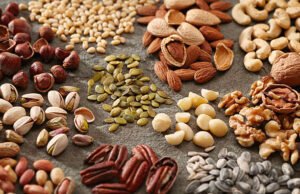
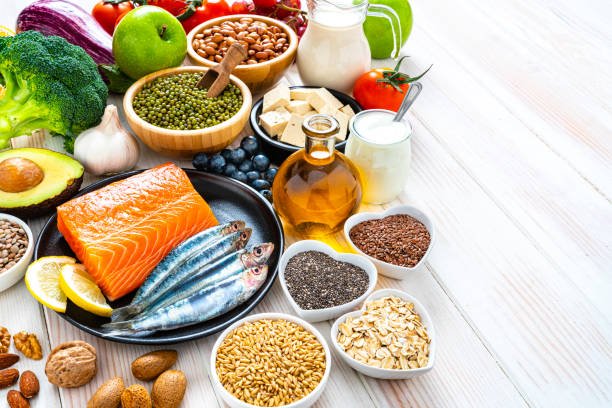
Plant-based protein sources offer a diverse array of essential nutrients, making them valuable components of a balanced diet. Legumes such as lentils, chickpeas, and black beans are not only rich in protein but also provide significant amounts of dietary fiber, vitamins, and minerals. For instance, a cup of cooked lentils contains approximately 18 grams of protein, along with substantial amounts of folate, iron, and potassium. Similarly, nuts and seeds like almonds, chia seeds, and pumpkin seeds are renowned for their protein content, as well as their contributions of healthy fats, vitamins, and antioxidants. A handful of almonds, for example, provides around 6 grams of protein, alongside essential nutrients like vitamin E and magnesium.

Furthermore, soy-based products like tofu, tempeh, and edamame are complete protein sources, meaning they contain all nine essential amino acids necessary for human health. Tofu, crafted from soybean curds, boasts an impressive nutrient profile, offering approximately 10 grams of protein per 3.5 ounces, in addition to calcium, iron, and manganese. Additionally, ancient grains such as quinoa, amaranth, and farro are gaining popularity not only for their protein content but also for their gluten-free status and rich nutritional profiles. Quinoa, often hailed as a superfood, contains all nine essential amino acids, making it a complete protein source, while also providing fiber, magnesium, and phosphorus.
Moreover, plant-based protein sources tend to be lower in saturated fat and cholesterol compared to their animal-derived counterparts, making them heart-healthy choices. For instance, replacing red meat with plant-based proteins like beans or lentils can lower cholesterol levels and reduce the risk of cardiovascular diseases. Additionally, incorporating a variety of plant proteins into the diet ensures a diverse intake of essential nutrients, promoting overall health and well-being. Furthermore, plant-based protein sources often contain phytonutrients and antioxidants, which have been linked to various health benefits, including reduced inflammation and improved immune function. By prioritizing plant-based proteins in one’s diet, individuals can support their nutritional needs while also contributing to sustainable food systems and environmental preservation.
Culinary Versatility in Incorporating Plant Proteins
Plant proteins offer a remarkable degree of culinary versatility, allowing for their incorporation into a wide range of dishes and cuisines. Legumes, for example, can be transformed into hearty stews, flavorful curries, or satisfying salads, providing both protein and substance to meals. Chickpeas, when mashed and seasoned, can be shaped into savory patties for veggie burgers, while lentils can be cooked and pureed to create creamy soups or nutritious spreads for sandwiches. Additionally, nuts and seeds lend themselves well to both sweet and savory dishes, adding crunch, texture, and nutritional value. Almonds can be ground into flour for baking, or toasted and sprinkled over salads for added protein and flavor, while chia seeds can be soaked to create a gel-like consistency for puddings or used as a binder in vegan baking.
Moreover, soy-based products like tofu and tempeh are incredibly versatile ingredients that can be used in a multitude of recipes, from stir-fries and salads to sandwiches and wraps. Tofu, with its neutral flavor and sponge-like texture, readily absorbs marinades and seasonings, making it adaptable to a variety of flavor profiles and cooking methods. Tempeh, on the other hand, boasts a nutty taste and firm texture, making it an excellent substitute for meat in dishes like tacos, stir-fries, and grain bowls. Furthermore, ancient grains such as quinoa, amaranth, and bulgur can be cooked and served as a base for grain bowls, pilafs, or salads, providing not only protein but also complex carbohydrates and fiber for sustained energy.

Additionally, plant-based proteins can be incorporated into traditional recipes to enhance their nutritional value without compromising flavor or satisfaction. For example, replacing ground meat with cooked lentils or black beans in dishes like chili, tacos, or pasta sauce can reduce saturated fat intake while boosting fiber and protein content. Similarly, swapping out dairy-based ingredients with plant-based alternatives like almond milk or cashew cream in recipes for soups, sauces, and baked goods can accommodate lactose intolerance or vegan dietary preferences without sacrificing taste or texture. By exploring the diverse culinary possibilities of plant proteins, individuals can enjoy delicious and nutritious meals that support their health and well-being.
Environmental Impact Comparison with Animal-Derived Proteins
Plant-based proteins often have a significantly lower environmental footprint compared to animal-derived proteins, making them a more sustainable choice for both individuals and the planet. The production of plant-based proteins typically requires fewer natural resources, such as water and land, and generates fewer greenhouse gas emissions compared to the production of animal proteins. For example, cultivating crops like legumes and grains requires less water and land compared to raising livestock for meat production. Additionally, plant-based protein sources tend to have a lower carbon footprint per serving compared to animal proteins, as they produce fewer methane emissions and require less energy-intensive processes for cultivation and processing.
Furthermore, the transition towards plant-based diets can help mitigate the environmental impacts associated with deforestation and habitat destruction. Large-scale animal agriculture is a leading driver of deforestation in regions such as the Amazon rainforest, where vast swaths of land are cleared to make way for livestock grazing and feed crop cultivation. By shifting towards plant-based protein sources, individuals can reduce the demand for animal products and alleviate pressure on fragile ecosystems and biodiversity hotspots. Additionally, plant-based diets have the potential to conserve water resources, as plant crops generally have lower water requirements compared to animal husbandry, particularly for intensive livestock farming operations.

Moreover, the adoption of plant-based diets can contribute to global efforts to combat climate change by reducing greenhouse gas emissions associated with food production and agriculture. Livestock farming, particularly the production of beef and lamb, is a significant source of methane emissions, a potent greenhouse gas that contributes to global warming. By choosing plant-based protein sources over animal proteins, individuals can help lower their carbon footprint and support more sustainable food systems. Furthermore, promoting the consumption of plant-based proteins can lead to a more equitable distribution of resources, as plant crops can feed more people per acre compared to animal agriculture, potentially addressing food security challenges in regions with limited arable land or resources.
Health Benefits and Potential Drawbacks of Plant Proteins
Plant proteins offer numerous health benefits, including lower saturated fat content, higher fiber content, and a wealth of essential vitamins and minerals. Unlike many animal proteins, plant-based protein sources are typically low in saturated fat and cholesterol, making them heart-healthy choices that can help reduce the risk of cardiovascular diseases. Additionally, plant proteins are rich in dietary fiber, which plays a crucial role in digestive health, weight management, and reducing the risk of chronic diseases such as diabetes and certain cancers. Legumes, nuts, seeds, and whole grains are particularly high in fiber, providing a satisfying and nutrient-dense option for promoting overall well-being.
Moreover, plant-based proteins are often rich in essential vitamins and minerals, including folate, iron, potassium, and magnesium, which are vital for various bodily functions. For example, lentils and spinach are excellent sources of iron, important for oxygen transport in the blood and preventing iron-deficiency anemia. Additionally, nuts and seeds are packed with magnesium, a mineral essential for muscle function, nerve signaling, and bone health. By incorporating a variety of plant-based protein sources into the diet, individuals can ensure they meet their nutritional needs while reaping the health benefits associated with a plant-centric eating pattern.
However, it’s essential to be mindful of potential drawbacks associated with plant proteins, such as incomplete amino acid profiles and antinutrients. While some plant proteins like soybeans are complete proteins, containing all nine essential amino acids, others may lack certain amino acids or have lower digestibility compared to animal proteins. To address this, individuals following a plant-based diet can combine complementary plant proteins, such as beans and rice, to ensure they obtain all essential amino acids. Additionally, some plant proteins contain antinutrients, compounds that can interfere with nutrient absorption or digestion. For example, lectins in legumes and phytates in grains can bind to minerals like iron and zinc, reducing their bioavailability. Proper cooking methods, such as soaking, sprouting, or fermenting, can help mitigate the effects of antinutrients and improve nutrient absorption from plant-based foods. Overall, while plant proteins offer numerous health benefits, it’s essential to consider individual nutritional needs and employ strategies to optimize their intake for optimal health and well-being.
Emerging Trends and Innovations in Plant-Based Protein Products
The realm of plant-based protein products is continuously evolving, driven by technological advancements, consumer demand, and sustainability concerns. One prominent trend is the development of meat alternatives made from plant proteins, such as pea protein, soy protein, and mycoprotein. These innovative products mimic the taste, texture, and appearance of traditional meat, offering a familiar culinary experience for consumers while reducing reliance on animal agriculture. Companies like Beyond Meat and Impossible Foods have gained widespread attention for their plant-based burgers, sausages, and meatballs, which have garnered praise for their remarkable resemblance to animal-derived counterparts.
Additionally, there is a growing market for plant-based dairy alternatives, including milk, cheese, yogurt, and ice cream, made from ingredients like almonds, oats, coconut, and cashews. These dairy-free alternatives cater to lactose-intolerant individuals, vegans, and those seeking to reduce their consumption of animal products. Moreover, advancements in food science and biotechnology have led to the development of cultured meat and cellular agriculture, where animal cells are grown in vitro to produce meat without the need for animal slaughter. While still in the early stages of development, cultured meat holds promise for addressing sustainability and ethical concerns associated with conventional meat production.
Furthermore, there is increasing interest in novel sources of plant proteins, including algae, insects, and microbial-based proteins, as sustainable alternatives to traditional crops like soybeans and wheat. Algae-based proteins, rich in essential amino acids and omega-3 fatty acids, are being explored for their potential in food and feed applications. Likewise, insects are gaining traction as a protein-rich and environmentally friendly source of nutrition, with companies experimenting with cricket flour and mealworm-based products. Additionally, microbial fermentation technologies are being utilized to produce protein-rich ingredients like single-cell proteins, offering scalable and resource-efficient solutions for protein production. These emerging trends and innovations in plant-based protein products hold promise for diversifying the food supply, promoting sustainability, and meeting the growing demand for alternative protein sources in the global market.
Practical Tips for Integrating Plant Proteins into Daily Meals
Incorporating plant proteins into daily meals can be effortless and enjoyable with the right strategies and approaches. One practical tip is to diversify plant protein sources by including a variety of legumes, nuts, seeds, whole grains, and plant-based meat alternatives in your diet. This not only ensures a well-rounded intake of essential nutrients but also adds excitement and flavor to meals. For example, you can experiment with different types of beans, such as black beans, chickpeas, and kidney beans, in soups, salads, and wraps, or incorporate quinoa, farro, or barley into grain bowls, stir-fries, or pilafs for a satisfying meal.
Moreover, consider incorporating plant proteins into familiar dishes and recipes by making simple substitutions or additions. For instance, you can swap out ground meat for lentils or mushrooms in tacos, spaghetti sauce, or stuffed peppers to boost the nutritional value and reduce saturated fat intake. Similarly, adding tofu, tempeh, or edamame to stir-fries, casseroles, or pasta dishes can provide a protein-rich alternative to meat or poultry while adding texture and flavor. Additionally, incorporating nuts and seeds into salads, smoothies, or oatmeal can add crunch and protein, making meals more satisfying and nutritious.
Furthermore, plan ahead and prepare plant-based protein sources in batch quantities to streamline meal preparation and ensure accessibility throughout the week. Consider cooking a large batch of beans, lentils, or grains on the weekend and storing them in portioned containers in the fridge or freezer for quick and convenient meal assembly. Similarly, batch-preparing tofu or tempeh with flavorful marinades or sauces can save time and add versatility to meal options. Additionally, explore plant-based protein recipes and cookbooks for inspiration and guidance on incorporating plant proteins into your favorite dishes and culinary creations. By adopting these practical tips and approaches, individuals can effortlessly integrate plant proteins into their daily meals, promoting health, sustainability, and culinary enjoyment.
Conclusion
In conclusion, the landscape of plant-based protein alternatives presents a myriad of opportunities for individuals to embrace a sustainable and health-conscious dietary lifestyle. From legumes and nuts to innovative meat substitutes and emerging sources like algae and insects, the options are diverse and exciting. By leveraging the nutritional richness and culinary versatility of plant proteins, individuals can create delicious and satisfying meals that nourish both body and soul while minimizing their environmental impact. Moreover, the continuous advancements and innovations in plant-based protein products signify a promising shift towards a more sustainable and ethical food system, one that prioritizes health, compassion, and planetary well-being.
I hope this exploration into plant-based protein alternatives has inspired you to incorporate more plant proteins into your daily meals, whether for health, environmental, or culinary reasons. By making conscious choices and embracing the abundance of plant-based protein sources available, we can not only improve our own well-being but also contribute to a more sustainable and compassionate world for future generations. Let’s embrace the power of plants and savor the delicious possibilities they offer for a healthier and more harmonious future.