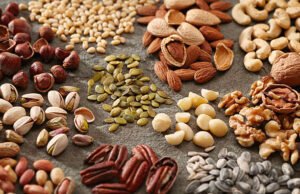
Which Nuts and Seeds Are Highest in Protein?

Which Nuts and Seeds Are Highest in Protein?
In this article, we delve into the realm of nutrition to explore a fundamental question: which nuts and seeds boast the highest protein content? As awareness of the importance of protein in a balanced diet continues to grow, so does the curiosity surrounding plant-based sources of this essential nutrient. Nuts and seeds, revered for their nutrient-rich profiles and versatility in culinary applications, offer a wealth of options for those seeking to boost their protein intake without relying solely on animal products.
From almonds to chia seeds, the variety of nuts and seeds available may leave many wondering which ones pack the most punch in terms of protein. Understanding the protein content of different nuts and seeds can aid individuals in making informed dietary choices, whether they are seeking to support muscle growth, maintain satiety, or simply diversify their nutrient intake. Join us on this exploration as we uncover the protein powerhouses lurking within the world of nuts and seeds.
Almonds: Protein-rich Nut with Versatile Culinary Uses
Almonds are not only delicious but also highly nutritious, making them a popular choice among health-conscious individuals. These nuts are renowned for their protein content, making them an excellent option for those looking to increase their protein intake. Just a handful of almonds can provide a significant portion of your daily protein requirement. Additionally, almonds are considered a complete protein source, meaning they contain all nine essential amino acids necessary for optimal health.
In addition to their protein content, almonds offer a plethora of culinary possibilities. They can be enjoyed in various forms, such as raw, roasted, or ground into almond flour. Almonds can be incorporated into both sweet and savory dishes, adding a delightful crunch and nutty flavor. From almond butter to almond-crusted chicken, the versatility of almonds in the kitchen knows no bounds. Moreover, almond milk has become a popular dairy alternative, providing a creamy texture and nutty taste to beverages, cereals, and baked goods.

Beyond their culinary applications, almonds boast an impressive nutritional profile. In addition to protein, they are rich in healthy fats, fiber, vitamin E, magnesium, and antioxidants. These nutrients play vital roles in promoting heart health, supporting brain function, and aiding in weight management. Incorporating almonds into your diet can contribute to overall well-being and may even help reduce the risk of chronic diseases such as diabetes and cardiovascular conditions. Whether enjoyed as a snack on their own or as an ingredient in your favorite recipes, almonds offer a delicious and nutritious way to boost your protein intake and enhance your culinary creations.
Chia Seeds: Tiny Seeds Packed with Protein and Omega-3s
Chia seeds may be small in size, but they pack a powerful nutritional punch. These tiny seeds are loaded with protein, making them an excellent choice for vegetarians and vegans looking to meet their protein needs. Despite their small size, chia seeds contain a significant amount of protein per serving, making them a convenient addition to smoothies, oatmeal, yogurt, and baked goods. Incorporating chia seeds into your diet can help support muscle growth and repair, as well as promote feelings of fullness and satiety.
In addition to their protein content, chia seeds are also rich in omega-3 fatty acids, particularly alpha-linolenic acid (ALA). Omega-3s are essential fats that play a crucial role in heart health, brain function, and inflammation regulation. By including chia seeds in your meals and snacks, you can boost your omega-3 intake and support overall well-being. Furthermore, chia seeds are a good source of fiber, which aids in digestion and promotes a healthy gut microbiome. This combination of protein, omega-3s, and fiber makes chia seeds a nutritional powerhouse that can benefit your health in numerous ways.

Despite their nutritional benefits, it’s essential to consume chia seeds in moderation, as they are calorie-dense. Incorporating a tablespoon or two of chia seeds into your daily diet can provide the protein and omega-3s your body needs without adding excessive calories. Whether sprinkled on top of salads, mixed into smoothies, or used as a thickening agent in puddings, chia seeds offer a convenient and versatile way to boost your protein and omega-3 intake while enhancing the nutritional value of your meals.
Pumpkin Seeds: Nutrient-Dense Snacks High in Protein and Minerals
Pumpkin seeds, also known as pepitas, are not only a delicious snack but also a powerhouse of nutrients. These small, green seeds are rich in protein, making them an excellent option for those looking to increase their protein intake. Just a quarter cup of pumpkin seeds provides a substantial amount of protein, making them a convenient and satisfying snack choice. Whether enjoyed on their own or added to trail mix, salads, or baked goods, pumpkin seeds offer a crunchy texture and nutty flavor that enhances any dish.
In addition to their protein content, pumpkin seeds are loaded with essential minerals, including magnesium, zinc, and iron. Magnesium plays a crucial role in various bodily functions, including muscle and nerve function, blood sugar regulation, and bone health. Zinc is essential for immune function, wound healing, and DNA synthesis, while iron is necessary for oxygen transport and energy production. Incorporating pumpkin seeds into your diet can help ensure you meet your daily requirements for these essential minerals, promoting overall health and well-being.

Furthermore, pumpkin seeds are a good source of healthy fats, including omega-3 and omega-6 fatty acids. These fats are important for heart health, brain function, and inflammation regulation. By including pumpkin seeds in your diet, you can boost your intake of these beneficial fats and support optimal health. Whether enjoyed as a standalone snack or used as a topping for salads, soups, or cereals, pumpkin seeds offer a convenient and nutritious way to add protein, minerals, and healthy fats to your diet.
Hemp Seeds: Complete Protein Source with a Nutty Flavor
Hemp seeds, often hailed as a superfood, are gaining popularity for their impressive nutritional profile. One standout feature of hemp seeds is their status as a complete protein source, meaning they contain all nine essential amino acids that the body cannot produce on its own. This makes hemp seeds a valuable protein source for vegetarians, vegans, and anyone looking to diversify their protein intake. With their mild, nutty flavor, hemp seeds can easily be incorporated into a variety of dishes, including smoothies, salads, yogurt, and baked goods.
In addition to being rich in protein, hemp seeds are also packed with essential fatty acids, particularly omega-3 and omega-6 fatty acids. These fats play key roles in heart health, brain function, and inflammation control. By including hemp seeds in your diet, you can increase your intake of these beneficial fats and support overall well-being. Furthermore, hemp seeds are a good source of fiber, which promotes digestive health and helps maintain feelings of fullness and satiety.
Moreover, hemp seeds are rich in vitamins and minerals, including magnesium, iron, zinc, and vitamin E. Magnesium is essential for muscle and nerve function, blood sugar regulation, and bone health, while iron is necessary for oxygen transport and energy production. Zinc supports immune function, wound healing, and DNA synthesis, while vitamin E acts as a powerful antioxidant, protecting cells from damage caused by free radicals. Incorporating hemp seeds into your diet can help ensure you meet your daily requirements for these essential nutrients, promoting overall health and vitality. Whether sprinkled on top of salads, blended into smoothies, or added to baked goods, hemp seeds offer a convenient and nutritious way to boost your protein intake and enhance the nutritional value of your meals.
Flaxseeds: High-Protein Seeds Rich in Fiber and Omega-3s
Flaxseeds, also known as linseeds, are tiny nutritional powerhouses that boast an impressive array of health benefits. One of the key features of flaxseeds is their high protein content, making them a valuable addition to any diet. These small seeds are particularly rich in plant-based protein, making them an excellent option for vegetarians, vegans, and individuals looking to increase their protein intake from non-animal sources. Adding just a tablespoon or two of ground flaxseeds to your meals can significantly boost their protein content, helping to support muscle growth, repair, and overall health.
In addition to their protein content, flaxseeds are loaded with fiber, both soluble and insoluble. Fiber is essential for digestive health, promoting regular bowel movements and preventing constipation. Soluble fiber, in particular, helps lower cholesterol levels and regulate blood sugar levels, reducing the risk of heart disease and diabetes. Insoluble fiber adds bulk to stool, aiding in digestion and promoting a feeling of fullness and satiety. By including flaxseeds in your diet, you can increase your fiber intake and support optimal digestive function.
Furthermore, flaxseeds are an excellent source of omega-3 fatty acids, specifically alpha-linolenic acid (ALA). Omega-3s are essential fats that play a crucial role in heart health, brain function, and inflammation regulation. Consuming foods rich in omega-3s, such as flaxseeds, can help reduce the risk of heart disease, stroke, and cognitive decline. Incorporating ground flaxseeds into your meals or snacks is an easy and convenient way to boost your omega-3 intake and support overall well-being. Whether sprinkled on top of yogurt, added to smoothies, or used as an egg substitute in baking, flaxseeds offer a versatile and nutritious way to enhance the nutritional value of your diet.
Conclusion
In conclusion, exploring the protein content of nuts and seeds reveals a diverse array of options that cater to various dietary preferences and nutritional needs. From almonds to flaxseeds, each seed offers its unique combination of protein, healthy fats, fiber, vitamins, and minerals, contributing to overall health and well-being. By incorporating a variety of nuts and seeds into your diet, you can not only meet your protein requirements but also reap the benefits of their other nutrients, such as omega-3 fatty acids, magnesium, and antioxidants. Whether enjoyed as a snack, added to meals, or used in cooking and baking, nuts and seeds provide a convenient and delicious way to boost your protein intake and enhance the nutritional value of your diet.
I hope this exploration into the protein-rich world of nuts and seeds has inspired you to experiment with new ingredients and incorporate them into your daily meals. By embracing the versatility and nutritional benefits of nuts and seeds, you can nourish your body and support your health while enjoying a wide range of delicious flavors and textures.