Can I Build Muscle Without Consuming Protein Supplements?

Can I Build Muscle Without Consuming Protein Supplements?
In this article, we delve into the perennial question: Can I build muscle effectively without relying on protein supplements? Many fitness enthusiasts often wonder if achieving significant muscle gains is possible solely through whole foods and dietary adjustments, without resorting to protein powders or shakes. This inquiry stems from concerns about the necessity, efficacy, and potential side effects associated with protein supplements.
To address this inquiry comprehensively, we’ll explore the fundamental role of protein in muscle growth and repair, examining the significance of adequate protein intake within the context of different dietary approaches. Additionally, we’ll discuss the potential benefits and drawbacks of relying solely on whole food sources versus incorporating protein supplements into one’s regimen. By the end of this discussion, you’ll gain insights into whether building muscle without protein supplements is a viable option and understand the best practices for optimizing muscle growth through nutrition and exercise.
Importance of Protein in Muscle Building Process
Protein is often hailed as the cornerstone of muscle building, and for good reason. When you engage in resistance training or strenuous exercise, you create micro-tears in your muscle fibers. To repair and rebuild these fibers, your body requires an adequate supply of amino acids, which are the building blocks of protein. Without sufficient protein intake, your muscles may struggle to recover and grow optimally. Therefore, prioritizing protein in your diet is crucial for supporting muscle repair, growth, and maintenance.
Furthermore, protein plays a vital role in facilitating muscle protein synthesis (MPS), the process by which your body builds new muscle tissue. During MPS, amino acids from dietary protein are absorbed into your bloodstream and transported to your muscles, where they are utilized to create new muscle proteins. This process is essential for increasing muscle mass and strength over time. Research has consistently shown that consuming protein-rich foods or supplements following exercise can enhance MPS, promoting greater gains in muscle size and strength compared to insufficient protein intake.

In addition to its role in muscle repair and growth, protein also serves other important functions in the body that are relevant to athletic performance. For instance, dietary protein is essential for supporting immune function, hormone production, and enzyme activity. When you engage in intense physical activity, your body may experience increased oxidative stress and inflammation. Adequate protein intake can help mitigate these effects by providing the necessary amino acids to support immune function and tissue repair. Therefore, ensuring an ample supply of protein in your diet is not only beneficial for muscle building but also for overall health and well-being.
Nutrient-rich Whole Food Sources for Muscle Growth
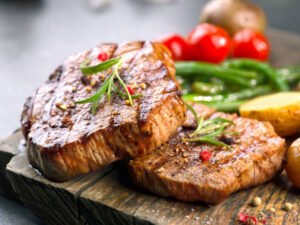
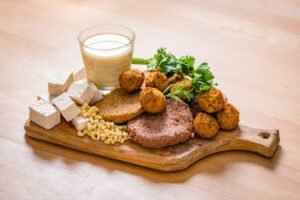
To fuel muscle growth effectively, it’s essential to prioritize nutrient-dense whole foods that provide a rich array of vitamins, minerals, and macronutrients. Lean sources of animal protein, such as chicken breast, turkey, lean beef, and fish, are excellent options due to their high protein content and complete amino acid profiles. These foods supply essential nutrients like iron, zinc, and B vitamins, which are vital for energy metabolism and muscle function. Additionally, plant-based protein sources like beans, lentils, tofu, tempeh, and quinoa offer valuable protein along with fiber and antioxidants, supporting overall health and muscle recovery.
Incorporating dairy products like Greek yogurt, cottage cheese, and low-fat milk into your diet can also contribute to muscle growth, as they are rich in protein, calcium, and other micronutrients essential for bone health and muscle contraction. Eggs are another powerhouse food, providing high-quality protein, essential amino acids, and nutrients like choline, which supports brain function and muscle control. Moreover, including a variety of fruits and vegetables in your meals ensures that you receive essential vitamins, minerals, and phytonutrients that support muscle repair and recovery while enhancing overall health and immune function.

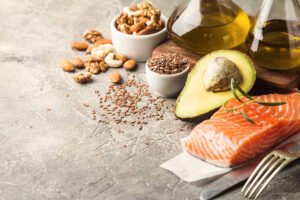
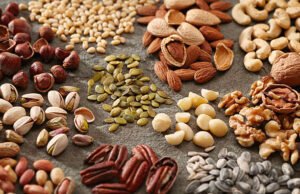
Nuts, seeds, and nut butters are excellent sources of healthy fats, protein, and micronutrients like magnesium and vitamin E, which play roles in muscle function and recovery. Adding these foods to your diet provides sustained energy and helps prevent muscle fatigue during workouts. Additionally, healthy fats support hormone production, including testosterone, which is crucial for muscle growth and strength development. By incorporating a diverse array of whole foods into your diet, you can ensure that your body receives the nutrients it needs to support optimal muscle growth and performance.
Protein Supplement Options and Their Effectiveness
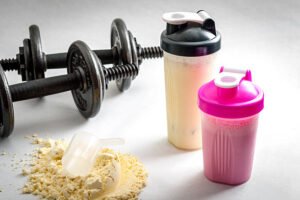
Protein supplements offer a convenient way to increase protein intake, particularly for individuals with busy lifestyles or those who struggle to meet their protein needs through whole foods alone. Whey protein, derived from milk, is one of the most popular and well-researched protein supplements available. It is rich in essential amino acids, particularly leucine, which is a key stimulator of muscle protein synthesis. Whey protein is rapidly absorbed by the body, making it an ideal choice for post-workout recovery to promote muscle repair and growth.
Casein protein, another milk-derived protein, provides a slower release of amino acids compared to whey, making it suitable for prolonged periods of muscle protein synthesis, such as overnight or between meals. This slow-release nature may help prevent muscle breakdown and support muscle recovery over time. Plant-based protein supplements, such as pea protein, rice protein, and hemp protein, are gaining popularity among vegetarians, vegans, and individuals with dairy allergies or intolerances. These alternatives offer comparable benefits to animal-based protein supplements and can be effective for supporting muscle growth and recovery when consumed as part of a balanced diet.

In addition to traditional protein powders, other supplement options like protein bars, shakes, and ready-to-drink beverages provide convenient alternatives for on-the-go consumption. These products often combine protein with carbohydrates and fats to create balanced macronutrient ratios for muscle recovery and energy replenishment. However, it’s essential to choose protein supplements wisely and opt for products with minimal added sugars, artificial flavors, and unnecessary additives. Ultimately, the effectiveness of protein supplements depends on individual preferences, dietary habits, and fitness goals, so it’s essential to experiment and find the right option that works best for you.
Considerations for Dietary Preferences and Restrictions
When planning a muscle-building diet, it’s crucial to consider individual dietary preferences and restrictions to ensure adequate protein intake while accommodating personal preferences and lifestyle choices. For individuals following vegetarian or vegan diets, plant-based protein sources like beans, lentils, tofu, tempeh, and seitan are excellent options to meet protein needs. These foods are not only rich in protein but also provide essential nutrients like fiber, vitamins, and minerals that support overall health and well-being.
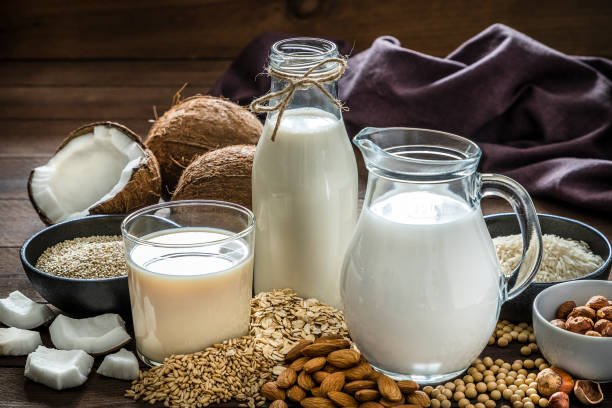
Similarly, individuals with lactose intolerance or dairy allergies can opt for dairy-free alternatives like almond milk, soy milk, or coconut yogurt to meet their calcium and protein requirements. Additionally, for those following gluten-free diets, gluten-free grains such as quinoa, brown rice, and buckwheat can serve as valuable sources of protein and carbohydrates for muscle growth and recovery. It’s essential to explore a variety of foods within these dietary frameworks to ensure nutritional adequacy and prevent nutrient deficiencies.
Moreover, some individuals may have specific dietary preferences or restrictions based on cultural or ethical beliefs, such as halal, kosher, or pescatarian diets. In such cases, it’s important to identify protein sources that align with these dietary guidelines while providing essential nutrients for muscle building and overall health. By considering individual dietary preferences and restrictions, you can tailor a muscle-building diet that meets your nutritional needs, supports your fitness goals, and aligns with your lifestyle choices.
Balancing Protein Intake with Other Macronutrients
While protein is essential for muscle growth, it’s equally important to balance protein intake with other macronutrients like carbohydrates and fats to support overall health and optimize athletic performance. Carbohydrates are the body’s primary source of energy, particularly during high-intensity exercise and resistance training. Consuming an adequate amount of carbohydrates helps fuel workouts, replenish glycogen stores, and support muscle recovery. Opt for complex carbohydrates like whole grains, fruits, vegetables, and legumes, which provide sustained energy and essential nutrients along with fiber to support digestion and satiety.
In addition to carbohydrates, dietary fats play a crucial role in hormone production, cell membrane integrity, and nutrient absorption. Including healthy fats like avocados, nuts, seeds, olive oil, and fatty fish in your diet provides essential fatty acids and fat-soluble vitamins that support overall health and muscle function. Moreover, dietary fats contribute to feelings of fullness and satisfaction, helping to regulate appetite and prevent overeating. Aim to include a variety of healthy fats in your meals while being mindful of portion sizes to support your muscle-building goals without exceeding calorie needs.
Furthermore, micronutrients like vitamins and minerals are essential for various physiological processes, including muscle contraction, nerve function, and energy metabolism. Consuming a diverse array of nutrient-rich foods ensures that you receive essential vitamins and minerals that support muscle growth and overall health. Incorporate a variety of fruits, vegetables, lean proteins, whole grains, and healthy fats into your meals to provide a comprehensive range of micronutrients. By balancing protein intake with carbohydrates, fats, and micronutrients, you can optimize your muscle-building efforts and support overall health and well-being.
Strategies for Optimizing Muscle Growth Without Supplements
Building muscle without relying heavily on supplements is entirely feasible with the right approach. First and foremost, prioritize whole, nutrient-dense foods in your diet. Lean protein sources such as poultry, fish, tofu, and legumes should be the foundation of your meals. These foods provide essential amino acids necessary for muscle repair and growth, along with a plethora of vitamins and minerals crucial for overall health and performance.
In addition to protein, carbohydrates play a vital role in fueling your workouts and supporting muscle recovery. Opt for complex carbohydrates like whole grains, fruits, and vegetables to provide sustained energy levels and replenish glycogen stores post-exercise. Balancing your macronutrient intake ensures you have the necessary fuel to power through intense training sessions while supporting muscle growth and repair.
Moreover, don’t underestimate the importance of adequate rest and recovery. While consistent training is crucial for muscle development, it’s during periods of rest that your muscles repair and grow stronger. Ensure you’re getting enough quality sleep each night and incorporate rest days into your training schedule to prevent overtraining and allow your muscles to recover fully. Additionally, consider incorporating relaxation techniques such as yoga or meditation to manage stress levels, which can impact recovery and muscle growth. By prioritizing proper nutrition, rest, and recovery, you can optimize muscle growth without relying heavily on supplements.
Considerations for Individual Training Goals and Intensity
Tailoring your approach to muscle building based on your specific training goals and intensity levels is essential for maximizing results. If your primary objective is to build muscle mass and strength, focusing on compound exercises that target multiple muscle groups simultaneously, such as squats, deadlifts, bench presses, and rows, can be highly effective. These exercises recruit a greater number of muscle fibers and stimulate higher levels of muscle growth compared to isolation exercises.
Moreover, adjusting training volume and intensity according to your goals is crucial. For hypertrophy-focused training, incorporating moderate to high rep ranges (typically 6-12 repetitions per set) with shorter rest intervals can promote muscle hypertrophy by inducing metabolic stress and muscle damage. On the other hand, if your goal is to increase strength, incorporating lower rep ranges (1-5 repetitions per set) with longer rest intervals allows for maximal muscle recruitment and neural adaptations.
Furthermore, consider periodizing your training program to prevent plateaus and promote continuous progress. Periodization involves systematically manipulating training variables such as volume, intensity, and exercise selection over time to optimize adaptations and prevent overtraining. By cycling through phases of higher volume, lower intensity (hypertrophy phase) and lower volume, higher intensity (strength phase), you can stimulate ongoing muscle growth and strength gains while minimizing the risk of overuse injuries.
Additionally, incorporating progressive overload into your training regimen is key to stimulating muscle growth over time. Progressive overload involves gradually increasing the demands placed on your muscles by either increasing resistance (weight), volume (sets and reps), or intensity (difficulty) of exercises. This progressive challenge forces your muscles to adapt and grow stronger over time, leading to continued improvements in muscle size and strength. By aligning your training approach with your specific goals and adjusting intensity levels accordingly, you can optimize muscle building outcomes and achieve long-term success in your fitness journey.
Conclusion
In conclusion, building muscle without relying solely on protein supplements is not only possible but also advantageous for overall health and well-being. By prioritizing nutrient-rich whole foods, balancing macronutrient intake, and tailoring training approaches to individual goals and intensity levels, individuals can effectively optimize muscle growth and performance. Incorporating a diverse array of protein sources, carbohydrates, healthy fats, and micronutrients ensures that the body receives essential nutrients necessary for muscle repair, recovery, and growth. Furthermore, emphasizing proper rest, recovery, and progressive overload within training regimens is crucial for maximizing muscle-building potential and minimizing the risk of overtraining or injury.
I hope this article has provided valuable insights into the various strategies and considerations for achieving muscle growth without relying heavily on supplements. By adopting a holistic approach that encompasses nutrition, training, and recovery, individuals can cultivate sustainable habits that support long-term muscle-building success. Remember, consistency, patience, and dedication are key to realizing your fitness goals and unlocking your full potential in the pursuit of muscular strength and physique development.