What Are the Best Protein Sources for Vegans?
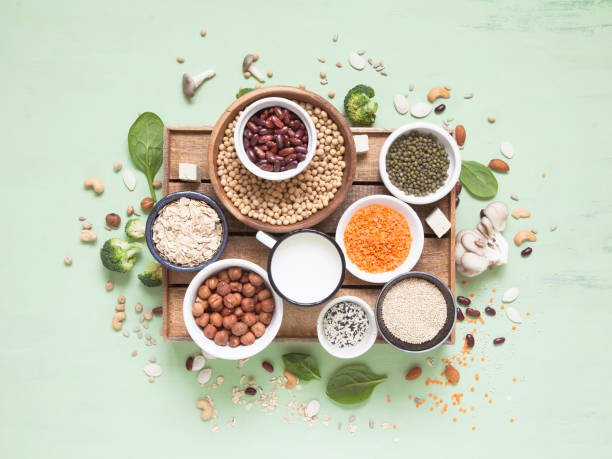

What Are the Best Protein Sources for Vegans?
In this article, we delve into the realm of vegan nutrition to explore one of the most fundamental aspects of a plant-based diet: protein sources. As more individuals embrace veganism for health, ethical, or environmental reasons, understanding how to obtain adequate protein becomes paramount. Contrary to the misconception that plant-based diets lack sufficient protein, there exists a plethora of nutritious and delicious alternatives for vegans to meet their protein needs.
Firstly, we will examine the importance of protein in the vegan diet and debunk common myths surrounding its availability. Then, we will explore a diverse array of the best protein sources for vegans, ranging from legumes, nuts, seeds, and grains to innovative plant-based meat substitutes. By shedding light on these protein-rich options, we aim to equip vegans with the knowledge needed to maintain a balanced and thriving plant-based lifestyle.
Importance of Protein in Vegan Diet
Protein constitutes an indispensable component of a vegan diet, serving as the cornerstone for numerous physiological functions within the human body. From facilitating muscle repair and growth to supporting immune function and hormone production, protein plays an irreplaceable role in sustaining overall health and vitality. In the context of a vegan lifestyle, where animal-derived protein sources are eschewed, understanding the significance of protein becomes even more critical to ensure adequate nutrient intake and prevent potential deficiencies. By recognizing the importance of protein and incorporating a diverse array of plant-based protein sources, individuals can effectively meet their dietary requirements and thrive on a vegan diet.
One of the primary roles of protein in the vegan diet is its contribution to muscle maintenance and repair. Engaging in physical activity, whether it be resistance training, endurance exercises, or even daily activities, induces microscopic damage to muscle fibers. Protein acts as the primary macronutrient responsible for repairing and rebuilding these damaged fibers, promoting muscle growth, strength, and recovery. For vegan athletes or individuals leading active lifestyles, prioritizing protein intake becomes paramount to support optimal performance and enhance exercise-induced adaptations. By consuming protein-rich plant foods such as beans, lentils, tofu, and tempeh, vegans can provide their muscles with the necessary amino acids to thrive and excel in their fitness endeavors.

Moreover, protein plays a crucial role in supporting satiety and regulating appetite, which can be particularly advantageous for individuals seeking weight management or adhering to a calorie-controlled diet. Unlike carbohydrates and fats, which are relatively quick to digest and metabolize, protein requires more energy and time for digestion, leading to a prolonged feeling of fullness and satisfaction after meals. By incorporating protein-rich foods into their meals and snacks, vegans can effectively curb cravings, reduce snacking frequency, and maintain stable blood sugar levels throughout the day. This not only aids in weight maintenance or loss but also fosters a balanced approach to eating, emphasizing whole, nutrient-dense foods that promote long-term health and well-being.
Debunking Myths About Protein Availability in Plants
In recent years, there has been a prevailing misconception that plant-based diets lack sufficient protein and may consequently lead to deficiencies in essential nutrients. However, this notion is largely unfounded, as numerous studies have demonstrated the ample availability of protein in a diverse range of plant foods. Contrary to popular belief, plants contain all the essential amino acids necessary for human health, and by combining various plant-based sources, individuals can easily meet their protein requirements. Debunking myths surrounding protein availability in plants is crucial in promoting the adoption of vegan diets and dispelling misconceptions that may deter individuals from embracing plant-based lifestyles.
One common myth regarding plant-based protein is that it is inferior in quality compared to animal-derived protein. While it is true that certain plant foods may have lower concentrations of certain amino acids, such as lysine or methionine, this can be easily addressed through dietary variety and strategic food combinations. By incorporating a diverse array of plant-based protein sources into their meals, individuals can ensure they receive all essential amino acids in adequate amounts. Furthermore, research has shown that plant-based protein sources can be just as effective as animal protein in promoting muscle protein synthesis and supporting muscle growth and repair, debunking the misconception that plant proteins are inherently inferior.

Another prevalent myth is that plant-based diets are inadequate for athletes or individuals with high protein requirements. However, numerous vegan athletes and bodybuilders have demonstrated that it is entirely possible to meet elevated protein needs through plant-based foods alone. Plant-based protein sources such as legumes, tofu, tempeh, seitan, and plant-based protein powders offer ample protein content and can
be incorporated into pre- and post-workout meals to support exercise performance and recovery. By showcasing the effectiveness of plant-based diets in meeting the protein needs of athletes and active individuals, we can challenge the misconception that animal products are necessary for achieving optimal athletic performance and muscle development.
Exploration of Protein-Rich Legumes
Legumes, encompassing a diverse group of plants such as beans, lentils, chickpeas, and peas, represent a cornerstone of plant-based protein sources. Renowned for their exceptional protein content, legumes offer a wealth of nutritional benefits and culinary versatility. Beans, for instance, are celebrated for their high protein content, with varieties such as black beans, kidney beans, and navy beans providing approximately 15 grams of protein per cooked cup. Similarly, lentils boast an impressive protein-to-carbohydrate ratio, making them a staple in many vegan dishes, from soups and stews to salads and curries.
Moreover, legumes are not only rich in protein but also brimming with dietary fiber, vitamins, minerals, and antioxidants. This nutritional profile confers numerous health benefits, including improved digestive health, reduced risk of chronic diseases such as heart disease and diabetes, and enhanced satiety. Additionally, legumes are a cost-effective and sustainable protein source, making them accessible to individuals of all socioeconomic backgrounds and environmentally conscious consumers. By incorporating legumes into their diets, vegans can enjoy a nutrient-dense and environmentally friendly protein source that promotes both personal and planetary health.

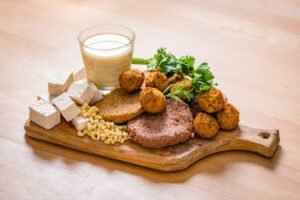
Furthermore, the culinary versatility of legumes lends itself to a myriad of delicious and satisfying dishes that cater to various tastes and preferences. Whether used as the main ingredient in savory dishes like bean burgers, falafel, or dals, or incorporated as a nutritious addition to salads, wraps, and grain bowls, legumes offer endless possibilities for creative and nourishing plant-based meals. Additionally, legume-based products such as tofu, tempeh, and edamame provide convenient alternatives to traditional meat and dairy products, allowing vegans to enjoy familiar flavors and textures while benefiting from the nutritional advantages of plant-based proteins. Overall, the exploration of protein-rich legumes opens up a world of culinary delights and nutritional benefits for vegans seeking to diversify their diets and optimize their protein intake.
Nutritious Options from Nuts and Seeds
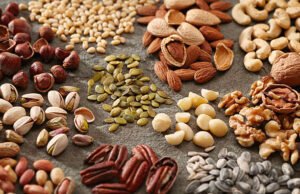
Nuts and seeds are nutritional powerhouses that offer an abundance of protein, healthy fats, vitamins, minerals, and antioxidants. These plant-based sources provide a convenient and versatile way for vegans to incorporate protein into their diets while enjoying a variety of flavors and textures. Almonds, for example, are rich in protein, with approximately 6 grams per ounce, along with heart-healthy fats, fiber, vitamin E, and magnesium. Similarly, pumpkin seeds are packed with protein, containing about 7 grams per ounce, as well as iron, zinc, and omega-3 fatty acids.
Additionally, nuts and seeds offer numerous health benefits beyond their protein content. Consuming a diet rich in nuts has been associated with reduced risk factors for heart disease, such as lower LDL cholesterol levels and improved endothelial function. Likewise, seeds like chia seeds and flaxseeds are renowned for their omega-3 fatty acid content, which supports brain health, reduces inflammation, and may lower the risk of chronic diseases. By incorporating a variety of nuts and seeds into their meals and snacks, vegans can enhance the nutritional quality of their diet while promoting overall health and well-being.
Moreover, nuts and seeds add depth of flavor, texture, and crunch to a wide range of dishes, from salads and stir-fries to smoothie bowls and baked goods. They can be enjoyed as a standalone snack, sprinkled on top of yogurt or oatmeal, or blended into creamy nut butters and seed-based dressings. Additionally, nut and seed flours provide gluten-free alternatives for baking, allowing vegans to create delicious treats like almond flour pancakes or pumpkin seed bread. With their versatility and nutrient density, nuts and seeds offer endless possibilities for culinary creativity and nutritional enhancement in the vegan diet.
Incorporating Grains for Protein Diversity
Grains, such as quinoa, amaranth, brown rice, and oats, offer another valuable source of protein for vegans, contributing to a diverse and balanced plant-based diet. While grains are often associated with carbohydrates, many varieties also contain notable amounts of protein, making them an essential component of vegan meals. Quinoa, for instance, is a complete protein, containing all nine essential amino acids, along with fiber, iron, magnesium, and manganese. Similarly, amaranth provides a high-quality protein source, along with calcium, potassium, and phosphorus.
Furthermore, whole grains offer numerous health benefits beyond their protein content. Consuming whole grains has been linked to a reduced risk of chronic diseases such as heart disease, diabetes, and certain cancers. The fiber found in whole grains promotes digestive health, regulates blood sugar levels, and supports weight management by increasing feelings of fullness and satiety. Additionally, whole grains are rich in vitamins, minerals, and antioxidants, which play key roles in maintaining overall health and vitality. By incorporating a variety of grains into their diet, vegans can enjoy a nutrient-dense and flavorful source of protein while reaping the numerous health benefits associated with whole grains.
Moreover, grains serve as a versatile foundation for a wide range of savory and sweet dishes, offering endless possibilities for culinary exploration and creativity. From hearty grain bowls and pilafs to comforting porridges and baked goods, grains can be adapted to suit various tastes and preferences. Additionally, whole grain flours provide nutritious alternatives for baking, allowing vegans to create wholesome treats like whole wheat bread, spelt muffins, and oatmeal cookies. With their versatility, nutritional value, and culinary appeal, grains are an essential component of a balanced and protein-rich vegan diet.
Innovative Plant-Based Meat Substitutes for Protein Boost
In recent years, the market for plant-based meat substitutes has experienced significant growth, offering vegans a wide array of innovative options to boost their protein intake. These products, often made from ingredients like soy, pea protein, wheat gluten, and mushrooms, mimic the taste, texture, and appearance of traditional animal-based meats, providing a convenient and satisfying alternative for those seeking to reduce or eliminate their consumption of animal products. Plant-based burgers, sausages, nuggets, and meatballs are just a few examples of the diverse range of meat substitutes available to vegans today.
Plant-based meat substitutes not only offer a comparable protein content to their animal counterparts but also provide additional health benefits. Unlike conventional meat, which may contain cholesterol, saturated fats, and added hormones or antibiotics, plant-based alternatives are cholesterol-free and lower in saturated fat, making them heart-healthy choices. Additionally, many plant-based meat substitutes are fortified with vitamins and minerals, such as vitamin B12, iron, and zinc, addressing common nutrient concerns for vegans. By incorporating these innovative products into their diet, vegans can enjoy the flavors and textures of meat while supporting their health and ethical values.
Furthermore, plant-based meat substitutes contribute to sustainability and environmental conservation by reducing the ecological footprint associated with animal agriculture. Producing plant-based meats requires significantly fewer resources, including land, water, and energy, and generates fewer greenhouse gas emissions compared to raising livestock. Additionally, the cultivation of plant-based ingredients for meat substitutes can promote biodiversity and mitigate habitat destruction associated with animal farming. By choosing plant-based meat substitutes over conventional meat products, vegans can align their dietary choices with environmental stewardship and contribute to a more sustainable food system for future generations.
Exploring Protein-Rich Dairy Alternatives for Vegans
Dairy alternatives offer another avenue for vegans to incorporate protein into their diets while also satisfying cravings for traditional dairy products. Plant-based milk alternatives, such as almond milk, soy milk, and oat milk, are often fortified with additional nutrients, including calcium, vitamin D, and vitamin B12, making them nutritionally comparable to cow’s milk. These dairy alternatives typically contain varying amounts of protein, with soy milk leading the pack with approximately 7-8 grams of protein per serving. Additionally, fortified plant-based yogurts and cheeses provide protein-rich options for vegans seeking to replicate the taste and texture of dairy products in their meals and snacks.
Furthermore, dairy alternatives offer numerous health benefits beyond their protein content. Unlike cow’s milk, which can be difficult for some individuals to digest due to lactose intolerance or milk protein allergies, plant-based alternatives are naturally lactose-free and suitable for individuals with dietary restrictions or sensitivities. Additionally, plant-based milk alternatives are lower in saturated fat and cholesterol compared to cow’s milk, making them heart-healthy choices for those looking to reduce their intake of animal fats. By incorporating dairy alternatives into their diet, vegans can enjoy the creamy texture and familiar flavors of dairy products while supporting their health and ethical values.
Moreover, the growing availability of dairy alternatives in supermarkets and cafes reflects a shift towards more inclusive and sustainable food choices. With an increasing number of consumers opting for plant-based options for health, environmental, and ethical reasons, food manufacturers and retailers have responded by expanding their offerings of dairy-free products. This trend not only benefits vegans but also provides greater choice and accessibility for individuals seeking to reduce their consumption of animal products or those with dietary restrictions. By exploring protein-rich dairy alternatives, vegans can enjoy a diverse and satisfying range of plant-based options that promote both personal and planetary health.
Conclusion
In conclusion, the significance of protein in a vegan diet cannot be overstated. Throughout this exploration of various protein sources, from legumes and nuts to grains and innovative plant-based meat substitutes, it becomes evident that vegans have plentiful options to ensure adequate protein intake. Debunking myths surrounding plant-based protein availability highlights the accessibility and nutritional richness of vegan-friendly foods. Moreover, incorporating diverse protein sources not only supports muscle maintenance and overall health but also contributes to environmental sustainability by reducing reliance on animal agriculture.
In embracing a balanced approach to plant-based eating, individuals can thrive on a vegan diet while enjoying a wide array of flavorful and nutrient-dense foods. As awareness of the benefits of veganism continues to grow, so too does the availability and innovation of protein-rich alternatives. I hope this exploration encourages individuals to explore the diverse world of plant-based proteins and discover the delicious possibilities that await on their journey towards a healthier and more sustainable lifestyle.