What are the best strategies for rescuing monkeys trapped in urban areas?
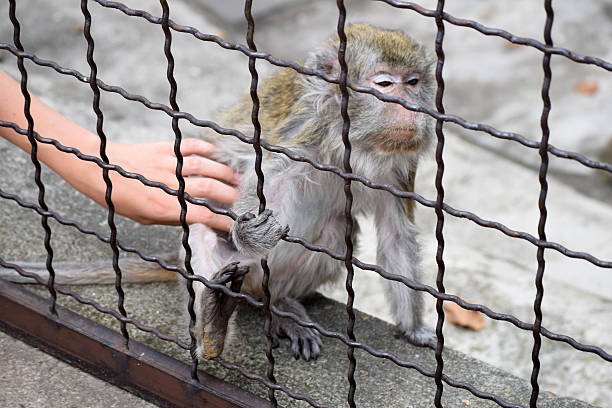

What are the best strategies for rescuing monkeys trapped in urban areas?
In this article, we delve into the pressing issue of rescuing monkeys trapped in urban areas, a challenge increasingly prevalent due to habitat loss and human encroachment into wildlife territories. With urbanization expanding globally, encounters between humans and wildlife, including monkeys, have become more frequent, often resulting in distressing situations where these animals find themselves trapped or in danger.
Effective strategies for rescuing trapped monkeys require a multifaceted approach that considers both the welfare of the animals and the safety of humans involved in the rescue operation. Firstly, understanding the behavior and habitat preferences of the specific monkey species is crucial for devising successful rescue plans. Additionally, collaboration between wildlife experts, local authorities, and animal welfare organizations is essential to ensure coordinated efforts and resources for rescuing and relocating the monkeys to safer environments. By exploring and implementing such strategies, we aim to mitigate the plight of trapped monkeys and foster coexistence between humans and wildlife in urban settings.
Assessing Monkey Species and Behavior in Urban Context
Understanding the specific species of monkeys present in urban areas is essential for developing effective rescue strategies. Different species may have varying behaviors, dietary needs, and habitat preferences, all of which influence the approach to rescuing them. For instance, some species, like macaques, may adapt well to urban environments and exhibit opportunistic behaviors, while others, like langurs, may struggle due to their specialized diet and preference for forested habitats. By identifying the species involved, rescuers can tailor their efforts to meet the unique needs of each group, increasing the likelihood of successful outcomes.
Moreover, assessing the behavior of urban-dwelling monkeys is crucial for ensuring the safety of both the animals and the rescuers. Urban environments present numerous hazards, such as traffic, human infrastructure, and unfamiliar stimuli, which can stress or agitate trapped monkeys. By observing their behavior, rescuers can anticipate reactions to rescue attempts and plan accordingly to minimize risks. Additionally, understanding how monkeys interact with their urban surroundings can provide insights into the factors contributing to their entrapment, guiding efforts to address root causes and prevent future incidents.

Furthermore, assessing the population dynamics of urban monkey groups is vital for developing sustainable rescue and management strategies. Urban environments often impose constraints on monkey populations, such as limited food sources and fragmented habitats, which can lead to conflicts with humans and among monkey groups. By monitoring population size, composition, and distribution, rescuers can identify areas of high risk for monkey entrapment and prioritize interventions accordingly. Additionally, long-term monitoring enables rescuers to track the effectiveness of rescue efforts and adapt strategies as needed to ensure the well-being of urban monkey populations.
Coordinate with Wildlife Experts and Local Authorities for Support
Collaboration between wildlife experts and local authorities is paramount for executing successful monkey rescue operations in urban areas. Wildlife experts bring specialized knowledge and skills in primate behavior, ecology, and conservation, which are invaluable for devising effective rescue strategies. Their expertise can inform decision-making regarding trap placement, handling techniques, and post-rescue rehabilitation efforts. Moreover, wildlife experts can provide training and guidance to rescue teams, ensuring that interventions adhere to ethical and scientific standards while prioritizing the welfare of the monkeys.
Local authorities play a crucial role in facilitating and coordinating rescue efforts, as they often have jurisdiction over urban wildlife management and enforcement of relevant regulations. Engaging with local authorities ensures that rescue operations proceed smoothly and legally, with necessary permits obtained and safety protocols followed. Additionally, local authorities can provide logistical support, such as access to equipment, transportation, and personnel, which are essential for conducting large-scale rescue operations in urban environments. By fostering collaboration between wildlife experts and local authorities, rescue efforts can benefit from a combined wealth of knowledge, resources, and legal authority, maximizing the chances of successful outcomes for trapped monkeys.

Furthermore, coordination with relevant stakeholders, including government agencies, non-governmental organizations (NGOs), and community groups, enhances the effectiveness and sustainability of
monkey rescue initiatives. Government agencies may provide funding or regulatory support, while NGOs can contribute expertise in animal welfare, advocacy, and community outreach. Community groups, including residents and local businesses, can offer valuable insights into monkey behavior and facilitate communication with affected communities. By engaging stakeholders at various levels, rescue efforts can garner broader support and address complex challenges, such as human-wildlife conflicts and habitat degradation, in a holistic manner.
Develop Safe and Humane Trapping Methods
The development of safe and humane trapping methods is crucial for rescuing monkeys trapped in urban areas without causing harm to the animals or posing risks to humans. One effective approach involves using live-capture traps designed specifically for primates, which minimize stress and injury during the trapping process. These traps are typically equipped with mechanisms that securely contain the monkey once it enters the trap, without causing harm. Additionally, traps may be baited with food items that appeal to the trapped monkeys, increasing the likelihood of successful capture while reducing the need for sedation or forceful handling.
Furthermore, employing non-lethal deterrents and exclusion methods can help prevent monkeys from becoming trapped in the first place. Installing barriers, such as fences or netting, around areas where monkeys are likely to enter human settlements can deter them from accessing hazardous areas, such as roads or construction sites. Additionally, providing alternative food sources or implementing waste management strategies to reduce the availability of human-generated food scraps can discourage monkeys from venturing into urban areas in search of sustenance. By addressing underlying factors contributing to monkey entrapment, such as food scarcity or habitat loss, proactive measures can complement rescue efforts and mitigate future incidents.

Moreover, prioritizing the welfare of trapped monkeys during rescue operations entails minimizing stress and ensuring prompt and appropriate medical care for injured or distressed individuals. Trained personnel should handle trapped monkeys with care and compassion, employing techniques that reduce stress and avoid causing harm. Once rescued, monkeys should undergo thorough health assessments by veterinarians to identify any injuries or illnesses requiring treatment. Rehabilitation facilities equipped to care for rescued monkeys should provide adequate space, enrichment, and socialization opportunities to facilitate their recovery and eventual release back into suitable habitats. By prioritizing the safety and well-being of trapped monkeys throughout the rescue process, rescuers can ensure ethical and effective outcomes while fostering compassion and respect for wildlife in urban communities.
Implement Strategies for Relocation to Suitable Habitats
Implementing strategies for relocating trapped monkeys to suitable habitats is essential for their long-term well-being and conservation. Before relocation, thorough assessments of potential release sites are necessary to ensure they meet the ecological requirements of the monkeys, including access to food, water, shelter, and suitable social groupings. Habitats should also be free from significant human disturbances and potential sources of conflict, such as agricultural fields or urban development, to minimize the risk of re-entrapment or human-wildlife conflicts.
Furthermore, careful planning and coordination are required to execute successful relocation operations. Transportation methods should prioritize the safety and welfare of the monkeys, utilizing secure enclosures and minimizing travel distances to reduce stress. Additionally, monitoring and tracking techniques, such as radio collaring or GPS tagging, can help track the movements and behaviors of relocated monkeys post-release, providing valuable data on their adaptation and survival in their new environment. Regular follow-up assessments by wildlife experts ensure that relocated monkeys are thriving and integrating into their new habitats effectively.

Moreover, community engagement and education initiatives are essential for promoting coexistence and garnering support for monkey relocation efforts. Local residents should be involved in decision-making processes regarding release sites and informed about the importance of preserving natural habitats and minimizing human-wildlife conflicts. Public outreach programs can raise awareness about the ecological significance of monkeys and the importance of protecting their habitats, fostering a sense of stewardship and responsibility among community members. By fostering positive attitudes and behaviors towards monkeys and their habitats, relocation efforts can contribute to long-term conservation goals and promote harmony between humans and wildlife in urban landscapes.
Educate Communities on Coexistence and Prevention Measures
Educating communities on coexistence and prevention measures is crucial for fostering understanding and minimizing conflicts between humans and monkeys in urban areas. Community outreach programs should provide information on the behavior, ecology, and conservation status of local monkey species, helping residents develop empathy and appreciation for these animals. By raising awareness about the importance of coexisting with wildlife, communities can become active participants in conservation efforts and advocate for policies that protect both humans and monkeys.
Furthermore, providing practical guidance on preventive measures can help communities mitigate the risks of monkey entrapment and human-wildlife conflicts. Strategies may include securing garbage bins, covering food waste, and removing attractants such as fruit trees or bird feeders from areas frequented by monkeys. Additionally, implementing habitat restoration initiatives, such as planting native vegetation or creating green corridors, can enhance natural habitats for monkeys and reduce their dependence on urban environments. By empowering communities to take proactive steps to prevent conflicts, education programs contribute to long-term solutions for human-wildlife coexistence.
Moreover, fostering dialogue and collaboration among stakeholders is essential for developing comprehensive strategies that address the complex challenges of urban monkey management. Community workshops, forums, and citizen science initiatives provide platforms for residents, wildlife experts, and local authorities to share knowledge, exchange ideas, and collectively develop solutions. By facilitating open communication and cooperation, education programs build trust and consensus among stakeholders, laying the foundation for sustainable coexistence between humans and monkeys in urban landscapes.
Monitor Released Monkeys for Successful Adaptation and Safety
After the relocation of trapped monkeys to suitable habitats, ongoing monitoring is essential to ensure their successful adaptation and safety in their new environment. Monitoring efforts should include regular assessments of behavior, health, and habitat use to evaluate the effectiveness of the relocation and identify any challenges or issues that may arise. By closely monitoring released monkeys, wildlife experts can gather valuable data on their survival rates, movement patterns, and interactions with other wildlife, informing future conservation strategies and management decisions.
Furthermore, employing tracking technologies, such as radio telemetry or GPS collars, allows for real-time monitoring of released monkeys’ movements and behaviors. Tracking data provides insights into habitat preferences, resource utilization, and potential threats, enabling wildlife managers to identify areas of conservation concern and implement targeted interventions as needed. Additionally, tracking individual monkeys facilitates the detection of any individuals that may require additional support or intervention, such as medical treatment or relocation due to conflicts with humans or other wildlife.
Moreover, engaging local communities in monitoring efforts can enhance the effectiveness and sustainability of post-release monitoring initiatives. Citizen science programs, community-based monitoring teams, and outreach activities empower residents to contribute valuable observations and data on released monkeys’ activities and whereabouts. By involving local stakeholders in monitoring efforts, wildlife managers foster a sense of ownership and responsibility for the well-being of released monkeys, building support for ongoing conservation efforts and promoting coexistence between humans and wildlife in urban areas.
Conclusion
In conclusion, rescuing monkeys trapped in urban areas requires a multifaceted approach that encompasses species assessment, coordination with experts and authorities, humane trapping methods, relocation strategies, community education, and post-release monitoring. By understanding the unique needs and behaviors of urban-dwelling monkeys, implementing safe and effective rescue techniques, and fostering coexistence between humans and wildlife, we can mitigate the impacts of urbanization on primate populations and promote harmonious living environments for both species.
I hope that the insights shared in this article serve as a call to action for stakeholders at all levels to prioritize the welfare and conservation of urban monkeys. Through collaborative efforts and a commitment to sustainable practices, we can create a future where humans and monkeys coexist peacefully, ensuring the protection of biodiversity and the preservation of our shared urban landscapes.