Are there effective ways to rehabilitate monkeys rescued from illegal pet trade?
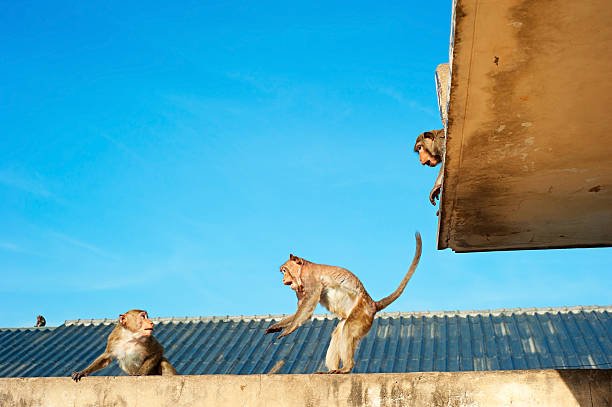

Are there effective ways to rehabilitate monkeys rescued from illegal pet trade?
In this article, we delve into the critical issue of rehabilitating monkeys rescued from the illegal pet trade. As awareness of wildlife trafficking grows, so does the need for effective strategies to rehabilitate and reintegrate these animals into their natural habitats. The illegal pet trade poses a significant threat to primate populations worldwide, disrupting ecosystems and endangering species.
Rehabilitation efforts for rescued monkeys must address both physical and psychological aspects. Physical rehabilitation involves providing proper nutrition, medical care, and habitat enrichment to ensure the monkeys regain strength and adaptability. Equally important is addressing the psychological trauma caused by captivity, which often requires specialized care and long-term support. By exploring innovative approaches and successful case studies, we can gain insights into effective methods for rehabilitating monkeys and mitigating the harmful effects of the illegal pet trade on primate populations.
Assessing Physical Health and Nutritional Needs Upon Rescue
Upon rescuing monkeys from the illegal pet trade, the first step is to assess their physical health and nutritional status. This involves thorough veterinary examinations to identify any injuries, illnesses, or malnutrition. Monkeys often suffer from various health issues due to improper care, inadequate diets, and stressful living conditions while being held as pets. Veterinary professionals conduct comprehensive evaluations to diagnose and treat any immediate medical concerns, such as wounds, infections, or parasites. Additionally, they assess the overall body condition and weight of the monkeys to determine their nutritional needs.

Following the initial assessment, caregivers develop customized dietary plans tailored to the specific needs of each rescued monkey. This may involve providing a balanced diet consisting of fruits, vegetables, nuts, seeds, and protein sources such as insects or supplemental feeds. Nutritional requirements vary depending on factors such as species, age, health status, and individual preferences. Caregivers closely monitor the monkeys’ eating habits and adjust the diet as needed to ensure proper nutrition and healthy weight gain. In some cases, specialized diets or nutritional supplements may be necessary to address deficiencies or support recovery from health issues.
In addition to addressing immediate health concerns, rehabilitation centers focus on promoting overall well-being through preventive care and wellness programs. This includes regular health check-ups, vaccinations, and parasite control measures to prevent future illnesses. Caregivers also provide opportunities for physical exercise and mental stimulation to keep the monkeys active and engaged. By prioritizing the physical health and nutritional needs of rescued monkeys, rehabilitation efforts lay the foundation for their successful recovery and eventual reintroduction into the wild.
Implementing Habitat Enrichment to Facilitate Natural Behaviors
Once the physical health and nutritional needs of rescued monkeys are addressed, the focus shifts to providing them with environments that stimulate their natural behaviors. This involves implementing habitat enrichment strategies designed to mimic the complexity of their natural habitats and encourage species-specific behaviors. Enrichment can take various forms, including the introduction of natural materials such as branches, logs, and rocks to create climbing structures and foraging opportunities. Additionally, caregivers may incorporate puzzle feeders, scent trails, and toys to promote cognitive stimulation and problem-solving skills.
Furthermore, rehabilitation centers often utilize social enrichment techniques to encourage natural social interactions among rescued monkeys. This may involve grouping compatible individuals together in social units or introducing them to surrogate caregivers or conspecifics to foster social bonds. Providing opportunities for socialization helps alleviate loneliness and boredom, which are common challenges faced by animals rescued from the illegal pet trade. By promoting natural behaviors and social interactions, habitat enrichment enhances the psychological well-being of rescued monkeys and prepares them for eventual release into the wild.

Moreover, caregivers continually assess and adapt enrichment strategies based on the individual needs and preferences of the monkeys. Observation and behavioral monitoring play crucial roles in identifying which enrichment activities are most effective and engaging for the animals. Caregivers may rotate enrichment items regularly to prevent habituation and maintain novelty. Additionally, they collaborate with experts in primatology and animal behavior to develop innovative enrichment techniques that encourage species-typical behaviors and address specific challenges faced by rescued monkeys. Through ongoing enrichment efforts, rehabilitation centers strive to create environments that support the physical, mental, and emotional health of monkeys on their journey to rehabilitation and eventual release.
Providing Veterinary Care for Injuries and Illnesses
In addition to assessing the physical health of rescued monkeys upon arrival, providing veterinary care for any injuries and illnesses is paramount. Many monkeys rescued from the illegal pet trade suffer from a range of health issues, including wounds, infections, and diseases, as a result of neglect and mistreatment. Veterinary professionals conduct thorough examinations to diagnose and treat these medical conditions promptly. This may involve administering medications, performing surgical procedures, or providing supportive care to alleviate pain and promote healing.
Moreover, rehabilitation centers often establish quarantine protocols to prevent the spread of infectious diseases among rescued monkeys. New arrivals undergo quarantine periods during which they receive regular health screenings and vaccinations. This helps identify and address any potential health threats before introducing the monkeys to the broader population. Additionally, caregivers implement biosecurity measures to maintain a clean and safe environment, reducing the risk of disease transmission within the facility.

Furthermore, ongoing veterinary care is essential throughout the rehabilitation process to monitor the health and well-being of the monkeys. Regular check-ups and preventive treatments, such as deworming and parasite control, help prevent the recurrence of health issues and ensure the monkeys remain in optimal condition. Additionally, veterinarians collaborate closely with caregivers and behaviorists to address any medical concerns that may impact the monkeys’ rehabilitation progress. By prioritizing veterinary care, rehabilitation centers strive to provide rescued monkeys with the best possible chance of recovery and successful reintroduction into their natural habitats.
Addressing Psychological Trauma Through Specialized Interventions
Rescued monkeys often experience psychological trauma as a result of their captivity in the illegal pet trade. To address these emotional scars, rehabilitation centers implement specialized interventions aimed at promoting psychological well-being and facilitating emotional recovery. One approach involves creating environments that foster a sense of security and safety, helping monkeys rebuild trust and confidence in their surroundings. This may include providing secluded spaces, natural hiding spots, and quiet areas where monkeys can retreat and feel protected.
Furthermore, caregivers employ behavioral modification techniques to help rescued monkeys overcome fear, anxiety, and other emotional challenges. Positive reinforcement training, for example, encourages desired behaviors through rewards such as food, praise, or enrichment items. This not only builds trust between caregivers and monkeys but also empowers the animals to make choices and gain a sense of control over their environment. Additionally, desensitization and counterconditioning methods help monkeys gradually acclimate to stimuli that trigger fear or stress, allowing them to overcome phobias and anxieties over time.
Moreover, social support plays a crucial role in helping monkeys heal from psychological trauma. Rehabilitation centers facilitate social interactions among rescued monkeys, allowing them to form bonds and establish social hierarchies similar to those found in the wild. Peer companionship provides emotional comfort and reassurance, reducing feelings of loneliness and isolation. In cases where individual monkeys exhibit severe psychological distress, specialized behavioral therapy sessions may be conducted under the guidance of experienced animal behaviorists. Through these interventions, rehabilitation centers strive to address the psychological needs of rescued monkeys and promote their emotional well-being as they prepare for eventual release into their natural habitats.
Addressing Psychological Trauma Through Specialized Interventions
Rescued monkeys often experience psychological trauma as a result of their captivity in the illegal pet trade. To address these emotional scars, rehabilitation centers implement specialized interventions aimed at promoting psychological well-being and facilitating emotional recovery. One approach involves creating environments that foster a sense of security and safety, helping monkeys rebuild trust and confidence in their surroundings. This may include providing secluded spaces, natural hiding spots, and quiet areas where monkeys can retreat and feel protected.
Furthermore, caregivers employ behavioral modification techniques to help rescued monkeys overcome fear, anxiety, and other emotional challenges. Positive reinforcement training, for example, encourages desired behaviors through rewards such as food, praise, or enrichment items. This not only builds trust between caregivers and monkeys but also empowers the animals to make choices and gain a sense of control over their environment. Additionally, desensitization and counterconditioning methods help monkeys gradually acclimate to stimuli that trigger fear or stress, allowing them to overcome phobias and anxieties over time.
Moreover, social support plays a crucial role in helping monkeys heal from psychological trauma. Rehabilitation centers facilitate social interactions among rescued monkeys, allowing them to form bonds and establish social hierarchies similar to those found in the wild. Peer companionship provides emotional comfort and reassurance, reducing feelings of loneliness and isolation. In cases where individual monkeys exhibit severe psychological distress, specialized behavioral therapy sessions may be conducted under the guidance of experienced animal behaviorists. Through these interventions, rehabilitation centers strive to address the psychological needs of rescued monkeys and promote their emotional well-being as they prepare for eventual release into their natural habitats.
Gradual Reintroduction to Wild Environments with Monitoring and Support
Once rescued monkeys have undergone rehabilitation and are deemed ready for release, the next step is to reintroduce them to their natural habitats. This process involves careful planning, gradual acclimatization, and ongoing monitoring to ensure the success of the reintroduction efforts. Rehabilitation centers collaborate with conservation organizations and wildlife experts to develop reintroduction strategies tailored to the specific needs and circumstances of the monkeys.
Initially, monkeys undergo a period of pre-release training to prepare them for life in the wild. This may include learning essential survival skills such as foraging for food, identifying predators, and avoiding potential threats. Monkeys are also introduced to naturalistic environments within the rehabilitation center’s facilities, allowing them to practice climbing, swinging, and other behaviors necessary for survival in their native habitats.
Following the completion of pre-release training, monkeys are gradually reintroduced to wild environments through a process known as soft-release. This involves releasing them into protected areas where they can acclimate to their surroundings while still receiving supplemental food and monitoring from caregivers. As the monkeys become more confident and self-sufficient, supplementary feeding is gradually reduced, allowing them to transition to a fully wild diet.
Throughout the reintroduction process, rehabilitation centers employ various monitoring techniques to track the progress and well-being of released monkeys. This may include radio telemetry tracking, camera traps, and field observations by trained researchers. Regular monitoring allows caregivers to assess the monkeys’ behavior, health, and adaptation to their new environment. In cases where additional support is needed, such as providing medical treatment for injuries or illnesses, caregivers intervene accordingly to ensure the success of the reintroduction effort.
By implementing gradual reintroduction strategies with careful monitoring and support, rehabilitation centers aim to give rescued monkeys the best chance of survival and successful integration into their natural habitats.
Collaborating with Local Communities for Long-term Conservation Efforts
In addition to rehabilitating rescued monkeys, it is crucial to engage with local communities to address the underlying causes of the illegal pet trade and promote long-term conservation efforts. Rehabilitation centers work closely with community leaders, government agencies, and non-profit organizations to raise awareness about the importance of protecting wildlife and preserving natural habitats. This involves educational outreach programs, workshops, and community events aimed at fostering a greater appreciation for the value of biodiversity and the need to conserve threatened species.
Furthermore, collaboration with local communities helps identify sustainable livelihood alternatives that reduce reliance on activities such as wildlife trafficking. By providing training and resources for eco-tourism, sustainable agriculture, and other environmentally-friendly initiatives, rehabilitation centers empower communities to generate income in ways that are compatible with conservation goals. This not only reduces the demand for illegally captured wildlife but also contributes to the economic development and well-being of local residents.
Moreover, involving local communities in conservation efforts fosters a sense of ownership and stewardship over natural resources. By actively engaging community members in wildlife monitoring, habitat restoration, and anti-poaching patrols, rehabilitation centers enlist their support as allies in the fight against illegal wildlife trade. This collaborative approach encourages mutual respect and cooperation between conservationists and local stakeholders, leading to more effective conservation outcomes in the long run.
Through collaborative efforts with local communities, rehabilitation centers can help create a sustainable future where rescued monkeys and other wildlife species thrive in their natural habitats. By addressing the root causes of the illegal pet trade and promoting environmental stewardship, these partnerships play a vital role in safeguarding biodiversity and ensuring the well-being of both people and animals.
Conclusion
In conclusion, the rehabilitation of monkeys rescued from the illegal pet trade requires a multifaceted approach that addresses their physical, psychological, and social needs. By assessing their health, providing appropriate veterinary care, and implementing habitat enrichment, we can create environments that support their recovery and prepare them for eventual release into the wild. Additionally, collaboration with local communities is essential for long-term conservation efforts, as it helps address the underlying drivers of wildlife trafficking and promotes sustainable coexistence between humans and wildlife.
I hope that through continued dedication to rehabilitation and conservation efforts, we can make significant strides in protecting monkeys and other wildlife from the harmful impacts of the illegal pet trade. By working together to address the root causes of this problem and fostering a greater appreciation for the importance of biodiversity, we can create a more sustainable future where both humans and animals thrive in harmony with nature.