Where can I volunteer for monkey rescue missions abroad?
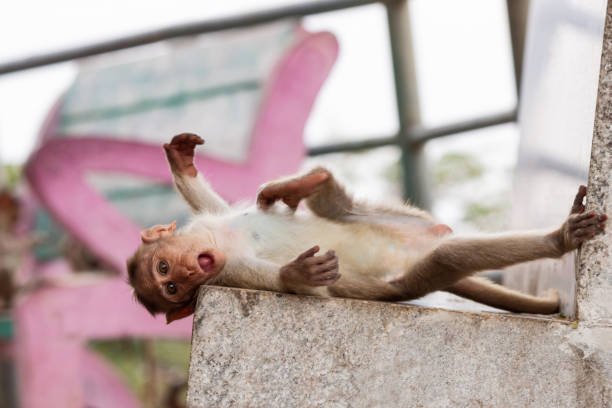

Where can I volunteer for monkey rescue missions abroad?
In this article, we delve into the noble pursuit of volunteering for monkey rescue missions abroad. As our planet faces increasing threats to wildlife habitats and populations, the need for compassionate intervention grows ever more urgent. Many species of monkeys are endangered or at risk due to deforestation, poaching, and other human activities. Consequently, dedicated individuals from around the globe are stepping forward to lend their time, skills, and hearts to the cause of primate conservation.
Volunteering for monkey rescue missions abroad offers a unique opportunity to directly contribute to the welfare and survival of these intelligent and fascinating creatures. Whether you’re passionate about environmental conservation, animal welfare, or simply seeking a meaningful way to make a positive impact, there are various organizations and projects worldwide where you can volunteer your time and energy to help protect and rehabilitate monkeys in need.
Researching Reputable Organizations for Monkey Rescue Missions
When embarking on a journey to volunteer for monkey rescue missions abroad, the first crucial step is thorough research into reputable organizations dedicated to primate conservation. Begin by utilizing online resources such as conservation directories, forums, and social media platforms to identify organizations actively involved in monkey rescue efforts. Look for organizations with a proven track record of successful projects, transparent financial practices, and positive reviews from volunteers and beneficiaries alike.
Once you’ve compiled a list of potential organizations, delve deeper into their mission statements, values, and approaches to wildlife conservation. Consider factors such as the organization’s focus on habitat preservation, anti-poaching initiatives, and community engagement. Look for evidence of partnerships with local communities, governments, and other conservation organizations, as collaboration is often key to the success of large-scale rescue and rehabilitation projects. Additionally, assess the organization’s commitment to ethical treatment of animals, ensuring that rescued monkeys are provided with proper care, rehabilitation, and, whenever possible, opportunities for release back into the wild.

After narrowing down your options, reach out to the organizations directly to inquire about volunteer opportunities. Request information regarding the specific roles and responsibilities involved in monkey rescue missions, as well as any prerequisites or training requirements for volunteers. Take the time to ask probing questions about the organization’s strategies for sustainability, long-term impact, and monitoring and evaluation of their projects. By conducting thorough research and due diligence, you can ensure that you align yourself with reputable organizations that are truly making a difference in the lives of monkeys and their habitats.
Considering Location, Travel Logistics, and Project Duration
When planning to volunteer for monkey rescue missions abroad, it’s essential to carefully consider the location, travel logistics, and project duration to ensure a smooth and fulfilling experience. Start by researching the geographical areas where monkey rescue projects are active, taking into account factors such as climate, terrain, and accessibility. Consider your personal preferences and comfort level regarding travel destinations, as well as any language or cultural barriers you may encounter.
Once you’ve identified potential locations for volunteering, evaluate the travel logistics involved in reaching each destination. Look into transportation options, visa requirements, and any necessary vaccinations or medical precautions. Consider the cost and feasibility of travel, as well as the availability of accommodations and amenities in the area. If traveling to remote or rural locations, assess the level of infrastructure and support services available to volunteers.

In addition to location and travel logistics, carefully consider the duration of the volunteer project. Some organizations offer short-term opportunities lasting a few weeks or months, while others require longer commitments of six months to a year or more. Reflect on your availability, personal commitments, and goals for volunteering to determine the most suitable project duration for you. Keep in mind that longer-term commitments may offer deeper immersion in the work and greater opportunities for skill development and impact, but also require careful planning and consideration of other responsibilities. By carefully evaluating location, travel logistics, and project duration, you can ensure a rewarding and impactful experience as a volunteer for monkey rescue missions abroad.
Assessing Volunteer Requirements and Necessary Qualifications or Skills
Before embarking on a volunteer journey for monkey rescue missions abroad, it’s essential to thoroughly assess the volunteer requirements and necessary qualifications or skills. Start by reviewing the prerequisites outlined by the organizations you’re interested in volunteering with. These requirements may vary depending on the nature of the work involved, but commonly include factors such as age restrictions, physical fitness levels, and language proficiency.
Additionally, consider any specialized skills or experience that may be beneficial for volunteering in monkey rescue missions. For example, experience working with animals, particularly primates, may be advantageous, as well as knowledge of veterinary care, wildlife biology, or environmental conservation practices. However, don’t be discouraged if you lack specific qualifications or experience – many organizations offer training and support for volunteers, and a passion for wildlife conservation and willingness to learn are often valued just as highly as technical expertise.

Furthermore, assess your personal motivations and readiness for volunteering in monkey rescue missions abroad. Reflect on your strengths, limitations, and comfort level with potentially challenging or demanding situations. Consider how well you work in team environments, adapt to new cultures and environments, and cope with the emotional aspects of working with animals in need. By carefully assessing volunteer requirements and qualifications, you can ensure that you choose opportunities that align with your skills, interests, and personal capabilities, leading to a more fulfilling and impactful volunteer experience.
Exploring Opportunities for Hands-On Involvement in Rescue and Rehabilitation
One of the most rewarding aspects of volunteering for monkey rescue missions abroad is the opportunity for hands-on involvement in rescue and rehabilitation efforts. Begin by researching organizations that offer direct involvement in fieldwork, such as rescuing injured or orphaned monkeys, providing medical care, and assisting with rehabilitation and release efforts. Look for projects that prioritize animal welfare and rehabilitation principles, emphasizing the importance of minimizing human interference and facilitating natural behaviors.
Once you’ve identified potential opportunities, inquire about the specific roles and responsibilities involved in hands-on rescue and rehabilitation work. Depending on the organization and project, tasks may include assisting with veterinary procedures, preparing food and enrichment activities for monkeys, monitoring behavior and health, and participating in release efforts. Be prepared for physically demanding work and potential challenges, such as working in remote or harsh environments and handling unpredictable wildlife.
Additionally, consider the potential long-term impact of your involvement in hands-on rescue and rehabilitation efforts. Reflect on how your contributions can support the overall mission of primate conservation and contribute to the welfare and survival of rescued monkeys. Take the opportunity to learn from experienced staff and volunteers, gaining valuable skills and insights into wildlife rescue and rehabilitation practices. By exploring opportunities for hands-on involvement, you can make a meaningful difference in the lives of monkeys and contribute to the broader goals of conservation and animal welfare.
### Understanding Ethical Considerations and Responsibilities in Monkey Rescue
Volunteering for monkey rescue missions abroad entails a deep understanding of the ethical considerations and responsibilities involved in working with wild animals. Begin by familiarizing yourself with ethical guidelines and principles established by reputable conservation organizations and governing bodies. These guidelines often emphasize the importance of prioritizing animal welfare, minimizing stress and harm to animals, and respecting their natural behaviors and habitats.
As you embark on your volunteer journey, consider the ethical implications of your actions and decisions in the context of monkey rescue and rehabilitation. Reflect on the potential consequences of human intervention in wildlife habitats, including the risks of habituation, disease transmission, and disruption of social structures. Strive to adopt a cautious and respectful approach to interacting with rescued monkeys, prioritizing their well-being above all else.
Furthermore, recognize the broader ethical responsibilities that come with volunteering for monkey rescue missions abroad. Consider the impact of your actions on local communities, ecosystems, and other wildlife species. Seek opportunities to engage with local stakeholders, collaborate with indigenous communities, and support sustainable conservation practices that benefit both humans and animals alike. By understanding and adhering to ethical considerations and responsibilities, you can ensure that your volunteer efforts contribute positively to the welfare and conservation of monkeys and their habitats.
Preparing Mentally and Physically for the Challenges of Volunteering Abroad
Preparing mentally and physically for volunteering in monkey rescue missions abroad is crucial for ensuring a successful and fulfilling experience. Begin by researching the environmental conditions and challenges you may encounter in the volunteer destination. This includes understanding the climate, terrain, and potential hazards such as insects, wildlife encounters, and disease risks. Mental preparation involves cultivating resilience, adaptability, and a positive mindset to navigate potential stressors and uncertainties.
Engage in physical training and preparation to ensure that you are adequately fit and capable of meeting the demands of volunteer work in monkey rescue missions. This may involve activities such as cardiovascular exercise, strength training, and flexibility exercises to enhance endurance, stamina, and mobility. Consider practicing skills relevant to volunteer tasks, such as carrying heavy loads, hiking in rugged terrain, and performing manual labor.
Moreover, take proactive steps to prioritize your mental well-being and self-care during your volunteer experience. This includes practicing stress-management techniques, such as mindfulness meditation, deep breathing exercises, and journaling, to cope with challenges and maintain emotional balance. Build a support network of fellow volunteers, staff members, and friends or family members back home to provide encouragement, advice, and solidarity throughout your journey. By preparing mentally and physically for the challenges of volunteering abroad, you can approach your experience with confidence, resilience, and a readiness to make a positive impact in monkey rescue missions.
Conclusion
In conclusion, volunteering for monkey rescue missions abroad is a noble endeavor that offers the opportunity to make a tangible difference in the lives of primates and contribute to the broader goals of conservation and animal welfare. By researching reputable organizations, assessing volunteer requirements, and understanding ethical considerations, volunteers can ensure that their efforts are directed towards meaningful and sustainable initiatives. Hands-on involvement in rescue and rehabilitation work allows volunteers to develop valuable skills, gain insights into wildlife conservation practices, and forge deep connections with rescued animals.
I hope this article has provided valuable insights into the various aspects of volunteering for monkey rescue missions abroad. With careful preparation, dedication, and a compassionate spirit, volunteers can embark on a rewarding journey to protect and rehabilitate monkeys in need, ultimately contributing to the preservation of our planet’s precious biodiversity.